
New Mexico Battles Dark Money in Data Center Lobbying Scandal
POLICY WIRE — Las Cruces, USA — When shadowy funds propel public debate, who truly benefits? That’s the gnawing conundrum now before New Mexico’s courts, as a state ethics watchdog zeros...

POLICY WIRE — Las Cruces, USA — When shadowy funds propel public debate, who truly benefits? That’s the gnawing conundrum now before New Mexico’s courts, as a state ethics watchdog zeros in on undisclosed spending behind a rather controversial data center project.
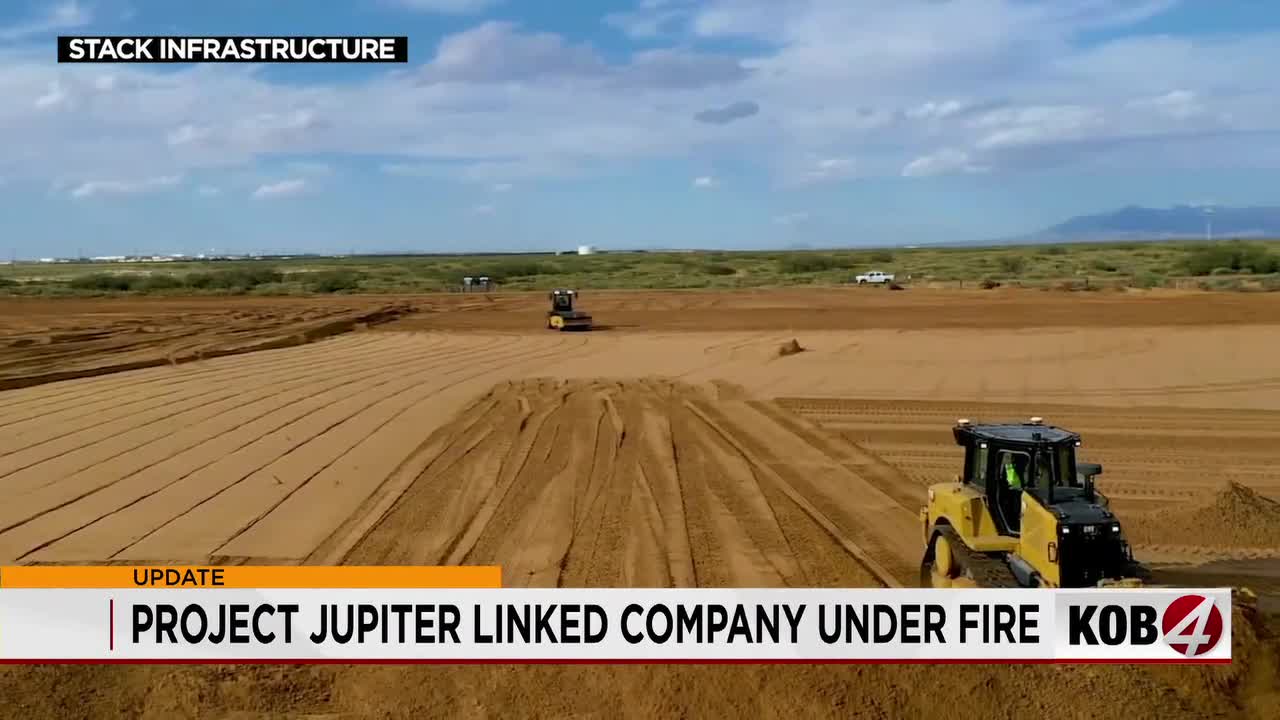
For months, advertisements touting ‘Project Jupiter’ and its purported boons for Doña Ana County absolutely blanketed airwaves and digital platforms. But the organization behind ’em, Elevate New Mexico, remained a veritable ghost in the machine, spurring the State Ethics Commission to act. And act they did.
The commission has now filed a lawsuit, contending Elevate New Mexico — an anonymous, out-of-state entity, mind you — violated the state’s Lobbyist Regulation Act. They assert the group lavished substantial sums to sway public opinion regarding the data center, yet refused to register or reveal its financial backers. Who funds these shadowy operations, anyway?
And that cuts deep. Few things erode public trust faster than secret money in politics, particularly when major infrastructure decisions are on the line. It’s a concern not just here, sure, but echoes across emerging democracies where opaque funding can, frankly, derail the entire public discourse.
“Our democratic process relies on transparency,” declared John Martinez, a spokesperson for the State Ethics Commission, in an exclusive interview with Policy Wire. “When groups pump significant money to manipulate policy — and make no mistake, that’s what they’re doing — the public has an absolute right to know whose interests they’re serving. It’s fundamental to fair governance, plain — and simple.”
This isn’t the first brush with controversy for Project Jupiter, you know. Earlier, another company linked to the development, Akoma LLC, faced scrutiny for improperly using the name of the Acoma Pueblo without permission. That outfit, at least, eventually capitulated — because, really, what choice did they’ve? — promising a name change.
But the Elevate New Mexico imbroglio truly cuts to the heart of what many call ‘dark money’ — those insidious funds spent to influence elections or public policy without so much as a whisper about the donors. The Center for Responsive Politics unveils that so-called dark money groups actually spent over $1.2 billion in federal elections from 2010 through 2022, and state-level figures, though notoriously harder to track, are similarly staggering. It’s a vast ocean of undisclosed cash, isn’t it?
Related: Global Economic Fallout: Iran Tensions Threaten Mozambique, Rwanda Stability
The commission’s complaint mandates Elevate New Mexico register its ad campaign as a lobbying effort. If successful, the group would then be legally compelled — no wiggle room here — to report exactly who contributed to and who received funds from their pro-data center campaign. That’s a pretty big deal.
Imagine, for a moment, a similar scenario playing out in Karachi or Lahore, where public skepticism about large-scale development projects and the hidden hands behind them is often rampant. The principle of disclosure — that vital act of knowing precisely who stands to gain from any given deal — transcends borders and political systems.
“For too long, certain actors have capitalized on loopholes to push their agendas in the shadows,” noted State Senator Patricia Roybal Caballero, a vocal champion of campaign finance reform. “We’re not just talking about a data center; we’re talking about the very integrity of our political landscape. Voters deserve to know who’s trying to influence their elected officials — and their communities.”
This lawsuit isn’t just about one project in New Mexico; it’s a stark microcosm of a broader national debate over money, power, and transparency in American politics. The math, frankly, is stark: more money, less transparency often equals distorted public policy outcomes.
What This Means
Should the State Ethics Commission triumph, this case would set a pivotal precedent for lobbying enforcement in New Mexico, potentially stifling future attempts by anonymous entities to manipulate state and local policy debates. It’d force a new level of accountability on groups that historically operate in the shadows — those often enveloped in layers of non-disclosure agreements. So, a big shake-up.
Economically, greater transparency could dramatically reshape how communities evaluate and negotiate with potential developers. Local residents would be better informed about a project’s true beneficiaries, potentially leading to more equitable agreements. Politically, it fortifies citizens, allowing ’em to assess whether advertisements are genuinely grassroots or bankrolled by deep-pocketed, self-interested parties. But this could, in turn, cultivate greater public trust in government decisions — a precious commodity, we’d argue, increasingly scarce in modern politics.
The ripple effect wouldn’t, let’s be clear, stop at state lines. Other states wrestling with similar ‘dark money’ challenges would surely take note, perhaps inspiring their own ethics bodies to pursue more aggressive enforcement actions against undisclosed lobbying. It’s a domino effect waiting to happen.
Professor Michael McDonald, a political scientist specializing in campaign finance law at the University of Florida, underscores this New Mexico case as highlighting a growing trend. “This isn’t an isolated incident; it’s part of a nationwide pushback against the opacity of modern political spending,” McDonald told Policy Wire. “The courts will ultimately decide the specifics, but the underlying edict is clear: the era of completely anonymous influence peddling is drawing to a close, at least for now.”