


Scorched Earth Policy: New Mexico Confronts a Relentless Inferno as Global Arid Zones Buckle
POLICY WIRE — ALBUQUERQUE, N.M. — The scent of distant smoke hangs heavy in the dry, unforgiving New Mexico air—a grim perfume this time of year, one locals have grown to dread. It’s not just the...

POLICY WIRE — ALBUQUERQUE, N.M. — The scent of distant smoke hangs heavy in the dry, unforgiving New Mexico air—a grim perfume this time of year, one locals have grown to dread. It’s not just the gusting winds kicking up dust devils across sun-baked mesas or the temperatures flirting with the triple-digit mark. No, it’s that gnawing anxiety, that low thrum of dread every resident understands: another fire season, another year living on a hair-trigger.
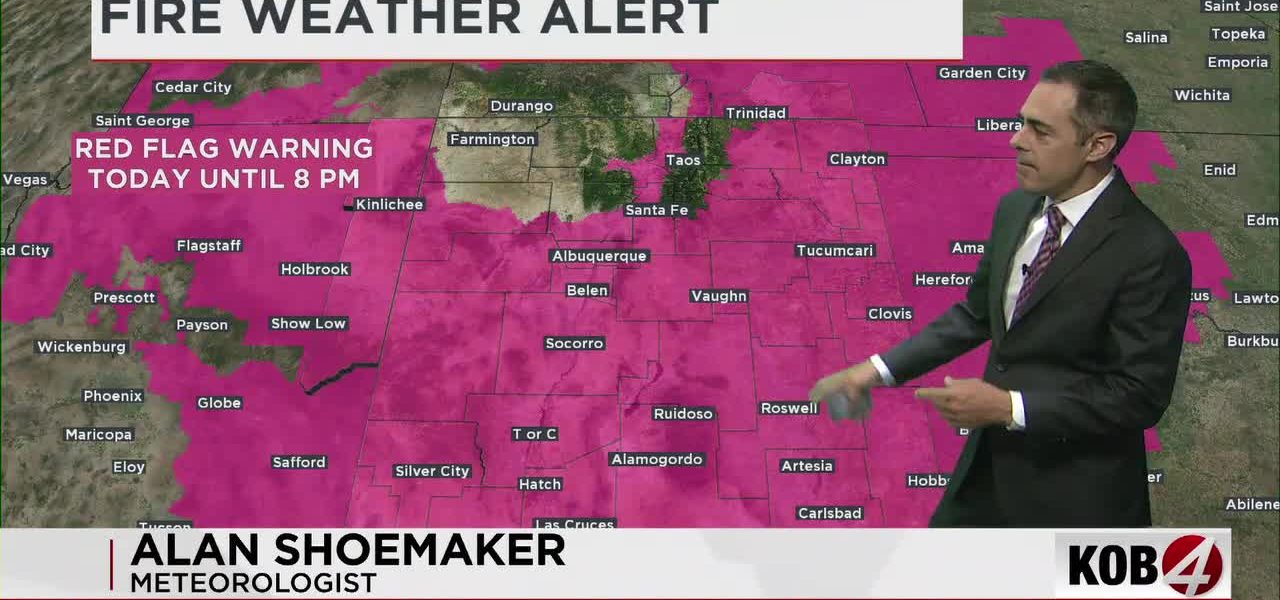
It isn’t an isolated incident, not anymore. These aren’t just ‘red flag warnings’ dotting a weather map; they’re battle lines drawn in the sand, etched by an environment that’s increasingly hostile, a stark challenge to human ingenuity—or, perhaps, stubbornness. For days now, and projected into the weekend, the very air here has been a tinderbox, primed to erupt with just one errant spark. Wind gusts, pushing 45 mph, turn every ember into a projectile, every small fire into an inferno chewing through what little green still clings to life.
And while the Albuquerque metro area finds itself squarely under the bullseye, with residents scanning horizons for that tell-tale plume of smoke, it’s not alone. Eastern New Mexico is staring down elevated fire dangers too. The thermometer’s mercury refuses to drop, consistently landing in the high 80s and low 90s across the state, ensuring that even a momentary lull in the wind provides little real comfort. This isn’t a fleeting problem; it’s become an annual reckoning.
“We’re throwing every resource we’ve got at this, because we can’t afford another catastrophic fire season,” declared Governor Michelle Lujan Grisham, her voice tight with familiar resolve during a recent press briefing. “Our communities, our environment, they can’t take it. This isn’t just about fighting fires; it’s about safeguarding livelihoods and generations of history built right here on this land.” It’s a battle cry that sounds more weary each year, echoing across a state where scars from past blazes still mar the landscape.
The stakes? They’re existential. We’re not talking about just a few charred acres here — and there. According to the National Interagency Fire Center (NIFC), the average annual acreage burned in the United States has more than doubled since the 1980s, illustrating a stark shift in fire behavior and frequency that feels acutely personal here. That statistic isn’t a headline from some far-off policy journal; it’s the lived experience of New Mexicans.
Because the challenge of living with — and mitigating against — such extreme environmental conditions isn’t unique to the Land of Enchantment. Much like arid zones spanning the globe, from the sun-beaten plains of Australia to the increasingly parched regions of Pakistan and the wider Muslim world, communities here are wrestling with the stark realities of climate destabilization. Torrential rains one year, suffocating drought the next, it’s a chaotic symphony of extremes that pushes existing infrastructure and local resilience to their absolute limits. In many of these places, where development budgets are razor-thin, and adaptation strategies feel like luxuries, the societal fractures become even more pronounced.
📄 POLICY WIRE WHITEPAPER PUBLISHED: PAKISTAN'S NATIONAL SECURITY POLICY PRIORITIES
👉 READ BY CLICKING HERE“What we’re seeing in New Mexico isn’t an anomaly; it’s a stark preview of what drying conditions mean for Western states, and honestly, for vulnerable populations globally,” commented Sarah Jenkins, Director of Federal Fire Preparedness, with a rare hint of public frustration. “The resources are stretched thin, and frankly, we’re perpetually playing catch-up with a climate that’s changing faster than our budgets or our methodologies can keep pace.” You can hear the resignation, can’t you? The admission that the problem’s simply gotten too big for conventional responses. New Mexico’s fight against the relentless spread of wildfires is a microcosm of a much larger, global struggle.
It’s an asphalt’s cruel paradox: A state steeped in ancient traditions and a deeply rooted sense of place finds itself on the front lines of a thoroughly modern crisis, forced to confront the environmental baggage of a carbon-fueled world. Folks here, they’ve always lived close to the land, respected its power. Now, that power feels a little too unpredictable, a lot too threatening. And government, well, it’s left scrambling, trying to put out literal fires while metaphorically dousing the growing political flames of climate inaction.
What This Means
This persistent, escalating wildfire threat in New Mexico isn’t merely an environmental issue; it’s a burgeoning policy disaster with profound political and economic implications. Politically, the recurring crisis will inevitably intensify calls for increased federal and state funding for fire prevention, suppression, and ecological restoration. Governor Lujan Grisham’s administration will face heightened scrutiny over its emergency response protocols and long-term climate strategies. Local elections, too, will become referendums on candidates’ stances regarding climate resilience and community preparedness, with a clear public demand for more proactive measures.
Economically, the fallout is already staggering — and growing. Property insurance rates in high-risk areas are spiking, driving up living costs and potentially making homeownership untenable for some. Agricultural losses from scorched lands — and water scarcity threaten a key sector of the state’s economy. the long-term impact on tourism, a critical revenue stream for New Mexico, is undeniable. When images of burning forests and hazy skies become synonymous with a state, visitor numbers dwindle. This isn’t just about immediate damages; it’s about a persistent drain on state coffers, diverted from other public services, for a fight that never truly ends. The question facing policymakers isn’t if this will get worse, but how quickly they can adapt before the costs — financial and human — become unbearable.