


Dharamsala Implosion: When a Captain’s Fumbles Uncorked a Tectonic Shift
POLICY WIRE — Dharamsala, India — In the high-stakes theater of Indian cricket, where fortunes turn on the twitch of a fielder’s hand, Gujarat Titans, it seems, authored their own dramatic...

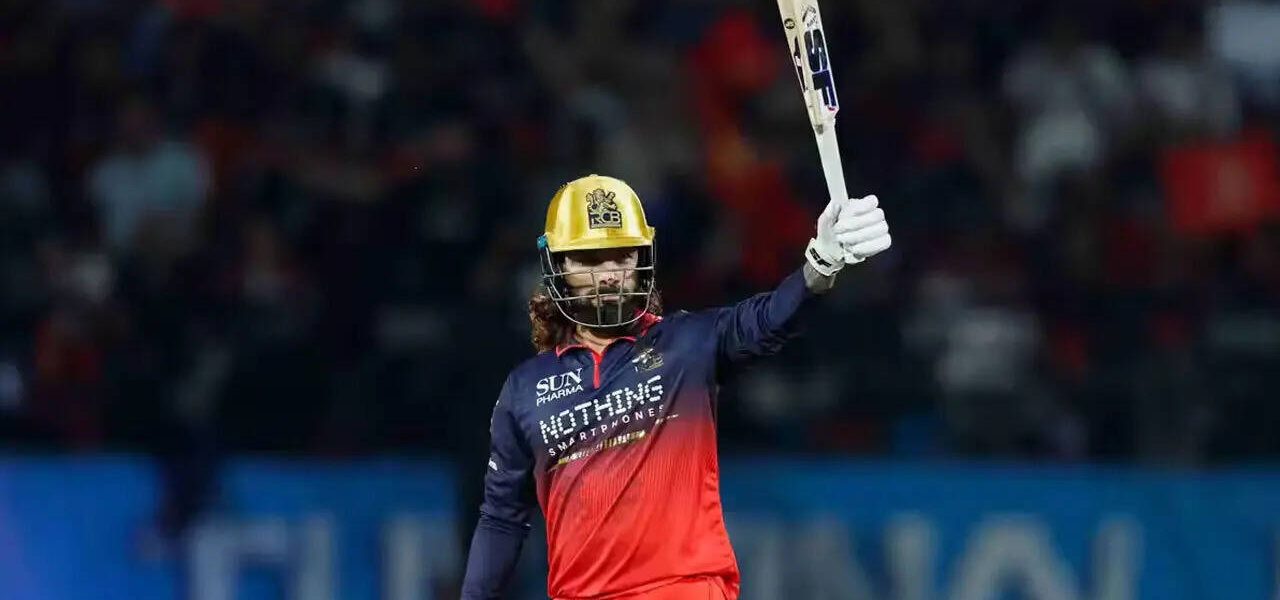
POLICY WIRE — Dharamsala, India — In the high-stakes theater of Indian cricket, where fortunes turn on the twitch of a fielder’s hand, Gujarat Titans, it seems, authored their own dramatic collapse. One moment, they appeared poised to tame a formidable opponent. The next? An outright implosion, offering Royal Challengers Bengaluru skipper Rajat Patidar not one, but two lifelines in the same over during a crucial IPL playoff—a catastrophic error that uncorked one of the tournament’s most punishing individual performances. Because sometimes, history isn’t made by a player’s genius alone; it’s facilitated by an opponent’s profound generosity.
The venue, Himachal Pradesh Cricket Association Stadium, was a scenic backdrop for what unfolded as an operational nightmare for the Titans. With the pressure mounting in Qualifier 1 of IPL 2026, Patidar, at the time on a comparatively modest 18, then 20 runs, was handed those reprieve by flustered GT fielders in the 14th over. The repercussions were immediate — and brutal. He capitalised fully on the reprieves, transforming from a dangerous batsman into an unstoppable force, a battering ram of a presence that systematically dismantled the bowling attack. He smashed five boundaries and nine massive sixes, ending his innings unbeaten 93 off just 33 deliveries. His strike rate? A dizzying 281.81. [QUOTE_PLACEHOLDER]
RCB’s scoring sheet tells a story of an initially steady, then suddenly explosive, assault. Virat Kohli provided a fluent 43 off 25 balls earlier on, alongside Devdutt Padikkal’s 30. But after a brief period where Rashid Khan — and Jason Holder had seemingly pulled things back, Patidar took charge. But oh, how things escalate. And did they ever, in this contest. Kulwant Khejroliya, a bowler, endured a disastrous over that went for 28 runs, littered with misfields, no-balls, and a wide. It was, in journalistic parlance, an absolute shocker. RCB, having taken those free passes, went berserk in the death overs, smashing 86 runs in the final five overs and 114 in the last six overs.
Patidar’s knock wasn’t just big; it was surgically precise — and relentlessly aggressive. The statistical marvel, though almost an aside to the sheer visual impact, highlights its clinical efficiency: Patidar played only one dot ball during the innings — a ball that eventually resulted in a bye — underlining the dominance of his knock. And that strike rate of 281.81 is now the highest by a captain in an IPL innings of 50 or more. It speaks volumes, doesn’t it, about turning adversity—or, rather, a massive stroke of luck—into advantage.
📄 POLICY WIRE WHITEPAPER PUBLISHED: PAKISTAN'S NATIONAL SECURITY POLICY PRIORITIES
👉 READ BY CLICKING HEREHis track record in the IPL playoffs isn’t a flash in the pan either. The man has a knack for showing up when it truly counts. In just six IPL playoff innings, he has scored 338 runs at an astonishing average of 112.66 and a strike rate of 193.14. This record includes a century — and two fifties, not to mention 25 fours and 24 sixes. Only a handful of IPL legends—Suresh Raina (40), MS Dhoni (28), and Kieron Pollard (25)—have hit more sixes than Patidar in this format’s post-season history. From a memorable unbeaten 112 off 54 balls against Lucknow Super Giants in the 2022 Eliminator to this latest onslaught against Gujarat Titans, his playoff performances have consistently defined his reputation. And let’s be real—that sort of consistency under pressure, it’s what separates the contenders from the mere participants.
What This Means
This single, scintillating display by Rajat Patidar, catalyzed by an opposition’s stunning capitulation under duress, offers a microcosm of larger forces at play within India and indeed, across the broader South Asian landscape. Economically, the IPL isn’t just sport; it’s a colossal industry, a marketing juggernaut generating billions. It captures the imagination of hundreds of millions, providing a cultural touchstone that, for all its fierce internal rivalries, often transcends nationalistic or even sectarian divides—albeit temporarily. While policymakers grapple with issues from trade deficits to security concerns, the collective gasp over a dropped catch or the roar for a six stitches together diverse demographics, offering a powerful, managed distraction. This spectacle, this obsession with cricket, has become an integral part of the subcontinent’s socio-economic fabric, shaping brand loyalties and media consumption in ways few other cultural phenomena can. But it’s not without its undercurrents—the raw nerves and political jockeying that mirror, in their own way, the dramatic swings of an IPL match. It’s a testament to the region’s complexity that such celebratory events occur even as deeper, often violent, narratives unfold, such as when an Eid journey turns deadly, igniting security crises for Pakistan. Both are threads in the vibrant, sometimes brutal, South Asian tapestry. For India, the IPL is also a significant soft power projection—demonstrating organizational prowess, economic heft, and cultural influence across the continent and beyond. It’s a highly polished product, but its occasional, raw moments of human fallibility and triumph, like Patidar’s epic innings, are what keep the masses utterly spellbound. It’s an economy of attention, after all, — and the IPL has mastered it.