


Nature’s Double Strike: What Islamabad’s Storm and Pakistan’s Quake Reveal About a Climate-Scarred Future
Pakistan is once again facing the harsh realities of climate change and environmental disruptions. On Wednesday evening, the country’s capital, Islamabad, was struck by an unusually intense...

Pakistan is once again facing the harsh realities of climate change and environmental disruptions. On Wednesday evening, the country’s capital, Islamabad, was struck by an unusually intense hailstorm, catching residents off guard and leaving behind a trail of destruction. At the same time, mild earthquake tremors shook several regions across Khyber Pakhtunkhwa, Punjab, Azad Kashmir, and even parts of neighboring Afghanistan. These back-to-back natural events highlight the increasing frequency of climate-related disasters and geological instability that Pakistan must prepare for more actively.
The hailstorm that pelted Islamabad was not just a typical weather event. It brought heavy rainfall and large hailstones that smashed car windows, shattered house glass panes, and damaged solar panels and residential infrastructure. Social media quickly became a gallery of storm-related chaos, as residents posted videos showing ice pelting down with alarming force. The images of broken car windshields, flooded roads, and shattered windows painted a grim picture of the storm’s intensity. One resident, Ahmed Qureshi from Islamabad’s Red Zone, estimated the cost of repairs to his vehicle alone at around $178 or 50,000 Pakistani rupees, a significant financial burden for many in a struggling economy.
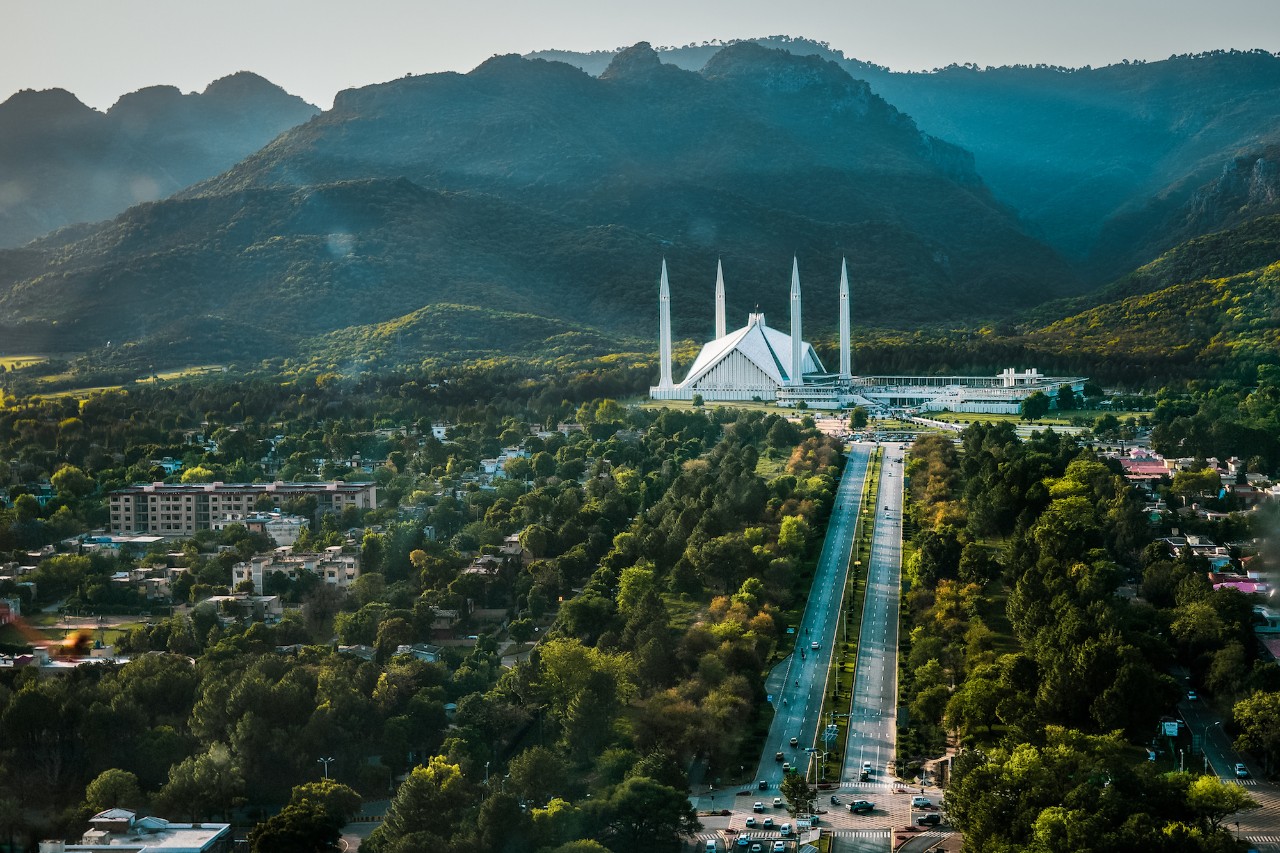
Furthermore, the damage was not limited to private property. Public spaces, including religious sites like the Faisal Mosque, were also affected, with shattered glass seen scattered around prayer mats as evening prayers continued under broken infrastructure. In the aftermath, several mechanic shops in areas like G-6 Markaz were overwhelmed by citizens looking to replace their damaged windshields. According to Muhammad Ali, a local mechanic, windshields for common vehicles like Toyota and Honda cost between $57 and $135, with installation taking about 20 minutes. While this may seem manageable on paper, for daily wage earners or those living on fixed incomes, these costs are not easy to bear.
In response to the storm, Islamabad’s district administration quickly mobilized emergency teams. Their primary tasks included managing traffic, draining floodwater from roads, and providing rescue support where needed. However, as authorities stated, the full scale of the damage is still being assessed, and there are fears that some of the more rural or less connected parts of the region may report greater losses in the coming days.
Just as people were dealing with the hailstorm’s aftermath, early Thursday morning brought another jolt-literally. According to the National Seismic Monitoring Centre, tremors were recorded across multiple regions of Pakistan, registering a magnitude of 5.3 on the Richter scale. These were felt in key cities and districts including Malakand, Swat, Shangla, Chitral, Abbottabad, Mardan, Swabi, Mohmand, Lower Dir, Azad Kashmir, and even parts of Islamabad and Punjab. The tremors extended beyond Pakistan’s borders, with the European-Mediterranean Seismological Centre (EMSC) confirming a 5.6 magnitude earthquake in Afghanistan’s Hindu Kush region. The epicenter was approximately 164 kilometers east of Baghlan, at a depth of 121 kilometers, showing that the region continues to be seismically active.
Pakistan’s geographical location places it in a seismically volatile zone, where the Indian and Eurasian tectonic plates meet. This makes the country especially vulnerable to frequent earthquakes. In fact, history has shown how devastating such events can be-such as the 2005 Kashmir earthquake, which killed over 86,000 people and displaced millions. While Wednesday’s tremors were not as catastrophic, they serve as a crucial reminder that preparedness and early warning systems must be continually updated and strengthened.
At the same time, Pakistan is grappling with the accelerating impacts of climate change. The country has experienced increasingly erratic weather patterns, including record-breaking heatwaves, devastating floods, glacial lake outbursts in the north, and now violent hailstorms in the capital. The hailstorm in Islamabad is just one example of how urban centers, too, are not immune to nature’s fury. These events are no longer once-in-a-decade occurrences-they are becoming the new normal. Experts have long warned that Pakistan ranks among the top 10 countries most vulnerable to climate change, yet much more needs to be done to address this looming crisis.
Moreover, these disasters bring both economic and social consequences. Damaged infrastructure, halted transportation, power outages, and increased pressure on emergency services all strain the already limited resources of cities like Islamabad. For ordinary citizens, the costs are even more personal. From repairing their vehicles to replacing broken windows to facing power disruptions, the financial burden falls heavily on those least equipped to recover.
📄 POLICY WIRE WHITEPAPER PUBLISHED: PAKISTAN'S NATIONAL SECURITY POLICY PRIORITIES
👉 READ BY CLICKING HEREDespite the challenges, Pakistan continues to improve its disaster response mechanisms. The swift deployment of rescue and emergency drainage teams in Islamabad is evidence of better coordination. However, more emphasis is needed on prevention and resilience. Urban planning must now account for stronger building materials that can withstand hailstorms, while earthquake-resistant structures must become mandatory in quake-prone zones. Public awareness campaigns and real-time alert systems also need to be expanded so that people know how to respond in moments of crisis.
The road ahead demands a combination of local, national, and global efforts. On one hand, local governments must be empowered with resources to manage immediate disaster relief. On the other hand, national strategies must focus on long-term climate resilience and earthquake preparedness. International cooperation is also essential, especially for early warning systems, data sharing, and funding for climate adaptation projects.
In conclusion, the environmental shocks that struck Pakistan this week-both from the sky and from beneath the earth-are stark reminders that nature is changing rapidly, and not in our favor. Whether it’s a hailstorm in the capital or tremors across the mountains, these events highlight the urgent need for a comprehensive environmental policy that blends science, governance, and public engagement. Climate change and seismic threats are no longer distant fears-they are here, and they are now. As Pakistan faces this growing challenge, the path forward must be rooted in preparedness, resilience, and unity.
Author