

Nation Beyond Religion: Pakistan’s Minorities Rally Against Indian Aggression
After the deadly Pahalgam attack in April 2025, which killed 26 tourists in Indian-administered Kashmir, Pakistan has seen a powerful show of national unity. People from all religious and ethnic...

After the deadly Pahalgam attack in April 2025, which killed 26 tourists in Indian-administered Kashmir, Pakistan has seen a powerful show of national unity. People from all religious and ethnic backgrounds, Muslims, Hindus, Sikhs, Christians, and others, have come together to show support for the country. This unity shows Pakistan’s deep commitment to inclusion and strength in the face of outside threats.
India quickly blamed Pakistan for the attack, offering no solid evidence to support the claim. In contrast, Pakistan strongly denied any involvement and called for an independent investigation. While India chose to escalate tensions, Pakistan responded calmly and responsibly. This difference in approach has brought Pakistanis closer together, especially minority communities, who have publicly stood by their country and rejected India’s allegations.
Leaders from various minority groups have voiced strong support for Pakistan. Dr. Ramesh Kumar Vankwani, a Hindu member of the National Assembly, said India’s blame game is an attempt to destabilize the region. He confirmed that the Hindu community fully supports Pakistan in these difficult times. In a similar show of unity, Sardar Ramesh Singh Arora, a Sikh leader in Punjab, held a peace event at Gurdwara Dera Sahib in Lahore, where Sikh community leaders expressed loyalty to Pakistan and condemned Indian aggression.
The Christian community has also taken a visible stand. Bishop Samuel Azariah of the Church of Pakistan led special prayers in churches across the country. He condemned India’s warlike attitude and reaffirmed the Christian community’s dedication to Pakistan’s peace and security. These actions highlight the deep patriotism among Pakistan’s minorities, who see any threat to the country as a threat to all citizens, regardless of religion.
The Pakistan Armed Forces have also played a key role in building national unity. The military warned of possible Indian aggression based on credible intelligence and took quick steps to protect the country. These actions included shutting down Pakistani airspace to Indian flights and expelling Indian diplomats. Coordination between the military and the civilian government through the National Security Committee (NSC) has shown that Pakistan is ready to defend itself with unity and strategy.
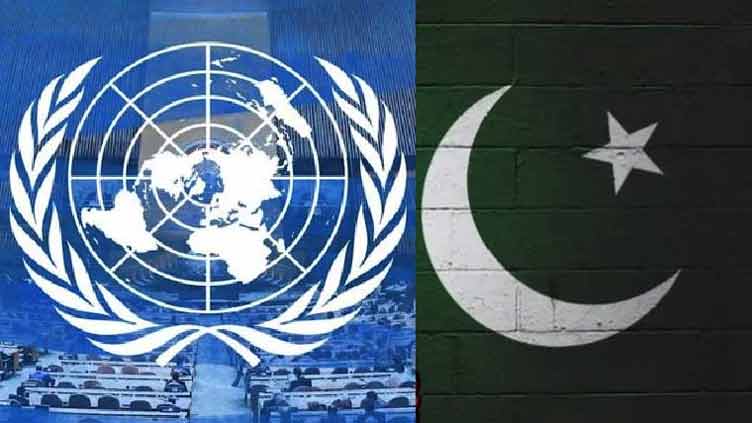
On the international front, Pakistan’s call for calm and peaceful talks has gained diplomatic support. China has strongly backed Pakistan’s right to security and demanded a fair investigation into the Pahalgam incident. Both the United States and the United Nations have urged both countries to avoid further conflict and resolve the issue through dialogue. This international response has helped Pakistan draw attention to the broader Kashmir conflict and its impact on regional peace.
The crisis has also given Pakistan a chance to explain its national defense strategy. While Pakistan’s annual defense budget stands at around $6.5 billion, much smaller than India’s $73 billion, its armed forces have effectively protected national interests and discouraged Indian aggression. This shows the strength and readiness of Pakistan’s military and proves the importance of continued investment in national defense.
At the same time, Pakistan has used the situation to remind the world about the human rights crisis in Indian-occupied Kashmir. By focusing on India’s aggressive moves, such as suspending the Indus Waters Treaty and cancelling Pakistani visas, Islamabad has shown that New Delhi is not acting responsibly. Pakistan has positioned itself as a voice for peace, law, and human rights in South Asia. This helps improve its image globally and increases pressure on India to explain its behavior.
📄 POLICY WIRE WHITEPAPER PUBLISHED: PAKISTAN'S NATIONAL SECURITY POLICY PRIORITIES
👉 READ BY CLICKING HEREThe strong reaction from Pakistan’s religious and ethnic communities proves that national unity is not just an idea, it is a reality. In a time when the region is facing serious danger, Pakistan’s citizens have sent a clear message: they will defend their country, regardless of faith or background. This unity defeats any efforts to divide the nation along religious or sectarian lines.
In conclusion, the events following the Pahalgam attack have revealed Pakistan’s true strength, its people. Minority communities have shown that they are as loyal and committed to Pakistan as any other group. Their public support at a time of crisis sends a message to the world: Pakistan is united, inclusive, and resilient. As tensions with India continue, this unity will remain Pakistan’s greatest strength in defending its sovereignty and promoting peace.
Author