


Mumbai’s Sky-High Solutions: How Rooftops Reshape Urban Life and Energy
POLICY WIRE — Mumbai, India — Few landscapes encapsulate human resilience and improvisation quite like the rooftops of a sprawling megacity. These elevated spaces, often overlooked or dismissed as...

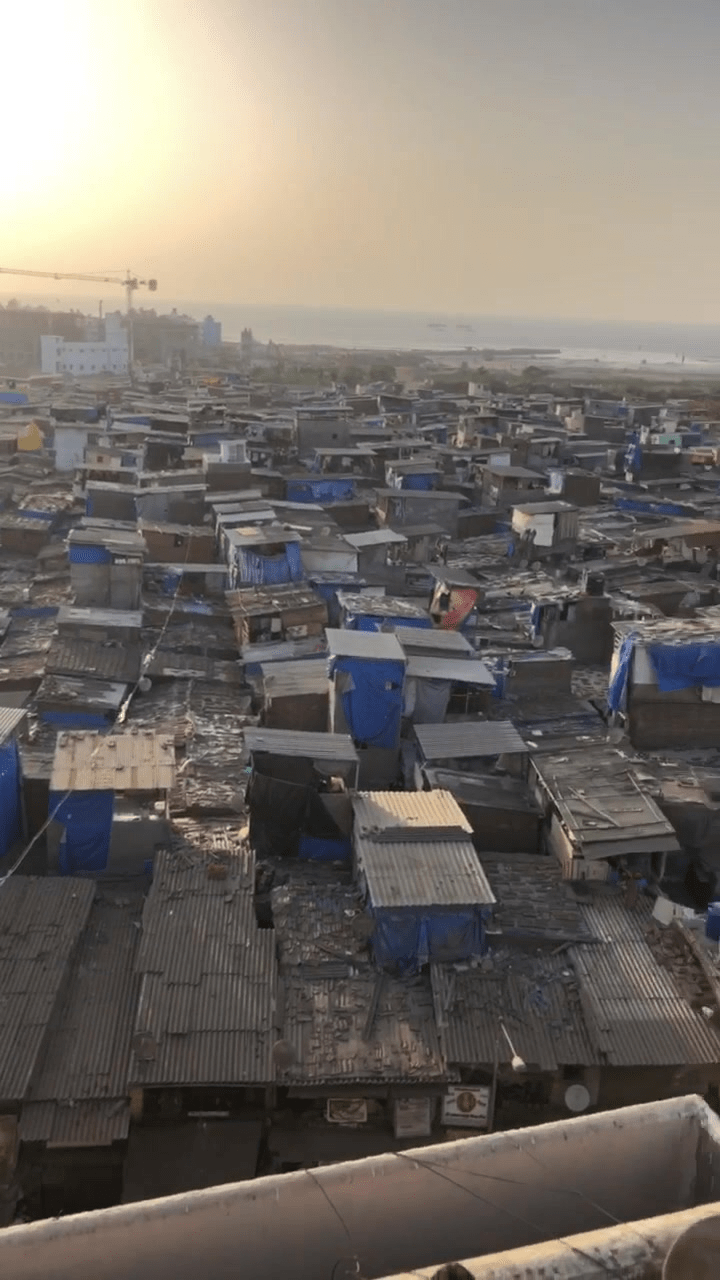
POLICY WIRE — Mumbai, India — Few landscapes encapsulate human resilience and improvisation quite like the rooftops of a sprawling megacity. These elevated spaces, often overlooked or dismissed as mere utilitarian fixtures, are fast becoming dynamic canvases in Mumbai, revealing layers of ingenuity and untapped potential.
And yet, beyond the clotheslines and water tanks, a silent revolution is brewing above the cacophony of India’s financial capital. It’s a pragmatic, ground-up (or rather, roof-up) movement to reclaim vertical space for everything from sustainable energy to vibrant community life.
The Vertical Frontier
For decades, Mumbai wrestled with its explosive growth, a city bursting at the seams. Its land is among the most expensive globally, pushing residents and developers alike to look skyward for solutions to persistent challenges.
That’s where the rooftops come in. They aren’t just dead space; they’re fertile ground for innovation, reflecting the city’s unyielding spirit.
“Mumbai is a living, breathing testament to human ingenuity. Our rooftops aren’t just concrete slabs; they’re vital canvases for sustainability and community, a resource we’ve only just begun to fully appreciate,” stated Maharashtra Urban Development Minister, Prakash Shah, in a recent address, highlighting governmental recognition of this trend.
Indeed, they’re becoming sites for small urban farms, pop-up cafes, and even informal childcare centers. But perhaps their most significant transformation lies in energy production.
Consider the sheer surface area available. With an average population density of approximately 21,000 people per square kilometer, Mumbai’s buildings stack tightly together, offering a vast, underutilized solar harvestable area, according to a 2023 World Population Review assessment.
This isn’t merely an environmental aspiration; it’s a pressing economic necessity. Mumbai, like many South Asian hubs, faces constant pressure on its power grid, making decentralized energy solutions particularly attractive.
A South Asian Blueprint
Such resourceful use of limited space isn’t unique to Mumbai. Cities across South Asia, from Karachi to Dhaka, grapple with similar urban pressures and informal economies that flourish in unexpected corners.
Often, these rooftop ventures begin informally, a community taking charge where formal infrastructure lags. They then evolve, sometimes integrating with larger civic projects.
“These rooftop economies, formal and informal, reflect the true pulse of South Asian megacities. They’re incubators of innovation, but also stark reminders of infrastructure deficits and the urgent need for integrated urban planning,” observed Dr. Aisha Khan, an urban sociologist at Delhi University. Her work frequently touches on how residents adapt to and shape their built environments.
Make no mistake, transforming these spaces presents considerable challenges, including safety regulations, property rights, and access to funding. Yet, the energy and determination driving these initiatives seem limitless.
For instance, community solar projects, sometimes facilitated by NGOs, are springing up, powering common areas or providing supplemental electricity to low-income residents.
Could this represent a seismic shift in how we conceive of urban infrastructure and sustainability?
What This Means
The burgeoning rooftop phenomenon in Mumbai signals a critical pivot in urban development philosophy. It moves beyond traditional top-down planning, embracing organic, resident-driven solutions that respond directly to local needs.
Economically, it diversifies revenue streams for building owners and can foster new micro-enterprises. Environmentally, it offers a tangible path toward reducing carbon footprints and increasing energy independence in highly polluted cities.
Politically, the challenge lies in legitimizing and integrating these informal innovations without stifling their dynamism. City authorities must find ways to provide regulatory frameworks that ensure safety and equity, rather than simply imposing restrictions.
It’s about fostering collaboration between the municipal government, private citizens, and non-profits. The stakes are high; effective integration could unlock significant economic and social benefits.
Related: Ahmed’s IPL Call-Up: A Seismic Shift for English Cricket’s Rising Star
Moreover, as global populations continue to urbanize, Mumbai’s experiences offer valuable lessons. The lessons extend far beyond energy, touching on issues of community building, public health, and spatial justice.
The math is stark: with limited ground space, the sky is quite literally the limit for expansion and innovation. A failure to harness this potential would be a profound missed opportunity.
Looking Ahead
Ultimately, experts like Dr. Ashwin Kumar, a Bangalore-based urban policy analyst, contend that the future of cities like Mumbai hinges on such adaptive strategies. “Cities must learn to breathe, not just sprawl,” Kumar asserts. “Rooftops are not just engineering marvels; they’re the next frontier for urban ecosystems, offering a vital lung and a power source. Embracing them fully means embracing a truly sustainable, equitable future for millions.”