


Mumbai Indians’ Strategic Bungle: When Mega-Bucks Meet Minor-League Tactics
POLICY WIRE — Mumbai, India — It wasn’t the gargantuan 243-run total that truly set tongues wagging across the subcontinent; nor was it the Sunrisers Hyderabad’s blistering riposte,...

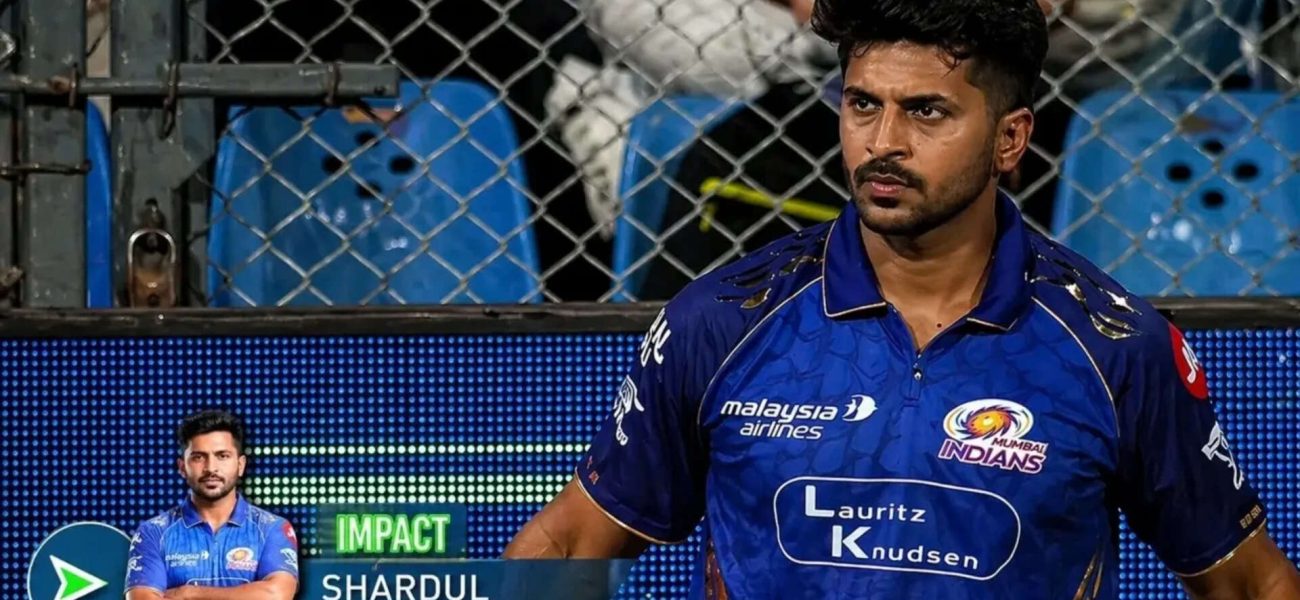
POLICY WIRE — Mumbai, India — It wasn’t the gargantuan 243-run total that truly set tongues wagging across the subcontinent; nor was it the Sunrisers Hyderabad’s blistering riposte, annihilating that target with an over to spare. No, the real spectacle, the insidious unraveling of a meticulously crafted image, occurred on the sidelines. It involved a specialist all-rounder, Shardul Thakur, deployed as an ‘Impact Sub’ by the Mumbai Indians in a high-stakes Indian Premier League (IPL) clash, who then, bewilderingly, was never called upon to perform the very task he was introduced for.
Such is the quixotic nature of modern sport: an industry awash with billions, yet still susceptible to tactical misjudgments that wouldn’t pass muster in a local amateur league. Mumbai, a franchise synonymous with strategic acumen and financial heft, found itself under an unprecedented maelstrom of discontent after its bowlers endured a truly torrid outing at the Wankhede Stadium. Abhishek Sharma — and Travis Head, for SRH, launched an unholy assault, racing to 115 without loss in just seven overs. The MI bowlers bled runs, their figures looking more like phone numbers than bowling analyses.
And yet, Shardul Thakur – brought in for wicketkeeper-batter Robin Minz in the seventh over, ostensibly to provide an additional bowling cushion – stood sentinel. He didn’t deliver a single ball. Not one. On a pitch where every other Mumbai bowler was taken to the cleaners, including the usually unflappable Jasprit Bumrah, who conceded an alarming 54 runs from his four overs, per official match records, the decision became a curious, bewildering silence in the cacophony of a record chase. Hardik Pandya, the captain, watched his side flounder, seemingly paralyzed by a strategy that had, at its core, no discernible execution plan.
“Our strategic choices are always made with the team’s long-term interests in mind,” shot back Rohit Gupta, Mumbai Indians Director of Cricket Operations, in a carefully worded statement issued hours after the loss. “Sometimes, in the heat of battle, decisions don’t yield the immediate returns we anticipate. We’re committed to continuous improvement, obviously.” It’s a familiar refrain, isn’t it? The corporate speak of accountability without truly owning the gaffe. But fans, a discerning — and often unforgiving lot, weren’t buying it. Social media platforms immediately became a theatre of the absurd, with memes and sharp condemnations painting the franchise as tactically naive.
Still, the implications reach further than just fan sentiment. For a league that represents a colossal economic engine for South Asia, generating billions and captivating audiences from Lahore to Dhaka, such high-profile strategic blunders – especially from a marquee franchise – can subtly erode confidence. It’s not merely about a cricket match; it’s about the perceived efficiency — and governance of a powerful institution. Think of the millions in sponsorship, the advertising revenue, the brand equity; they’re all predicated on a perception of professional excellence. When that perception falters, even marginally, it sends ripples. The IPL isn’t just sport; it’s a statement of regional ambition and economic might, and its perceived frailties, even on the field, can assume broader significance.
📄 POLICY WIRE WHITEPAPER PUBLISHED: PAKISTAN'S NATIONAL SECURITY POLICY PRIORITIES
👉 READ BY CLICKING HERE“It’s a perplexing scenario, honestly. To bring in a specialist all-rounder, a proven wicket-taker, and then leave him cooling his heels when your frontline attack is getting absolutely savaged – it suggests either a profound tactical misread or a breakdown in communication that’s frankly astonishing for a franchise of this stature,” observed Harsha Bhogle, veteran cricket commentator and analyst, in a post-match interview. Bhogle’s assessment underscores the professional chagrin emanating from within the sport’s cognoscenti, hinting at deeper structural issues than a mere captain’s whim. Behind the headlines of big hits and record chases, there’s a management conundrum that mirrors corporate governance challenges elsewhere.
What This Means
At its core, the Mumbai Indians’ curious deployment of Shardul Thakur highlights the perennial struggle between deep pockets and strategic competence. This wasn’t merely a bad day at the office; it was a public demonstration of an elite organization failing to leverage its resources effectively. For a brand like the Mumbai Indians, backed by industrial conglomerates, such missteps aren’t just about losing two points in a league table; they’re about brand erosion and investor confidence. The IPL is a commercial juggernaut, attracting global talent — and substantial foreign investment. A perception of tactical disarray, particularly from its most visible entities, could subtly deter future stakeholders. it speaks to the broader issue of accountability within high-stakes enterprises, where immense pressure can lead to baffling decisions. The rapid, viral criticism from fans across the subcontinent, from India to Pakistan and Bangladesh – where cricket is practically a religion – showcases how quickly public trust, or indeed, the perception of competence, can be jeopardized. It’s a micro-drama reflecting macro-governance challenges, an unwanted digital phantom that will likely haunt future narratives of this season, irrespective of subsequent wins. Management’s ability to articulate and execute a coherent strategy becomes paramount, not just for sporting success, but for safeguarding a multi-billion dollar enterprise’s image.