


Sri Lanka’s Sky-High Ambition Crashes: The ‘Emptiest Airport’ Echoes a Region’s Debt Dilemma
POLICY WIRE — Colombo, Sri Lanka — The vast, sun-baked runways stretch out like an abandoned dream, a silent testament to a nation’s towering ambition — and its ensuing fiscal vertigo. Sri...

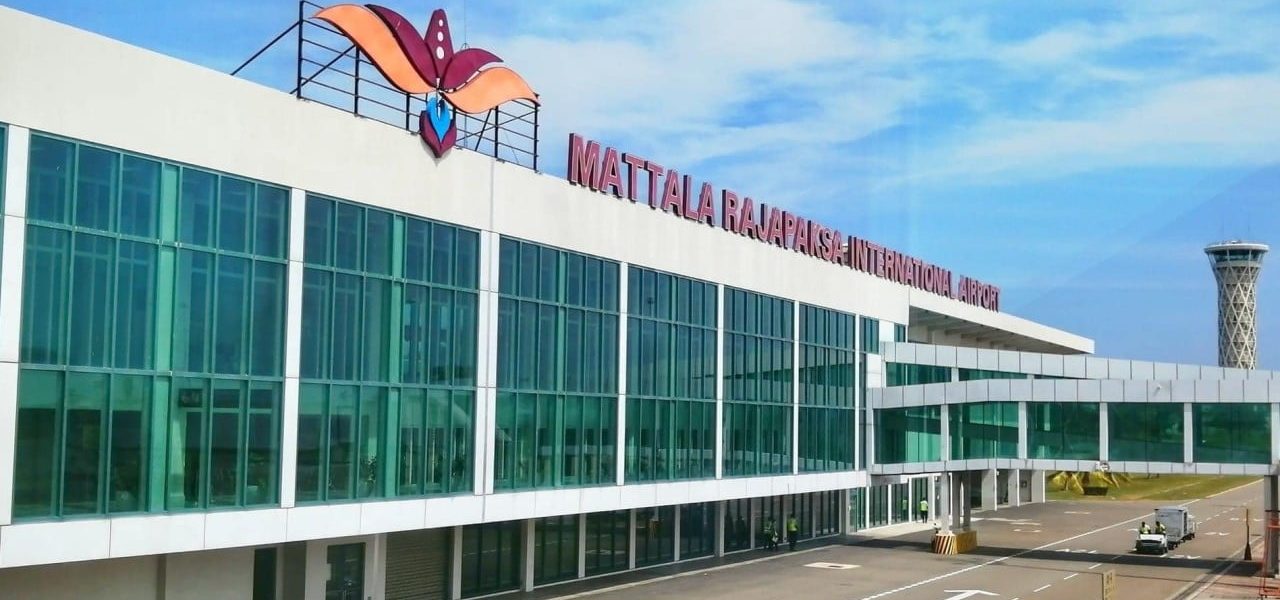
POLICY WIRE — Colombo, Sri Lanka — The vast, sun-baked runways stretch out like an abandoned dream, a silent testament to a nation’s towering ambition — and its ensuing fiscal vertigo. Sri Lanka’s Mattala Rajapaksa International Airport (MRIA), once touted as a crucial gateway to the island nation’s southern expanse, today stands as a potent, if desolate, symbol of infrastructure grandiosity gone awry. It’s often dubbed the ‘world’s emptiest airport,’ a cruel moniker that hardly scratches the surface of its complex, geopolitically charged narrative.
For years, policy wonks — and aviation analysts have scrupulously scrutinized this peculiar edifice. Its latest commercial stumble, a 30-year lease agreement with an Indo-Russian joint venture that dissolved without a whimper, underscores a persistent, costly quandary. The expectation? A radical reimagining was supposed to entice fresh capital, to breathe life into an aerodrome that’s been financially hemorrhaging since its conception.
Conceived in an era of aggressive infrastructure development, largely bankrolled by Beijing, MRIA isn’t just Sri Lanka’s second international airport; it’s an emblem of China’s burgeoning influence across South Asia. Nestled incongruously near a sprawling wildlife sanctuary on the island’s southern coast — a locale critics always deemed commercially untenable — this gargantuan project, completed in 2013, has never managed to attract regular flights. Not a single one, effectively. Imagine the operational expenses, the maintenance crews, the sheer scale of the investment, all for an almost entirely absent clientele.
It was meant to be a catalyst, a new economic artery for the Hambantota region, dovetailing with the nearby Chinese-built port — another venture whose economic viability often raises eyebrows. But, the anticipated flocks of tourists — and cargo planes simply never materialized. Since its grand unveiling, the airport has utterly failed to generate enough revenue to cover even its basic operational outlays, let alone service the hefty debt incurred for its construction.
“We’re acutely aware of the challenges facing Mattala,” opined Rohan Gunaratne, Secretary to the Ministry of Aviation, in an exclusive chat with Policy Wire. “The previous arrangement, regrettably, didn’t deliver the synergy we’d hoped for. But, let’s be unequivocally clear: it’s a national asset, however challenging its current utilization. We’re committed to finding a viable, long-term solution that serves the Sri Lankan people.”
“This airport isn’t just an infrastructure failure; it’s a stark emblem of how readily ambition, frequently fueled by political expediency, outpaces prudent financial planning, particularly when external financing — often opaque and carrying geopolitical undertones — is involved,” shot back Dr. Sonal Singh, a regional economic strategist with the Delhi Policy Group, speaking from New Delhi. “It’s a textbook case of a white elephant, its very existence a monument to fiscal hubris.”
Still, the narrative around MRIA extends far beyond Sri Lanka’s shores. It resonates across a host of developing nations, particularly in South Asia and parts of the Muslim world, where Chinese-backed Belt and Road Initiative (BRI) projects have frequently promised transformative growth but sometimes delivered burdensome debt. Pakistan, for instance, a pivotal BRI partner, watches such sagas unfold with a wary eye, discerning parallels in its own infrastructure endeavors. India, naturally, views Chinese economic inroads into its maritime backyard with considerable apprehension, discerning strategic overtones in these ostensibly purely commercial ventures.
📄 POLICY WIRE WHITEPAPER PUBLISHED: PAKISTAN'S NATIONAL SECURITY POLICY PRIORITIES
👉 READ BY CLICKING HEREThe airport, initially costing roughly $209 million – with an overwhelming 85% provided by China Exim Bank – was designed to handle one million passengers annually. Yet, according to data widely reported by outlets like The Diplomat, during its early years, MRIA frequently serviced fewer than a hundred passengers per day — a staggering, almost comical, disparity between capacity and demand.
What This Means
At its core, Mattala’s continued dormancy signals a deeper geopolitical friction — and a domestic governance quandary. For Colombo, securing a new investor isn’t merely about filling an empty terminal; it’s about regaining fiscal autonomy and alleviating a substantial debt burden. The previous Indo-Russian bid was, in part, an attempt to diversify away from an overwhelming reliance on China, a move watched closely by both Washington and Beijing. And so, any new deal won’t just be an economic transaction; it’ll invariably carry significant diplomatic baggage, potentially shifting regional influence dynamics.
Beyond the immediate fiscal implications, this saga serves as a cautionary tale for other nations eyeing large-scale, externally financed infrastructure. The allure of grand projects often overshadows the meticulous market assessments — and long-term sustainability plans. It’s a cruel irony that an airport meant to connect Sri Lanka to the world now mostly connects it to a painful fiscal reckoning (and perhaps a few stray elephants from the adjacent park).
So, as Sri Lanka’s government casts about for yet another suitor to resuscitate its air-traffic ghost, the global development community watches. Will it find a genuinely sustainable path, or will Mattala remain a stark, silent monument to a future that never quite took flight? The runway’s open, but for now, it’s just the wind passing through.