


Montreal’s High-Stakes Gamble: F1 Sprint Revamp Tests Canada’s Motorsport Prowess and the Sport’s Soul
POLICY WIRE — Montreal, Canada — In the churning world of high-octane spectacle and geopolitical maneuvers, few things hold as much paradoxical appeal as Formula 1. This weekend, the sport crashes...

POLICY WIRE — Montreal, Canada — In the churning world of high-octane spectacle and geopolitical maneuvers, few things hold as much paradoxical appeal as Formula 1. This weekend, the sport crashes into Montreal for the Canadian Grand Prix, not just another race, but a full-blown experiment—the circuit’s first-ever sprint weekend. It’s a calculated gamble, layering more action onto an already volatile track, and forcing a candid look at F1’s perpetual tug-of-war between breathless tradition and an unquenchable thirst for fresh narrative.
It used to be simple. Friday practice. Saturday qualifying. Sunday main event. Easy. Now? They’ve tossed a whole other, shorter, faster race into the mix for Saturday. And because this isn’t just about tire strategy anymore—this is about selling eyeballs—the shift speaks volumes about modern sports’ relentless chase for engagement. Forget the purists; this is for the Twitch generation, demanding immediate gratification.
“The soul of motorsport isn’t just about pure speed; it’s about engineering a challenge, an evolving contest. We’re always balancing the clamor for sheer power with a quiet nod to our glorious past—and, let’s be frank, the demands of the automakers and fans are sometimes contradictory,” declared Mohammed Ben Sulayem, President of the FIA, the sport’s governing body. He’d told reporters recently, a little cryptically, about the perennial engine debates, even musing about a potential return of V8s around 2030. But for now, it’s about integrating greener tech while maintaining the thunder. His perspective, keenly tuned to the sport’s expansive global footprint, particularly in burgeoning markets across the Middle East and South Asia, reminds us that the sport isn’t just European playground anymore. Teams like Mercedes, for example, rely on global brand recognition, and those regions matter, shaping even technical decisions that ripple out to tracks like Montreal.
And Montreal itself? It’s always been a rogue on the calendar. That Circuit Gilles Villeneuve, perched precariously on Notre-Dame Island, has a reputation for swallowing up cars, for sudden weather changes, for races that morph into glorious, beautiful mess. Adding a sprint race just dials up the potential for glorious mayhem. But will it make it a better spectacle? Or simply a more chaotic one? The teams, for their part, aren’t complaining too loudly yet; more racing means more data, more sponsor exposure. Money talks, after all.
But there’s a real, tangible economic pulse. “Montreal thrives on big events; it’s our cultural DNA,” Mayor Valérie Plante remarked, offering a slight smile when quizzed about the extra race day. “We welcome the thrill of F1, certainly, but our long-term vision has to look beyond just weekend spectacle. Sustainability? That’s always a quiet part of the negotiation, even for the fastest machines on Earth.” The Grand Prix has an established reputation for pouring a substantial economic boost into the city coffers—a single edition typically generates over C$80 million for the Montreal region, according to Economic Development Montreal, drawing visitors from across North America and Europe. And those numbers? They tend to make any local gripes about noise or traffic quickly fade.
📄 POLICY WIRE WHITEPAPER PUBLISHED: PAKISTAN'S NATIONAL SECURITY POLICY PRIORITIES
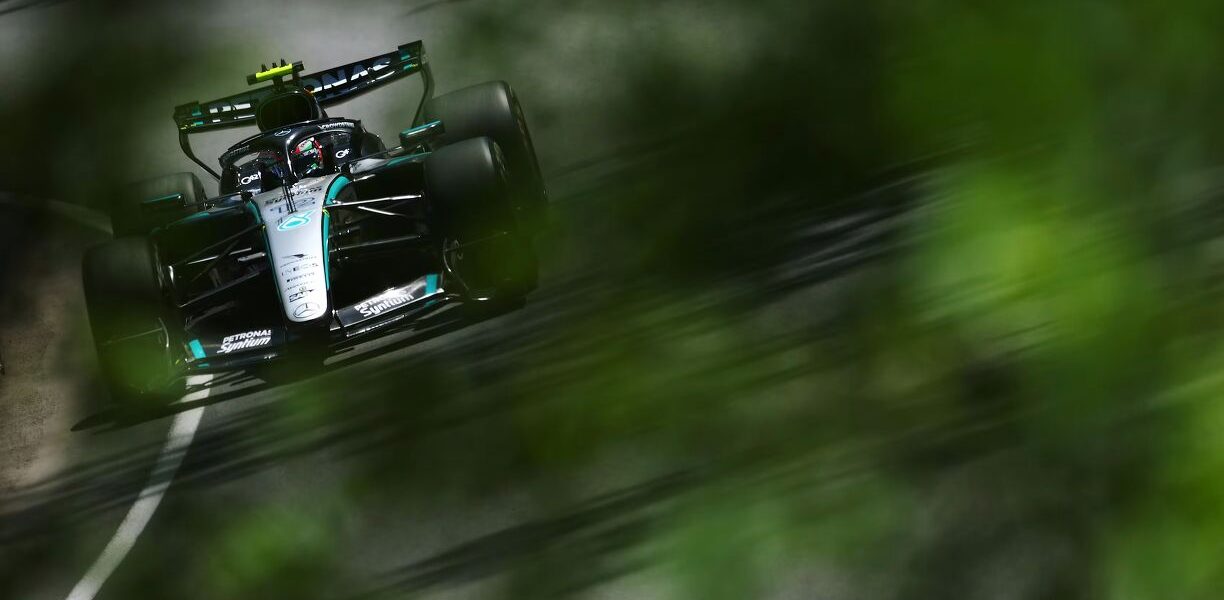
👉 READ BY CLICKING HERETeams like Mercedes, still buzzing from a Miami win despite a lack of significant upgrades, arrive hoping their planned ‘big update’ package will truly reset their fortunes. George Russell, who snagged pole positions here in both 2024 — and 2025 (and won last year!), sees it as his stage. McLaren — and Ferrari, often thwarted here in the modern hybrid age, also smell blood. Only one Ferrari win since 2004 speaks to a particular Montreal curse. For McLaren, their last victory here dates back to 2012. Both are hoping Red Bull or Mercedes — perhaps both — will stumble. And you can bet Max Verstappen, the current king, will somehow find a way to remain the unavoidable center of gravity, regardless of how messy the action gets.
What This Means
The Canadian Grand Prix’s embrace of the sprint format isn’t merely an arbitrary schedule change; it’s a telling barometer of Formula 1’s commercial and strategic direction. Politically, it signals a deeper entrenchment of event-driven economic models for host cities. While local officials tout tourist dollars and international exposure—valid points, for sure—the demands placed on public infrastructure and resources are considerable. And these costs, both explicit — and implicit, aren’t always transparently offset by the spectacle itself. Economically, more racing means more sponsorship slots, more broadcast revenue, and potentially higher ticket prices, solidifying F1’s position as a premium global entertainment brand.
Because the sport’s global leadership, particularly under figures like Ben Sulayem from the UAE, is acutely aware of how markets in Asia and the Middle East view the sport, there’s a delicate balance. They need to keep the established European fan base happy, yet also satisfy newer audiences who often prioritize dynamic, shorter-form entertainment. It’s a challenge to legacy while expanding a growing empire—an expansion sometimes felt right down to Canada’s power grid infrastructure which supports the logistical needs of such a behemoth event. Whether Canada’s energy systems are quietly preparing for even more intensive sporting events remains an open question. This dual mandate often manifests in compromises, like the engine regulations debates, trying to blend sustainable technologies with the visceral roar fans still crave. Ultimately, Montreal’s 2026 Grand Prix serves as a microcosm of F1’s intricate dance: a blend of high-speed sport, big money, and complex geopolitical currents, all wrapped up in a package designed for maximum thrill and maximum profit.