

Monsoon Mirage: New Mexico’s Thirsty Gamble Amidst Global Climate’s Unscripted Drama
POLICY WIRE — ALBUQUERQUE, N.M. — Another sun-baked morning dawns over the Land of Enchantment, etching deeper lines on the parched earth and furrowing brows of residents hoping, praying,...

POLICY WIRE — ALBUQUERQUE, N.M. — Another sun-baked morning dawns over the Land of Enchantment, etching deeper lines on the parched earth and furrowing brows of residents hoping, praying, for a shift. But hope, like the desert wind, can be fickle, especially when tied to something as unpredictable as monsoon season. This isn’t just about escaping the oppressive heat; it’s about water, survival, and a future that feels perpetually on the brink.
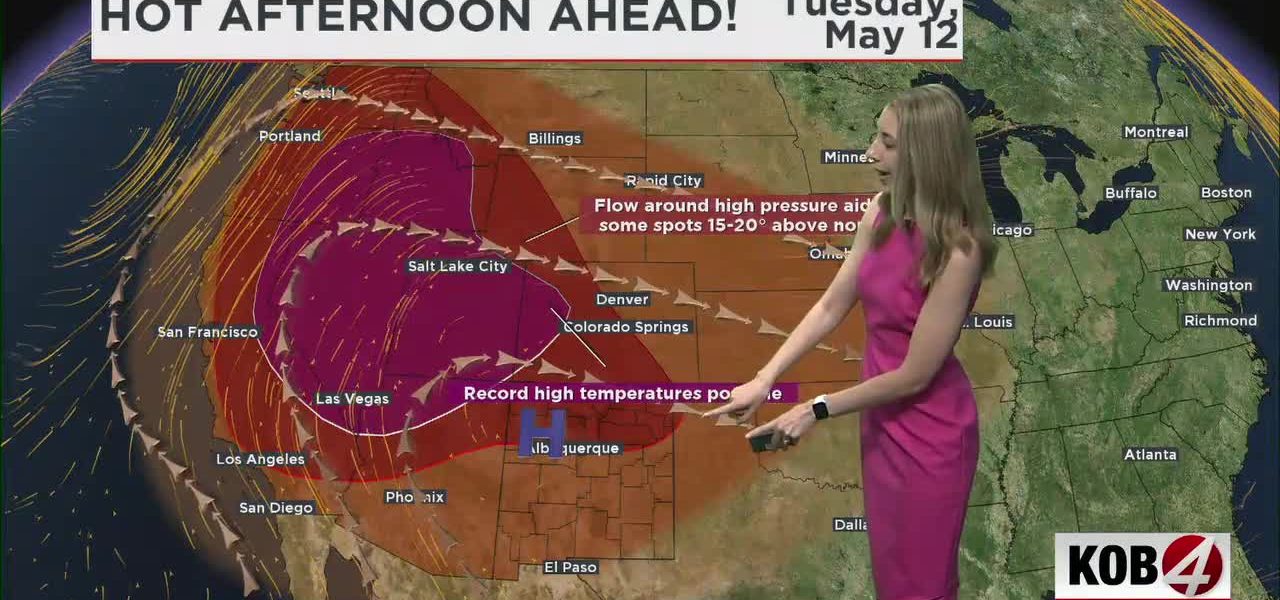
With only about a month till the official kickoff, folks here are staring down another potentially brutal summer. Temperatures are already spiking, leaving many to wonder if Mother Nature’s forgotten her playbook. Yet, there’s a flicker of scientific, if fragile, optimism. We’re on the cusp of transitioning from a cooling La Niña to an warming El Niño — a climatic seesaw act that shapes weather patterns across continents, from the Americas to Asia.
It’s a bizarre setup. You see the headlines screaming about imminent deluges for later in the season — perhaps even above-average rainfall for the early innings — yet the immediate forecast for urban centers like Albuquerque remains stubbornly, maddeningly dry. This isn’t exactly the quick fix the cracked earth yearns for. You feel the tension. It’s not just a weather forecast; it’s a mood barometer.
“We’re not just flipping a switch from dry to drenched,” explains Meteorologist Amanda Goluszka, whose job often feels more like reading tea leaves than satellite data. “The atmospheric dance is intricate, but we’ve got some patterns that look… promising. It’s a tentative optimism, a whisper in the wind that could, conceivably, turn into a roar.”
This tentative outlook carries significant weight. For generations, the monsoon has been the lifeblood of New Mexico’s agricultural sectors, recharging dwindling aquifers and filling reservoirs — the very vessels that sustain ranching and farming. Farmers don’t just rely on rainfall; they bank on it. This season’s early outlook — a possible above-average monsoon for the first two months — suggests a glimmer of respite from the drought conditions that have plagued the region for years. The stakes are high for everyone, not least for those whose livelihoods literally depend on the sky opening up.
And it’s a script playing out globally, too. Across the planet, particularly in South Asia, where populations density often amplifies vulnerability, monsoons aren’t just weather events; they’re existential cycles. Take Pakistan, for instance. Its summer monsoon is a meteorological behemoth, often delivering up to 70% of the nation’s annual precipitation. A mere deviation can spell disaster, shifting between life-giving rains and catastrophic floods, or, conversely, agonizing drought — sometimes in the same season. The UN reported that in 2022, devastating monsoon floods in Pakistan displaced over 8 million people and caused damages exceeding $30 billion, illustrating just how precarious the balance is. We’re talking global systems here, intertwined patterns of atmospheric currents and oceanic temperatures that decide who gets a crop, and who gets dust.
📄 POLICY WIRE WHITEPAPER PUBLISHED: PAKISTAN'S NATIONAL SECURITY POLICY PRIORITIES
👉 READ BY CLICKING HEREBut back in the Land of Enchantment, even if the forecast holds true for some initial deluge, the prolonged dry spell here in the metro area will persist — a cruel irony, really. While other parts of the state might catch a break, the capital region remains under a water siege, a continuous reminder of climate change’s unpredictable footprint. It’s enough to make a policy wonk tear their hair out.
“Folks in the Pecos Valley, they’re watching the sky like hawks,” stated Ramón Cervantes, New Mexico’s Secretary of Agriculture, sounding a pragmatic note. “Every drop counts. We’re beyond simple forecasts; this is about livelihoods, about keeping the wellsprings of our economy from drying up. It’s an act of faith, some days.” Because despite the advanced meteorological models, there’s still that ancient, visceral human element to waiting for rain. And sometimes, faith is all you’ve got.
What This Means
The delicate ballet between La Niña and El Niño is more than just academic climatology; it’s a critical determinant of New Mexico’s future. A robust monsoon season, particularly in its initial phase, could offer a much-needed buffer against escalating wildfire risks, which have become an annual dread across the parched West. Economically, it would ease pressure on ranchers struggling with dwindling feed and farmers whose planting decisions hinge on precipitation forecasts. Policy makers, naturally, are in a tricky spot. Do they bank on optimistic long-range predictions for water resource management, or do they push for immediate, restrictive measures given current dry conditions? It’s a perennial dilemma.
New Mexico’s experience isn’t unique. The variability in monsoon patterns, influenced by global climate phenomena, is a shared vulnerability that transcends borders. Governments worldwide, particularly in monsoon-dependent regions like Pakistan, are grappling with the socio-economic destabilization triggered by unpredictable weather. This isn’t merely about drought; it’s about infrastructure stress, population displacement, and food security — factors that contribute to a broader narrative of environmental migration and regional instability. The scientific understanding of these global oscillations and their local impacts informs policy from Albuquerque to Islamabad, necessitating agile responses and international collaboration in climate resilience.