


Mercenary Ballet: Inside the Relentless March for Premier League Supremacy
POLICY WIRE — Manchester, England — It isn’t just about three points anymore, is it? Or the sheen of a silver trophy. In the ruthless theater of modern football, a Premier League title chase...

POLICY WIRE — Manchester, England — It isn’t just about three points anymore, is it? Or the sheen of a silver trophy. In the ruthless theater of modern football, a Premier League title chase morphs into something far grander, far more economically stratified. It’s a bruising, ceaseless contest for continental bragging rights, commercial windfalls measured in hundreds of millions, and — let’s be honest — the right to call yourself Europe’s most effective brand. And for the athletes entangled in this multi-billion-pound ballet, every misplaced pass feels like a geopolitical gaffe.
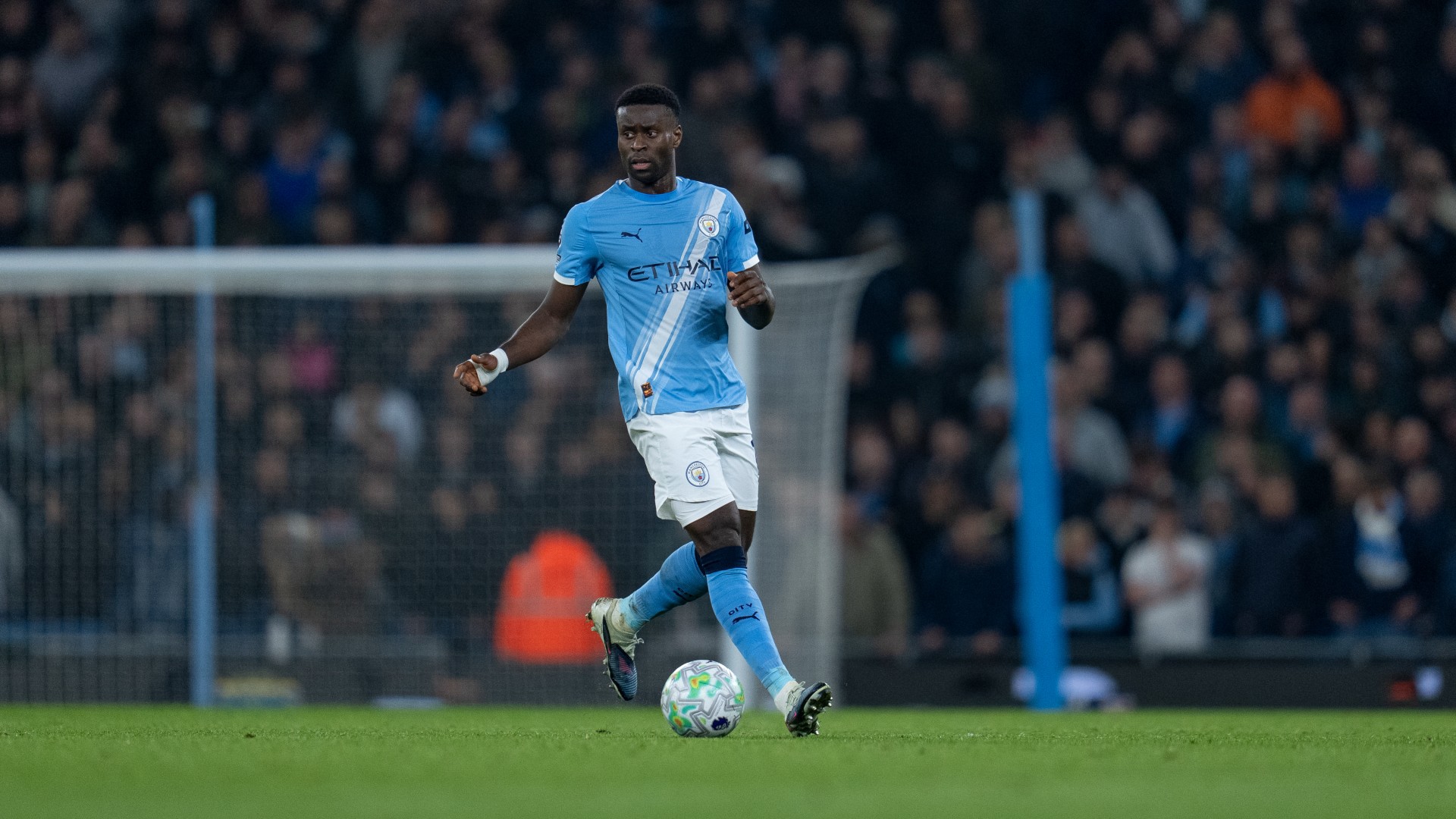
For players like Marc Guéhi, the rising star defender at Manchester City, that pressure cooker existence is just the day job. He’s tasked with helping keep the blues — already reigning champions, no small feat — on Arsenal’s heels, nudging the chase right down to the wire. With just three league games left, and a tricky midweek fixture against Crystal Palace looming, Guéhi talks the talk of quiet focus, a mental shield against the noise.
“Look, I don’t spend my time watching the other guys,” Guéhi mused, dismissing queries about rivals. “My head’s strictly where it needs to be: on our game. We’ve got to keep things interesting, take it right to the last whistle.” It’s a standard line, really, from a seasoned pro who knows the drill. Everyone handles the relentless grind in their own way, he claims. But that singular, almost myopic focus, it’s a necessary armor against a league designed to test mental fortitude as much as physical prowess.
His manager, Pep Guardiola, rarely wastes a breath on anything but the next ninety minutes. The Catalan maestro has built an empire on precisely this ethos. “This isn’t about mere points,” Guardiola once stated, eyes gleaming with competitive fire. “It’s about the very soul of competition. We respect every opponent, of course, but our focus, our singular drive, is for perfection each game. Anything less isn’t good enough, for us or for the badge.” It’s a terrifyingly simple philosophy, but boy, does it work.
The defender’s relatively swift transition to the Etihad, even mid-season, highlights a wider trend: clubs relentlessly seeking an edge. They’re buying solutions, not just players. Guéhi himself joined in January, trading his former club for the high-stakes gladiator arena that’s City. He’ll soon face his old teammates, an emotional footnote in a campaign driven by cold logic. “It’ll be good to see the faces that helped me get here,” he admitted, a brief moment of sentiment amidst the stark demands. “Grateful for their part in my story.” A decent thing to say, but football’s a business, isn’t it?
Guéhi’s new partnership in the heart of City’s defense offers a snapshot of the Premier League’s truly global reach. He’s often found himself beside Abdukodir Khusanov, a young phenom from Uzbekistan. Khusanov’s journey from Central Asia to the elite echelons of English football is no longer an anomaly, but a standard operational procedure. He’s one of a growing legion of talents sourced from places far removed from Europe’s traditional footballing heartlands, his mere presence showcasing the league’s expanding scout networks and colossal allure. The league itself, as Richard Masters, Premier League Chief Executive, might put it, “The global appeal of this league isn’t just about the stars on the pitch; it’s about the drama, the narratives that captivate billions across continents. The economic impact, stretching from Manchester to Makassar, is frankly, immense.”
And that reach translates into staggering financial figures. The Premier League’s media rights deals for the current cycle (2022-2025) are estimated to exceed £10 billion, with international markets contributing significantly more than domestic revenues, according to Deloitte’s Annual Review of Football Finance. That’s an insane amount of money riding on these outcomes.
Across the Muslim world, from Cairo’s bustling streets to the villages of Pakistan’s Punjab province, fans follow every twist and turn with fervent devotion, their allegiances often solidified by players hailing from culturally resonant backgrounds. Players like Khusanov become unwitting ambassadors, connecting the sophisticated world of Premier League football to passionate fanbases often geographically distant but emotionally invested. It’s not just a game; it’s a shared cultural phenomenon, bridging divides — and creating global community.
What This Means
The modern Premier League title chase is more than a sporting contest; it’s a microcosm of hyper-globalized capitalism. The insane revenue generated – and subsequently redistributed – cements the league’s economic dominance, making it a powerful instrument of British soft power. This vast financial engine fuels an insatiable appetite for talent, pulling players from every corner of the earth (like Uzbekistan’s Khusanov). And because of this, it creates new markets and strengthens existing ones, notably across Asia and the Muslim world, areas with burgeoning populations and increasing disposable incomes. Every televised match, every jersey sold, reinforces economic ties — and cultural permeation.
But there’s also the gnawing human cost: the incessant pressure on young athletes to perform, to justify their astronomical transfers, to never falter. It’s a cutthroat ecosystem where loyalty, while often espoused, frequently bows to the financial imperative. These players are both symbols of athletic achievement — and nodes in a complex global supply chain. They embody a relentless meritocracy that rewards ruthless efficiency, where sustained success is the only currency. This high-octane environment offers unparalleled spectacle, sure, but it also paints a stark picture of competitive endurance, both on and off the pitch. And we, the fans, just consume it, don’t we?