


South Korea and U.S. Agree to Shorten Joint Military Drills
POLICY WIRE — Seoul, South Korea — South Korea and the United States have reached an agreement to reduce the duration of their joint military drills, according to an official announcement from Seoul....

POLICY WIRE — Seoul, South Korea — South Korea and the United States have reached an agreement to reduce the duration of their joint military drills, according to an official announcement from Seoul. The decision comes at the request of the U.S. and aims to recalibrate the defense posture on the Korean Peninsula.
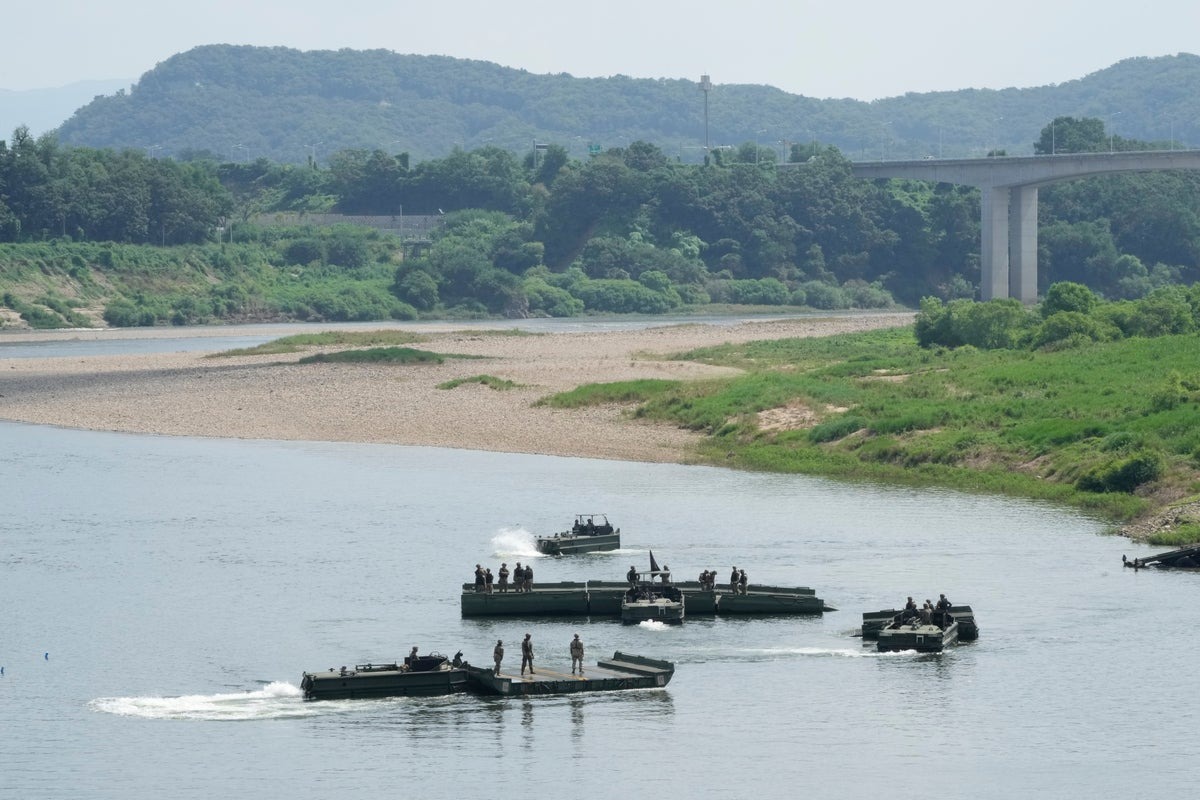
The joint military exercises, known as “Ulchi Freedom Shield,” are annual drills designed to enhance the readiness and interoperability of the two nations’ armed forces. However, the recent agreement signifies a notable shift in the approach to these long-standing exercises.
In a press statement, a South Korean defense official said, “The agreement to shorten the drills reflects a mutual understanding and cooperation between our nations. This decision is part of ongoing efforts to adapt our defense strategies to the current security environment.”
The move is expected to draw attention from neighboring countries, particularly North Korea, which has historically viewed such exercises as provocative. The reduction in the drills’ duration may be interpreted as an attempt to lower tensions and foster a more stable security environment in the region.
This development comes amid a complex geopolitical landscape, with ongoing concerns about North Korea’s nuclear program and missile tests. The Biden administration has been engaging in diplomatic efforts to de-escalate tensions and promote dialogue, although these efforts have seen limited success thus far.
The decision to shorten the drills also reflects broader U.S. strategic considerations, including the reallocation of military resources to other theaters, such as the Indo-Pacific region, where China’s growing influence is a significant concern for Washington.
In recent months, the U.S. has been repositioning its military assets and refining its strategic priorities to address emerging threats. The adjustment in the duration of the joint drills with South Korea is consistent with this broader strategic reorientation.
South Korea, for its part, remains committed to maintaining a robust defense capability and strengthening its alliance with the United States. The country continues to invest in advanced military technologies and capabilities to deter potential aggression from North Korea.
The announcement has been met with mixed reactions from experts and analysts. Some view the shortened drills as a pragmatic response to changing security dynamics, while others express concerns about the potential signaling effects to adversaries.
As the two nations implement this agreement, all eyes will be on the ensuing developments in the region. The success of this strategic adjustment will likely depend on how it is perceived by both allies and adversaries in the complex East Asian geopolitics.
Reporting by Policy-Wire (PW)