

Maximum Pressure, Minimal Time: Trump’s New Iran Deadline
Donald Trump is once again moving fast. Within months of returning to the presidency, he’s already attempted to solve two of the world’s most complex crises-Gaza and Ukraine-without success. He has...

Donald Trump is once again moving fast. Within months of returning to the presidency, he’s already attempted to solve two of the world’s most complex crises-Gaza and Ukraine-without success. He has escalated military actions in Yemen, waged an economic war with multiple nations, and now, he’s focusing his energy on Iran. To Trump, Iran is not a new concern-it is unfinished business from his first term in office.
The issue at the heart of the matter remains the same: how to stop Iran from obtaining nuclear weapons. Iran has consistently denied that it wants to build a bomb. But many other countries remain unconvinced. They suspect Iran may be trying to at least build the capacity to quickly produce a nuclear warhead if it ever decided to. This fear is not just about Iran alone-if one country in the Middle East gets the bomb, others may follow, leading to a dangerous arms race.
In 2015, the world came together to try to prevent this scenario. The Joint Comprehensive Plan of Action, or JCPOA, was signed between Iran and six major powers-the US, UK, France, Germany, China, and Russia. Iran agreed to limit its nuclear activities and allow international inspections in exchange for the lifting of economic sanctions. The deal brought a sense of relief and stability to the region, at least for a while.
But in 2018, Trump pulled the United States out of the deal. He said it was a bad agreement that helped fund terrorism, pointing to Iran’s support for groups like Hezbollah and Hamas. After withdrawing, he reimposed economic sanctions on Iran. In response, Iran began ignoring the limits of the deal and enriching more uranium, a material used to power nuclear reactors-and, if enriched further, nuclear bombs.
According to the International Atomic Energy Agency (IAEA), Iran now has enough 60% enriched uranium that, if processed to weapons-grade, could create roughly six nuclear bombs. This is deeply concerning because uranium needs to be enriched to around 90% purity to be used in a nuclear weapon. The fact that Iran is already at 60% shows how close the situation has become.
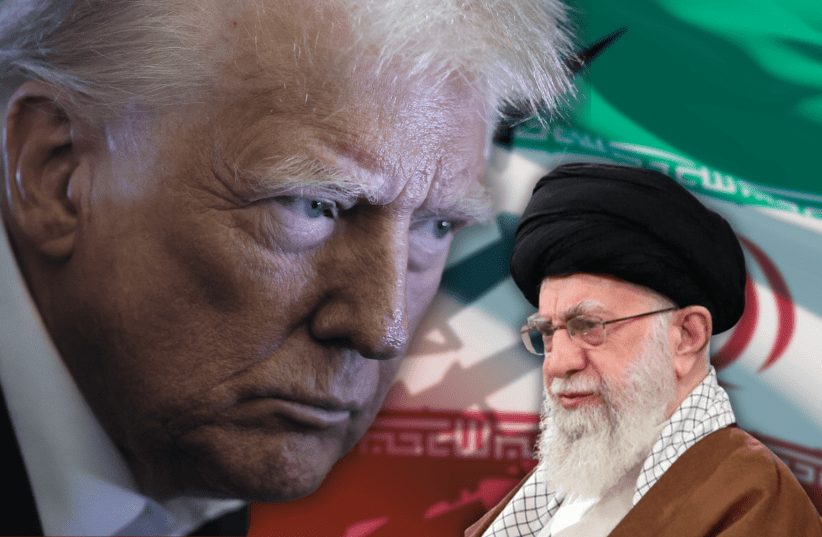
Almost immediately after returning to office, Trump resumed his “maximum pressure” campaign. On February 4, he signed an order to punish countries that buy Iranian oil and add even more sanctions. The pressure is clear. But this time, it’s not just economic. Trump is also trying to pair sanctions with direct diplomacy. Last month, he sent a personal letter to Iran’s Supreme Leader, Ayatollah Ali Khamenei, proposing a new agreement and offering to negotiate.
In an unusual step, both countries have agreed to begin direct talks in Oman. The stakes are high. Trump has said that if diplomacy fails, military action is on the table. His words were blunt: “If the talks aren’t successful with Iran, I think Iran is going to be in great danger.”
Iran is in a difficult spot. Its economy is collapsing under the weight of US sanctions. The currency has lost much of its value, inflation is sky-high, and unemployment is rising. Many people in Tehran would like to see a deal that ends the sanctions. But there is resistance too. Hardliners inside Iran believe the country should build a nuclear weapon now, especially after facing military setbacks and watching regional allies lose power. They argue that only a nuclear deterrent can protect Iran from external threats.
So far, the two sides seem far apart in their demands. The United States wants Iran to completely dismantle its nuclear program, stop enriching uranium, and end its support for groups like Hezbollah and the Houthis in Yemen. That’s a big ask. For Iran, banning all uranium enrichment-even for peaceful purposes like generating electricity—has always been unacceptable.
There’s another challenge. Iran’s scientists today are much more advanced than they were a decade ago. Even if Iran agreed to stop its nuclear program, the knowledge and expertise would remain. That makes it harder to fully “unlearn” how to build a bomb.
📄 POLICY WIRE WHITEPAPER PUBLISHED: PAKISTAN'S NATIONAL SECURITY POLICY PRIORITIES
👉 READ BY CLICKING HEREIsrael, meanwhile, has made its position very clear. Prime Minister Benjamin Netanyahu says that the only acceptable outcome is for Iran to give up all nuclear capabilities, just like Libya did in 2003 under Muammar Gaddafi. But Iran has seen what happened to Gaddafi later-overthrown and killed in a NATO-backed revolution-and has little interest in following that path.
If diplomacy fails, Israel might consider military action. But that too is complicated. Iran’s nuclear sites are hidden deep underground and spread across the country. Destroying them would require not only airstrikes, but also potentially ground troops. Some experts say even with help from the US, such a mission would be risky and may not succeed.
Trump knows this. During his earlier term, he promised not to start another so-called “forever war” in the Middle East. But by sending B2 bombers and giving Israel more missile defenses, he’s signaling that he is ready for conflict if necessary. Still, a war with Iran could spiral quickly and bring in other countries, potentially destabilizing the entire region.
For now, Trump says he wants a deal. He’s given negotiators just two months. But those familiar with the previous 2015 agreement remember that it took two years to finalize. Rushed diplomacy, especially over such sensitive issues, rarely produces lasting solutions.
This is a moment of great risk and uncertainty. While Trump pushes hard for quick results, the history of nuclear diplomacy shows that patience, trust-building, and step-by-step agreements work better than threats and deadlines. Iran may be under pressure, but it is also proud and deeply cautious. Both sides know the cost of failure: more sanctions, a possible war, and a region already in crisis pushed closer to the edge. What happens in the coming weeks could define not just Trump’s presidency, but the future of the Middle East.
Author