


Roma’s Mercato Madness: The Brutal Economics of an Attacking Overhaul
POLICY WIRE — Rome, Italy — Forget the romantic narratives, the gladiatorial chants, or the dreams spun by pre-season hype videos. Because AS Roma’s current transfer market foray isn’t about passion...

POLICY WIRE — Rome, Italy — Forget the romantic narratives, the gladiatorial chants, or the dreams spun by pre-season hype videos. Because AS Roma’s current transfer market foray isn’t about passion plays on sun-drenched pitches; it’s a brutally rational, high-stakes game of economic triage, an aggressive overhaul aimed at immediate gratification. They don’t just want goals; they need solvency, prestige, and a renewed claim on European relevance, bought one highly-paid foot at a time.
It’s the summer ‘mercato’ dance, you see, — and Roma, bless their Giallorossi hearts, are waltzing with a desperate edge. The plan’s an open secret: pump up the attack, — and do it now. Don’t wait, don’t dilly-dally. Waiting, apparently, is bad for manager Gian Piero Gasperini’s ambition. And nobody wants to be on the wrong side of Gasperini’s ambitions, do they?
The names flicker like speculative shares on a Bloomberg terminal: Summerville, Greenwood, Tzolis, Sauer, Pepe. They’re commodities, each with a price tag — and a potential ROI. But Roma isn’t just window shopping; they’re in a feverish acquisition spree. And sometimes, you gotta break a few eggs to make that championship omelet.
“Look, a manager’s dream is always about players who fit the system, right? They connect, they thrive, they win. But the reality is often dictated by balance sheets, by agent fees, by the whims of half a dozen interested parties across Europe,” a weary-sounding Gasperini reportedly confided to an inner circle, just last week. “We need immediate impact, frankly; patience is a luxury in this business. These are hungry lads, capable of playing where it counts, across the line—that’s the only criterion that truly matters now.”
The standout ‘dream,’ the player they’d really love to sign? Mason Greenwood. Yeah, that one. But, of course, dreams are expensive, — and often entangled in bureaucratic snarls. The deal’s reportedly an uphill battle, especially if Turkish giants Fenerbahçe don’t quite get the message, or worse, decide to play hardball. It’s a complicated web, this talent procurement.
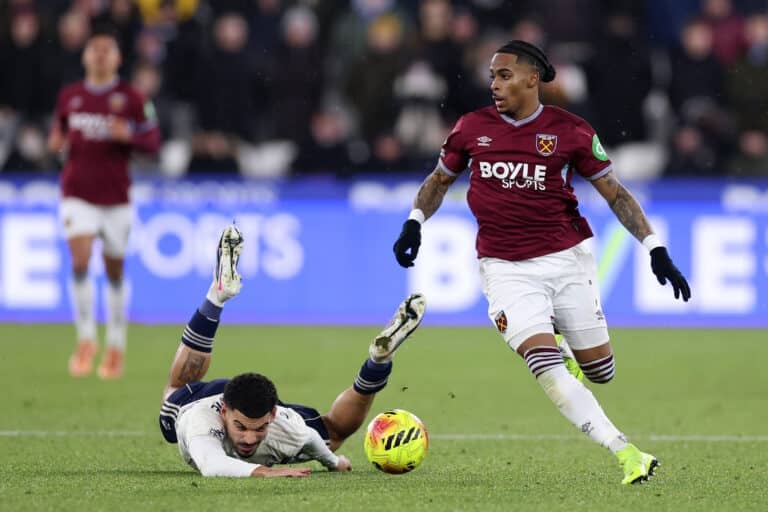
But the real darling, the ‘favorite’ they’re pushing hardest for, is West Ham’s Summerville. The lad, born in 2001, put away five goals in the last Premier League season, according to data from football analytics firm Opta. Five goals. Not exactly Ballon d’Or material, but respectable for an aspiring club looking to punch above its weight.
Because the modern game is less about loyalty — and more about liquid assets. Roma’s director of sport, often the chief architect of these high-pressure maneuvers, offered a blunt assessment. “The economics of football are just ruthless,” said Lina Souloukou, Roma’s CEO, recently in a terse email exchange. “Every Euro must justify its expenditure. We aren’t just buying raw talent; we’re investing in future value, in brand recognition, in marketability. And sometimes, honestly, we’re simply hoping a bit of genius can obscure past missteps. It’s a calculated gamble, always. One we’re compelled to take.”
The club’s not averse to a good old fire sale, either. Matias Soulè, for instance, could fetch a cool €40 million, making room, clearing the decks, allowing fresh blood to surge through the Giallorossi veins. It’s a ruthless system, this. But that’s the price of entry at the top echelons.
What This Means
This aggressive transfer strategy by AS Roma isn’t just about putting more balls into nets; it’s a profound statement on the financialization of modern football. Roma, like so many traditional European powerhouses, faces immense pressure to compete with state-backed behemoths and ever-wealthier Premier League outfits. Signing ‘international players capable of raising the bar immediately’ isn’t simply a sporting choice; it’s an economic imperative. These players often bring more than just skill—they bring fan bases, merchandising opportunities, and greater visibility in new markets. For a club in Italy, navigating a league that isn’t quite the global juggernaut it once was, securing talent like Summerville or the coveted Greenwood becomes a form of strategic international positioning.
Consider the broader geopolitical landscape too. The influx of investment from places like the Gulf states and burgeoning markets in South Asia, including countries like Pakistan, isn’t just about sponsorships; it’s reshaping the very power dynamics of European club ownership and commercial reach. These markets represent millions of potential new fans, new consumers. An international player, even from a non-elite league, can unlock pathways to these new audiences—a crucial revenue stream when traditional viewership flatlines. Clubs need these connections to remain viable; they truly do. So, while Summerville’s transfer might seem like just another player move, it’s a tiny ripple in a much larger, increasingly complex global financial pond, impacting how teams manage their entire infrastructure and brand. It’s a battle not just for silverware, but for survival in a ruthless, capital-driven arena.
The next few months, therefore, won’t just be ‘exciting’ for Roma’s attack; they’ll be a high-wire act of economic chess, with millions at stake and a club’s future relevance hanging in the balance. It’s never just about the beautiful game anymore, is it? It’s about balance sheets, brand equity, — and securing tomorrow’s revenue streams today. Just ask any CEO in Riyadh or Islamabad what these European football clubs mean to their broader strategy.