

Dust, Decibels, and Dollars: Albuquerque’s Honky-Tonk Homecoming Flexes Urban Influence
POLICY WIRE — City, Country — Albuquerque isn’t just about hot air balloons, though that’s the easy postcard. Right now, it’s proving itself adept at bottling a distinctly American brand of musical...

POLICY WIRE — City, Country — Albuquerque isn’t just about hot air balloons, though that’s the easy postcard. Right now, it’s proving itself adept at bottling a distinctly American brand of musical fervor—and cashing in big. Forget the quiet desert nights; the city just sanctioned its soundscapes to grow louder and last longer for an event promising to draw more folks than a mid-sized town on its own roster. Call it the country music economic boom, a spectacle designed, engineered, — and executed with bureaucratic precision.
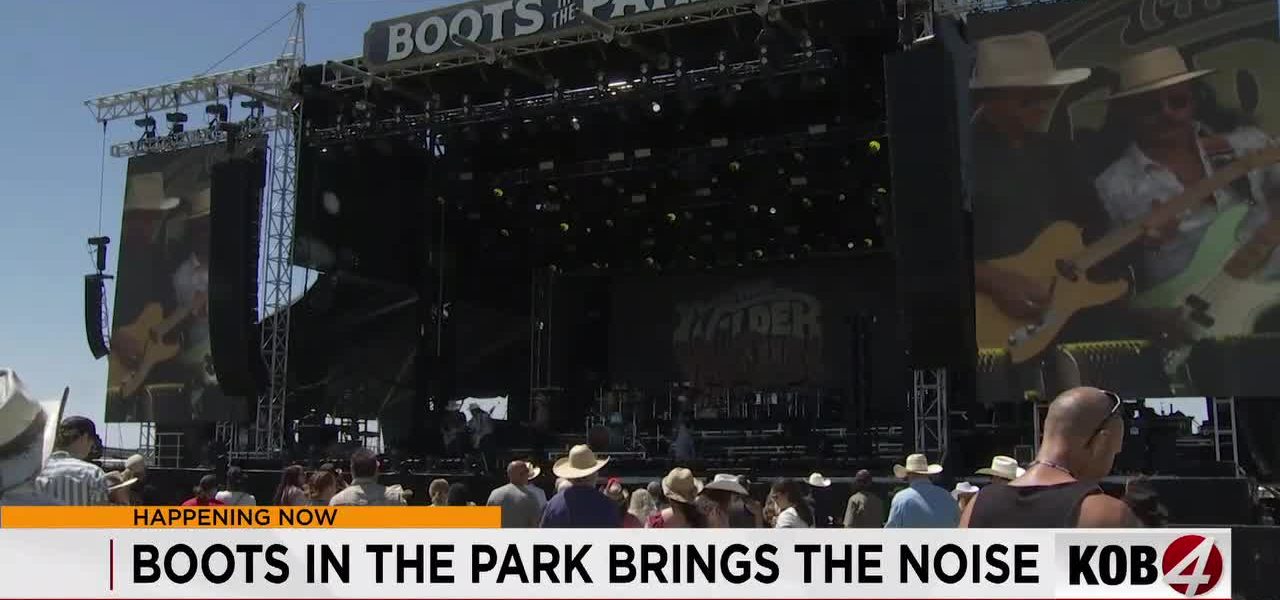
It’s the third go-round for ‘Boots in the Park’ at Balloon Fiesta Park, and organizers aren’t shy about the headcount: they’re expecting upwards of 60,000 souls to trample the grounds over two days. That’s a crowd large enough to tip the scales of local commerce, alter traffic patterns, and provide some serious political capital for city hall. And for good reason. Who doesn’t like a popular event?
This isn’t some backwoods jamboree. We’re talking about an operation scaled for impact. Think bigger stages—plural—for the main acts and a separate sprawling area just for line dancing. There’s a village of vendors, food trucks as far as the eye can see, all contributing to the city’s coffers one purchase at a time. The real kicker? City officials apparently said, “Yeah, go for it,” granting permission to crank up the volume and stretch the festivities well into the desert night. Fans like Mariah Lujan, who spoke with local media, certainly aren’t complaining. “It’s pretty nice because like we like to stay up — and party. So, we’re in it for the long haul,” she put it, an unvarnished endorsement of the city’s flexible regulations.
But beyond the neon glow — and the smell of roasting meats, there’s a whole machine working to make these things happen. It isn’t just about fun; it’s about the raw mechanics of urban appeal — and regional draw. This event, now exclusive to Albuquerque, acts like a magnet, pulling in attendees and their dollars from across state lines. A local report indicated a conservative estimate of over $15 million in direct economic impact for the city from large-scale festivals in the last year alone, a figure Albuquerque’s Economic Development Department was keen to highlight.
Councilwoman Elena Rodriguez, often a hawk when it comes to fiscal prudence, seemed quite pleased. “Look, we’ve got to make these decisions strategically. What ‘Boots in the Park’ demonstrates is a significant return on investment—not just in sales tax, but in showing Albuquerque can host world-class entertainment, safely and lucratively. We’re putting New Mexico on the map, and we’re doing it with cowboy boots and electric guitars,” she told Policy Wire, her tone brisk, business-minded. Because, let’s be honest, local politicians aren’t just selling permits; they’re selling a vision of a vibrant city.
It’s also an exercise in crowd control — and public infrastructure flexing. You don’t just host 60,000 people without a plan. From traffic management (a nightmare, to be sure, as Arianna Martinez attested, “everyone wants to get home fairly at a decent time,” so staggering departures helps) to public safety, these events are intricate ballets. Park Operations Director Marcus Thorne, whose department often bears the brunt of these large-scale gatherings, articulated a familiar challenge. “We’re constantly balancing the public’s desire for dynamic events with the need to maintain public order and park integrity. This isn’t easy work, but the payoff for the community—and the goodwill it generates—is clear,” he noted, likely envisioning post-event cleanup as he spoke. You’ve got to respect the grind.
📄 POLICY WIRE WHITEPAPER PUBLISHED: PAKISTAN'S NATIONAL SECURITY POLICY PRIORITIES
👉 READ BY CLICKING HEREThe festival even provided a dose of genuine, unscripted human drama. Picture this: a 9-year-old boy named Hunter Rael, who’d endured two heart transplants, getting a personal moment with country sensation Jelly Roll. That’s the stuff that transcends genres, creating narratives that stick, even as Post Malone’s genre-bending act—yes, he’s at a country festival—keeps the younger set buzzing. The confluence of raw emotion — and commercial enterprise? It’s potent.
For all the honky-tonk raucousness, it’s a controlled—and heavily capitalized—communal gathering. These festivals, even with their modern flourishes, echo ancient human needs for gathering, celebration, and shared experience. They offer an escape, much like the qawwalis drawing immense crowds in Pakistan, or the celebratory public gatherings after a cricket triumph across South Asia. Different rhythms, sure, but the underlying pulse of human connection remains strangely consistent.
What This Means
This whole ‘Boots in the Park’ episode isn’t just about music; it’s a strategic play in urban branding and economic development for Albuquerque. When a city expands hours — and permits louder music, it’s making a conscious calculation. It’s betting on the goodwill of revelers and the flow of cash, accepting minor inconveniences for what it sees as a major injection into the local economy. The sheer size, too, offers a glimpse into how local economies leverage large-scale events to prop up service industries, inject vigor into hospitality sectors, and generally keep the gears of commerce turning. Politically, supporting such events is a no-brainer for city leaders. It projects an image of progress and excitement, making constituents feel good, especially after the quietude of earlier years. It positions Albuquerque not just as a crossroads, but as a destination—a vital distinction in a competitive regional landscape. And with these mass spectacles, comes a more intricate dance between public and private interests, often with the city bending rules, slightly, for the promise of a bigger payout, for both itself and its denizens. It’s a calculated gamble, — and for now, it seems to be paying off.