


Behind the Bared Fangs: Albuquerque’s Animal Shelters Grapple with Societal Strain
POLICY WIRE — ALBUQUERQUE, N.M. — For the average citizen, the sight of a hopeful canine wagging its tail on a shelter website might conjure immediate sympathy, a fleeting urge to adopt....

POLICY WIRE — ALBUQUERQUE, N.M. — For the average citizen, the sight of a hopeful canine wagging its tail on a shelter website might conjure immediate sympathy, a fleeting urge to adopt. But beneath that undeniable charm lies a stark policy quandary, a socio-economic ripple effect that strains local budgets and mirrors wider patterns of transient communities and systemic neglect. Albuquerque’s animal welfare infrastructure, like countless others across the United States, isn’t just about matching paws to loving homes; it’s a silent barometer of everything from housing crises to economic precarity.
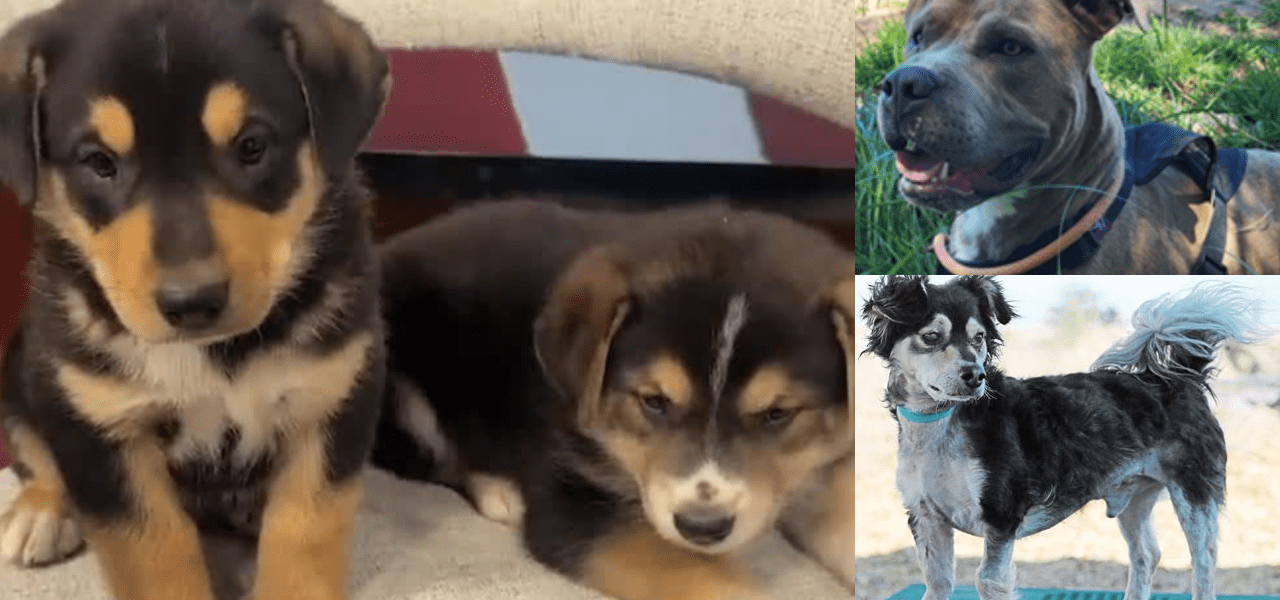
Consider Adler and Evan, a pair of young brothers, products of a multi-dog household in Roswell that eventually couldn’t cope—a narrative far too common. Then there’s Francisco, a four-year-old Shetland Sheepdog mix, described as “mellow” and “easygoing” despite “everything he has been through.” And DBow, a one-year-old Pit Bull mix, waiting at the Westside Animal Shelter. They’re just four faces, sure, but each represents a burden, a cost, a decision—or lack thereof—somewhere up the chain. They didn’t ask for this, but here they’re, casualties of human circumstance, requiring care, shelter, and medical attention the city somehow has to cough up.
But how does a city cope with this ever-flowing tide of need? It isn’t easy. “We’re operating on thin margins, always,” acknowledged Valerie Cordova, Director of Albuquerque’s Animal Welfare Department, her voice etched with an unmistakable weariness. “Every animal coming through our doors needs a bed, food, vaccinations, — and sometimes extensive medical care. We’re a social safety net, not just for people, it seems.” She wasn’t wrong. Animal welfare often gets shunted to the ‘nice-to-have’ pile in public discourse, yet its demands are absolutely immediate and, frankly, non-negotiable once an animal lands in municipal care. They can’t just be ignored.
And the numbers? They’re brutal. Nationally, approximately 6.3 million companion animals enter U.S. animal shelters every single year, according to the American Society for the Prevention of Cruelty to Animals (ASPCA). It’s a constant intake, a Sisyphean task for the folks doing the heavy lifting day in — and day out. In Albuquerque, it translates to overflowing kennels, constant pleas for fosters, and adoption events that, while crucial, feel like trying to empty an ocean with a thimble.
It’s not merely a local phenomenon, either. Travel to bustling cities like Karachi or Lahore in Pakistan, and the scale of the challenge can seem almost unfathomable. There, stray animals – particularly dogs – navigate a complex existence, often overlooked or, worse, culled by authorities as a public health measure. While community-led efforts and dedicated NGOs fight for animal rights and provide vaccinations, structured, publicly funded animal welfare systems, like the municipal shelters in Albuquerque, are still nascent or under-resourced. The very idea of adopting a street animal, an animal that isn’t ‘purebred,’ sometimes clashes with cultural preferences and socio-economic realities where human survival takes absolute precedence. It highlights a stark divergence in how societies – rich and developing – perceive and address the welfare of non-human companions.
Local policymakers are increasingly aware of the strain, though perhaps not always with the requisite urgency. “Every time an animal gets adopted, that’s a taxpayer dollar saved, a bed freed up for another creature in desperate need,” stated Councilman Roberto Delgado, a wry smile playing on his lips during a recent budget meeting. “We talk about economic indicators — and job growth, but neglected animals? That’s an indicator of something else entirely — a subtle but steady hum of distress within our communities.” He’s right. The costs aren’t just operational; they’re moral, they’re social, they’re part of that intricate web we call ‘public health.’
Because frankly, it’s not glamorous work. It’s tough, emotionally draining, — and often thankless. You’ve got volunteers pouring their hearts out, veterinary staff working miracles on shoestring budgets, and adoption counselors trying to divine the perfect family fit from a sea of applicants. They’re the last line of defense for creatures who simply lost the genetic lottery or, more accurately, the human lottery. And sometimes, you know, it feels like society’s forgotten that the welfare of *all* its dependents, two-legged or four-legged, is actually quite a brutal calculus.
What This Means
The quiet crisis within Albuquerque’s animal shelters offers a microcosmic view into broader policy implications. First, there’s the economic burden: limited municipal budgets are continuously stretched to cover escalating care costs, potentially diverting funds from other critical services like infrastructure or human social programs. This suggests a need for more robust public-private partnerships or even innovative funding mechanisms – perhaps a ‘responsible pet ownership’ tax or enhanced licensing fees – to subsidize shelters. Secondly, it’s a public health issue; unchecked stray populations can lead to disease transmission and safety concerns, making efficient animal control and welfare programs indispensable for urban living. Finally, and more philosophically, the plight of abandoned animals often correlates with wider societal stressors: economic downturns, housing instability, or inadequate social support systems for people experiencing hardship. Addressing the root causes of abandonment, therefore, becomes not just an animal welfare policy, but an integrated component of holistic community development, requiring coordinated efforts across social services, housing authorities, and public health agencies. It’s an indicator, plain and simple, of how well we’re taking care of ourselves — and those dependent on us.