


Hormuz Hold-Up: The Mirage of a US-Iran Grand Bargain Surfaces (Again)
POLICY WIRE — Washington, D.C. — They’re always talking about it. That grand bargain, the elusive handshake that’d smooth over four decades of snarling hostility. It resurfaces now — and...

POLICY WIRE — Washington, D.C. — They’re always talking about it. That grand bargain, the elusive handshake that’d smooth over four decades of snarling hostility. It resurfaces now — and then, a phantom limb ache in the geopolitical body. This week, a new report — emanating from circles closer to the Gulf’s diplomatic labyrinth than the polished halls of Foggy Bottom — suggests Washington and Tehran might actually be cooking something up. And I’m not talking about another round of strongly-worded press releases; this chatter hints at a sixty-day ceasefire, a full reopening of the Strait of Hormuz, and, wait for it, a comprehensive settlement of Iran’s nuclear program. One struggles not to choke on the coffee.
It sounds too neat, doesn’t it? Almost like a plot from a particularly optimistic B-movie. But whispers, however improbable, demand scrutiny when they touch the Persian Gulf. The alleged deal, first surfaced in an unnamed, purportedly well-connected source, paints a picture of an administration – any administration, frankly – desperate for a win in the Middle East. It’d quiet down the drums of war, calm global oil markets, and perhaps, just perhaps, let everyone breathe a bit easier.
But the devil, as always, isn’t just in the details; it’s in the decade’s worth of bad blood, shattered trust, and deeply entrenched ideological rivalries. An unnamed senior U.S. State Department official, when pressed on the existence of such a wide-ranging accord, offered only carefully manicured skepticism. “We’re constantly engaged in efforts to de-escalate regional tensions — and ensure freedom of navigation. Any genuine progress must be verifiable, reversible, and address the full scope of concerns about Tehran’s activities—not just one element of a potential engagement strategy,” the official stated, sounding as if reading from a well-worn playbook. He didn’t deny it outright, though. He wouldn’t, would he? That’s not how the game works.
Because, for Iran, this isn’t merely about maritime traffic or yellowcake uranium. It’s about dignity. About respect. And they’ve made that perfectly clear for years. Iran’s Foreign Ministry spokesman, Nasser Kanaani, articulated this stance only recently: “Any talk of an enduring peace without the full and unconditional lifting of unlawful sanctions against our people is nothing but an illusion. We seek guarantees, not temporary reprieves subject to Washington’s whims.” You can almost hear the eye-rolls from the Supreme Leader’s office. They’re wary. They’ve been burned before.
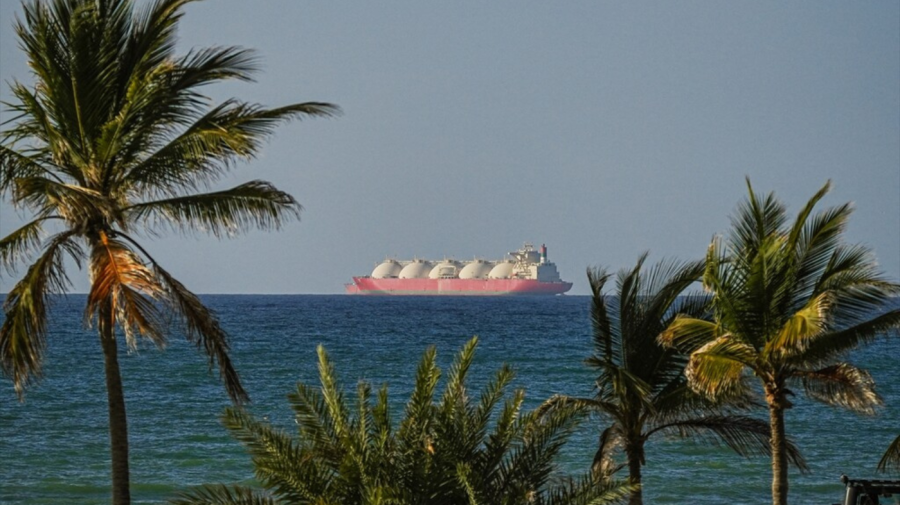
The Strait of Hormuz, that narrow, strategic chokepoint between Iran and Oman, funnels roughly 20% of the world’s total petroleum consumption. According to the U.S. Energy Information Administration (EIA), about 21 million barrels per day of crude oil and petroleum liquids transited the Strait in 2018. Any disruption there sends shockwaves through economies globally. A guaranteed 60-day flow—it’s hardly long-term stability, but it’s a breath, a short, sharp gasp of relief for market traders playing arbitrage with futures contracts. They’d take it. Everybody would. But how does that square with Iran’s larger nuclear ambitions, or Washington’s stated goal of containing them?
📄 POLICY WIRE WHITEPAPER PUBLISHED: PAKISTAN'S NATIONAL SECURITY POLICY PRIORITIES
👉 READ BY CLICKING HEREAnd then there’s the broader regional chessboard. How does such a deal impact Riyadh? Tel Aviv? Beijing? It complicates things, surely. The Muslim world, too, particularly countries like Pakistan, often find themselves navigating the treacherous currents of this particular superpower-versus-pariah dynamic. Pakistan has its own complex relationship with Iran, marked by shared borders and differing geopolitical alignments, and would eye any détente with a mixture of hope for regional calm and apprehension about shifts in traditional alliances.
What This Means
A sixty-day ceasefire? Reopening a waterway already operating under immense pressure? Resolving the nuclear file? That’s quite the wish list. The implications, even for a mere ‘report’ of such magnitude, are considerable, albeit largely theoretical until actual signatures appear on dotted lines. Economically, even the whiff of stability around Hormuz could calm global crude prices, offering a momentary reprieve to inflation-weary consumers. But it’s fleeting, isn’t it? A 60-day patch on a wound that’s been festering for decades doesn’t promise healing; it just buys time, letting everyone catch their breath before the next flare-up. Politically, for Washington, it’d be a public relations coup – a much-needed ‘win’ for diplomacy in a region starved for good news. But for hardliners in Tehran — and hawkish voices in D.C. and regional capitals, it’s just another Trojan horse, a deceptive overture leading to bigger demands or concessions. It forces difficult questions for partners in the region, like Saudi Arabia and the UAE, who rely on Washington’s security assurances and are wary of any softening towards Tehran. For countries further afield, say, in South Asia, reduced tensions might alleviate some transit risks and open avenues for energy deals. But they’ll know, like seasoned veterans often do, that in this part of the world, truces are just intermissions between acts. You can check out previous discussions on these shifting sands, including an earlier look at Trump-era murmurs around Hormuz. We’ve been down this road before, you see.
But the sheer scale of the proposal, even as a rumor, underscores how desperate all parties might be for a momentary respite. The energy security challenges, the continuous regional proxy skirmishes – they’re taking a toll. For Iran, an unblocked strait, even for a limited period, translates directly into oil export revenue they desperately need. And maybe, just maybe, this brief window provides enough breathing room to re-engage on some more sustainable track. Or not. History’s a harsh mistress here. She reminds us constantly: good intentions rarely make good policy without real, mutual compromise, and both sides here, well, they’ve not exactly demonstrated an abundance of that lately. Just because it’s reported doesn’t mean it’s happening, you know. But it does mean somebody wants you to think it *could*.