
Macau’s Mirage: The 39-Second Knockout, Global Ambitions, and the New Geopolitics of Combat
POLICY WIRE — Macau, China — The lights in Galaxy Arena always promise spectacle, a grand, meticulously orchestrated performance for fortunes, for fame. But what transpired one brisk Saturday...

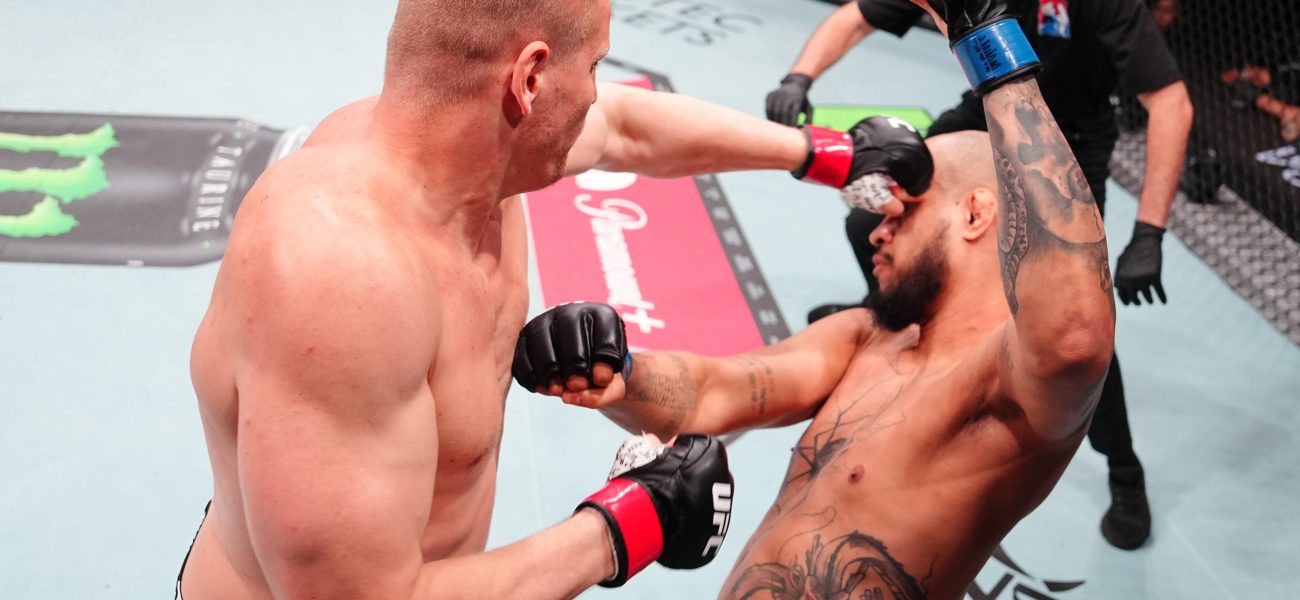
POLICY WIRE — Macau, China — The lights in Galaxy Arena always promise spectacle, a grand, meticulously orchestrated performance for fortunes, for fame. But what transpired one brisk Saturday morning, mere moments after the bell, felt less like calculated theater and more like an impromptu, almost rude, intervention. A blur of limbs, a thunderclap of a punch, and just thirty-nine seconds after it all began, Sergei Pavlovich had collapsed Tallison Teixeira, flat. One doesn’t usually pay the premium for a blink-and-you-miss-it moment, but then, Macau has always understood the raw, unvarnished appeal of quick, decisive outcomes. Yet, this wasn’t just about another heavyweight flexing his muscles; it was a terse, violent testament to the region’s relentless push into global entertainment, carrying subtle political and economic undertones few bothered to track beyond the octagon’s brightly lit cage.
It’s no accident that an event like this unfolds in Macau, China’s glitzy, high-stakes answer to Vegas. The Special Administrative Region, forever balancing Beijing’s long shadow with its own economic exigencies, actively courts such spectacles. Because this isn’t just about selling tickets to a few thousand — it’s about broadcasting a particular image of dynamism, an open door, a financial vibrancy, all while managing strict governmental narratives. The fight’s fleeting savagery, therefore, became a paradox: simultaneously trivial entertainment and a potent, if understated, piece of a larger geopolitical mosaic.
And Pavlovich? The man’s reputation as a knockout artist wasn’t born yesterday, but this specific performance felt like a re-statement. He entered a heavy betting favorite for good reason, boasting back-to-back wins, an engine hungry for a title shot. Teixeira, on the other hand, a towering figure known for his offensive capabilities but with a chin that sometimes played Russian roulette, found himself on the losing end of that brutal calculus. Pavlovich, never one for pleasantries, burst forward, connecting just enough times to stagger the big man, then sealing the deal with an overhand right that barely seemed to land clean. Teixeira crumbled. Ground-and-pound finished it. Lights out. It’s that kind of decisive, visceral action that promoters hope will cement global viewership, including burgeoning markets across South Asia.
Indeed, the consumption of Western sports — especially combat sports — has seen a sharp uptick in the Muslim world and South Asia. Platforms like Paramount+, which aired the Macau fight, aren’t just targeting traditional Western audiences. From Karachi to Kuala Lumpur, fan bases are swelling, often fueled by diasporas, satellite television, and ever-cheaper internet. Consider Pakistan, for instance; the market for digital entertainment has grown by an estimated 25% annually over the last five years, according to data from Statista. But this isn’t merely passive consumption; it’s cultural diffusion, an entry point for deeper commercial and perhaps even diplomatic ties. Macau’s shimmering casinos, too, rely heavily on migrant labor, many hailing from South Asia, for their endless maintenance and service roles, quietly bridging economic realities beneath the grand marquees.
“These events aren’t just fights; they’re economic locomotives for host cities,” observed Mr. Chen Guozhen, Director of Macau’s Bureau of Tourism. “Every international event, especially in a popular sport like UFC, amplifies our visibility, bringing in critical tourism revenue and showcasing our world-class infrastructure. It’s a message that Macau is back, open, — and ready for global business.” But then, there’s always the caveat. While Macau flexes its commercial might, such events still operate under China’s broader strategic eye, an ongoing narrative woven from commerce and carefully controlled exposure.
But the true prize in Asia might be what these events symbolize: an expanding economic and cultural sphere of influence. “The global footprint of combat sports is undeniable now, and Asia is rapidly becoming its beating heart,” explained Dana White, President of the UFC. “We’re not just bringing fights; we’re cultivating new generations of fans and athletes, creating opportunities where they didn’t exist before.” He’s not wrong. It’s a landgrab, plain — and simple, for eyeballs, for betting revenue, for sponsorship deals. The cultural import can’t be overstated; for many, it’s one of the few Western cultural exports embraced without much controversy, unlike, say, some European football teams and their controversial off-field sagas.
What This Means
The swift brutality displayed in the Galaxy Arena isn’t just about a potential title shot; it’s a condensed metaphor for a changing global landscape. Economically, Macau positions itself as a robust, resilient entertainment hub, even as its traditional gaming industry faces regulatory scrutiny from Beijing. Hosting high-profile sports spectacles diversifies its portfolio, lessening dependence on a single revenue stream and aligning with China’s broader goal of soft power projection. Think of it: a heavyweight clash featuring a Russian victor in a Chinese Special Administrative Region, beamed via a U.S. streaming service to a growing South Asian audience. That’s a complex economic web, isn’t it? Geopolitically, these events allow China to engage with global cultural trends on its own terms, projecting an image of modernity and openness while retaining firm control over the narrative and financial flow. For developing nations, especially in South Asia, these sports events represent an accessible global phenomenon, fostering community and consumerism, albeit primarily through the digital lens. It’s all about influence, subtly earned through the spectacle of blood — and glory, broadcast directly into living rooms.
It’s hard to predict where Pavlovich goes next in the unpredictable heavyweight division. But for Macau, the verdict is already in: every rapid, bone-jarring blow lands another point in the relentless, high-stakes game of global positioning. Thirty-nine seconds can reshape a career, but it can also illuminate an entire region’s strategic gambit.