

Flicker of Life: Struggling Royals Pen a Baffling Victory, Igniting Fleeting Hope in Flyover Country
POLICY WIRE — Kansas City, MO — For seasons now, the faithful have clung to whispers, echoes of glory days, while the scoreboard relentlessly delivered grim pronouncements. Then, a baseball team, for...

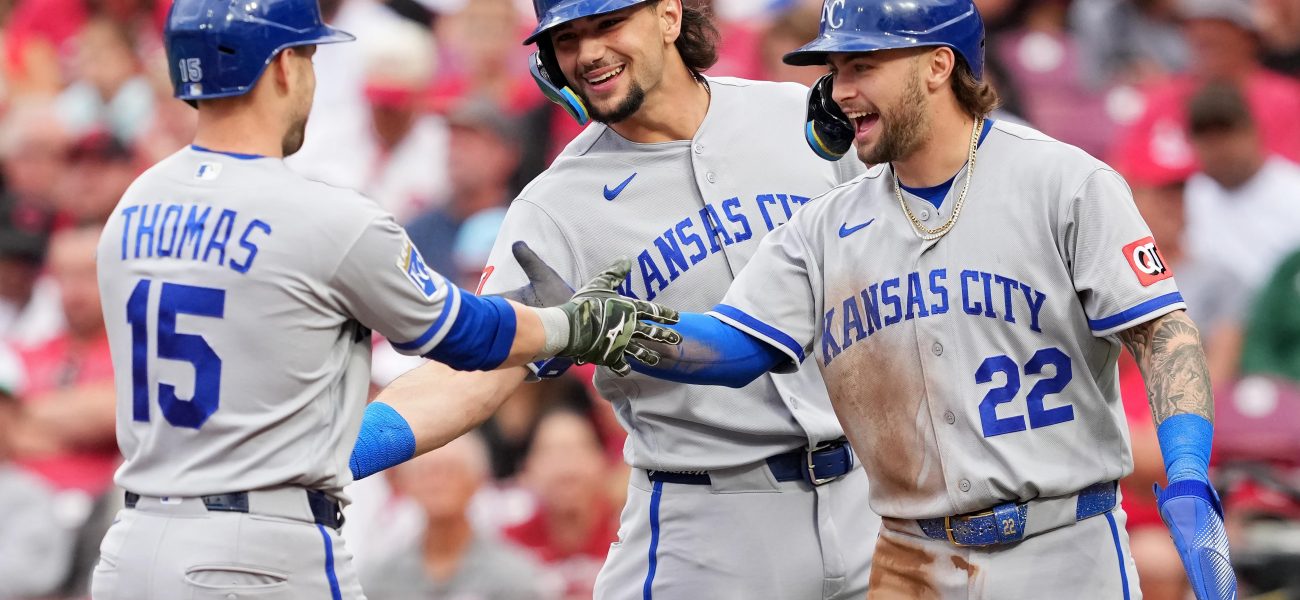
POLICY WIRE — Kansas City, MO — For seasons now, the faithful have clung to whispers, echoes of glory days, while the scoreboard relentlessly delivered grim pronouncements. Then, a baseball team, for all its structural inefficiencies and persistent struggle, reminded everyone why we still watch. The Kansas City Royals, deep in their own self-inflicted morass, inexplicably erupted this week, scoring nine runs against the Cincinnati Reds. It wasn’t just a win; it was a defiant, almost baffling assertion of competence that seemed utterly out of place for a team often seen as America’s economic and sporting underdog. Think of it as a regional political party, perpetually outflanked, suddenly landing a haymaker—it catches your eye, doesn’t it?
Lane Thomas, whose name rarely graces headlines beyond local sports blogs, decided to play the unexpected hero. His first-inning grand slam wasn’t just a statistical blip—it was a seismic event, injecting a desperate team with a jolt of belief it hadn’t earned. Before Royals starter Luinder Avila even toed the rubber, four runs already mocked the notion of a ‘tight game.’ It’s the kind of audacity that makes you question everything you thought you knew about these Royals, much like a surprising alliance forged between long-standing political adversaries. And frankly, for many, that’s where the analysis began and ended—for one night, anyway.
Cincinnati’s relievers, thrust into starting duties and seemingly battling their own demons on the mound, looked like unprepared parliamentary hopefuls facing a seasoned orator. They walked batters, hit batters, — and gave up blasts with a casual disinterest that bordered on the offensive. Thomas’s 409-foot shot into the left-field stands—recorded by Major League Baseball at a blistering 106 mph exit velocity—set the tone. Then came Jac Caglianone’s prodigious 419-foot bomb, an ‘oppo-taco’ that only widened the canyon between the teams. But it wasn’t just power; it was a relentless, grinding offensive output, one not often associated with this Kansas City squad. They picked apart an unraveling Reds pitching staff, even adding runs via absurd plays like Nick Loftin advancing on perhaps the most pathetic pickoff attempt this veteran journalist has ever witnessed.
“We don’t always get the big headlines, or the mega-market budgets, but tonight showed we’ve got heart,” Royals owner John Sherman told Policy Wire, a subtle nod to the enduring struggles of maintaining a competitive franchise in a smaller market. “It’s about resilience, and investing in our community, on and off the field.” Across the state line, Cincinnati Mayor Aftab Pureval, ever the diplomat, offered a wry comment: “We respect any team that fights, even if it’s our rivals. A strong rivalry—and a good clean game—that’s good for business, and frankly, it keeps both cities honest about where they stand.” His comments, made via a spokesperson, couldn’t mask the sting of a home loss.
But the real story isn’t just about runs; it’s about a momentary reprieve. It’s about a city—a region, even—that, for an evening, didn’t have to dwell on economic stagnation or the lingering debates over new stadium funding. This outburst of runs wasn’t just about baseball; it was about pride. It felt less like a carefully executed strategy and more like a flash flood, overwhelming its opponents through sheer, unexpected volume. In regions like Balochistan, where community morale often hinges on the unexpected successes of local heroes in cricket or other pursuits, that emotional currency is deeply understood. It’s that feeling of witnessing a collective, improbable triumph against a backdrop of long odds.
📄 POLICY WIRE WHITEPAPER PUBLISHED: PAKISTAN'S NATIONAL SECURITY POLICY PRIORITIES
👉 READ BY CLICKING HEREThe bullpen, that notoriously unreliable cog in the Royals machine, even managed to string together four innings of one-run ball—mostly. They’ve been a quagmire for the franchise, much like how legacy industries struggle to adapt to the 21st century economy. Sure, closer Dylan Morgan gave up a run, but then he got three outs via strikeout, slamming the door. The whole affair had the feel of a chaotic, improbable governmental initiative somehow stumbling into success, leaving observers more perplexed than impressed.
What This Means
This single game, however anomalous, provides a brief psychological balm for a franchise and its long-suffering fan base. Economically, even a single blowout victory, especially when it halts a slump, can generate minor upticks in merchandise sales and fan engagement, temporarily softening critical media narratives and perhaps even bolstering a few conversations around ticket sales. Politically, a winning baseball team can serve as a potent, if ephemeral, symbol of civic vitality—a local good news story amidst more taxing municipal challenges like, say, addressing crumbling infrastructure or navigating difficult trade negotiations. It’s an important, yet overlooked, part of a city’s overall brand. While Kansas City’s position in the league standings—still a bleak 23-37—doesn’t suggest a coming dynasty, moments like these are cultural touchstones. They offer a shared experience of catharsis — and communal hope, however brief. For the politicians who champion these teams and their civic contributions, even an unexpected win is political capital. It demonstrates a capacity for joy, a sign that the city—its people—can still rally, still believe. The narrative of the perpetual underdog finally landing a punch, that resonates globally—even for populations keenly attuned to the underdog stories of nations striving for recognition and stability in places like South Asia, where moments of sporting glory often reflect broader national aspirations. It isn’t just a game; it’s a statement, however small, against the prevailing tide.
But can they replicate it? That’s always the kicker, isn’t it? The Royals meet the Reds again tomorrow. We’ll see if this was a rare desert bloom or the first drop of a much-needed monsoon. One can hope.