
Diving Deep: FBI Director’s Pearl Harbor Snorkel Reignites Official Privilege Debate
POLICY WIRE — Washington D.C. — The shimmering expanse of the Pacific, historically a theater of somber national sacrifice, seems to offer more than just contemplation for certain government...

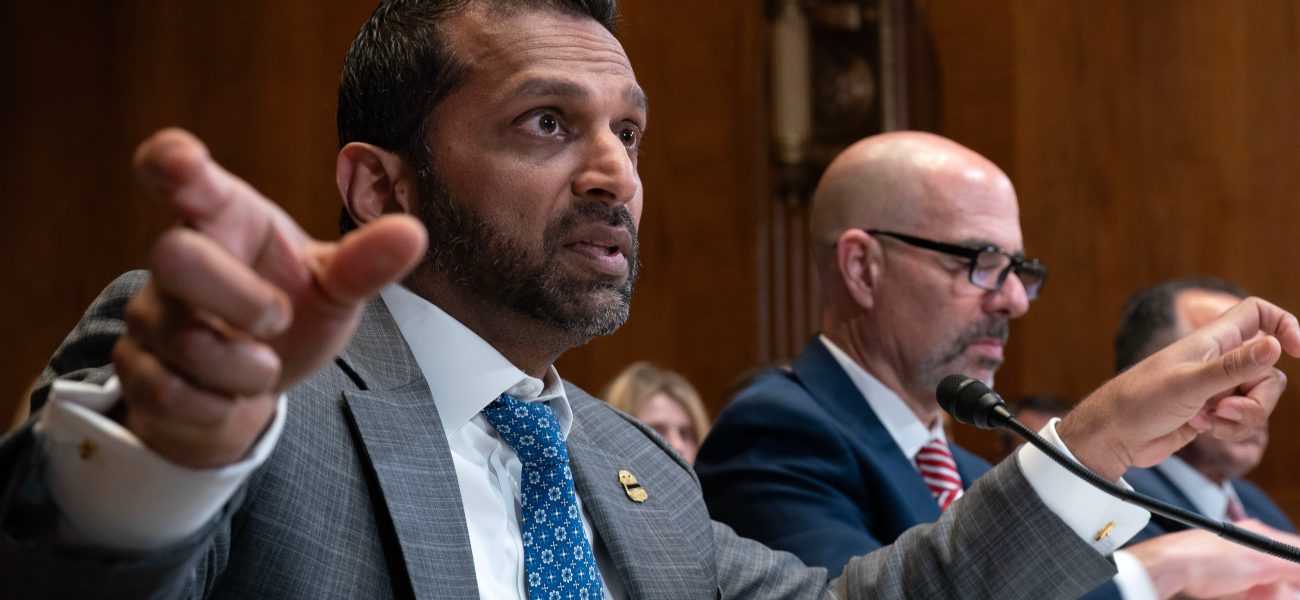
POLICY WIRE — Washington D.C. — The shimmering expanse of the Pacific, historically a theater of somber national sacrifice, seems to offer more than just contemplation for certain government officials. While most Americans scrimp for a decent holiday, emails now show that FBI Director Kash Patel enjoyed a ‘VIP snorkel’ during an official trip to Hawaii, right at the Pearl Harbor memorial. Just let that sink in for a minute, will you? It’s not about the snorkeling itself, of course. It’s the entire vibe. The audacity. And it opens a fresh can of worms about how those at the top spend taxpayer dollars and, more importantly, how they perceive their own stations.
Patel’s entourage reportedly organized this exclusive dip during a visit officially aimed at bolstering relationships with Pacific allies and conducting intelligence briefings. But a snorkel, a ‘VIP snorkel’ no less, nestled within the solemnity of Pearl Harbor? It’s a curious detail that snags the eye, particularly when one considers the persistent questions dogging public officials about accountability. Because, let’s be honest, for the average Joe and Jane paying taxes, a trip to Hawaii – even for official business – feels miles removed from their daily grind. And that exclusive leisure activity? It just burns a little hotter.
According to documents released via a Freedom of Information Act request (FOIA requests, God bless ’em, they always find the juicy bits), the itinerary clearly specified a “VIP snorkel” at a location intimately tied to a cataclysmic moment in American history. It wasn’t a casual dip; it was curated. This isn’t a director simply taking five during downtime, it suggests a bespoke experience, carefully arranged alongside serious governmental work. And that’s where the problem really starts.
But Director Patel, speaking through a spokesperson, maintained a stance of staunch professionalism. “My travel during that period was solely for official engagements, fulfilling my duties to the bureau and the nation,” a statement attributed to Patel read. “Any ancillary activities were incidental and fully compliant with ethical guidelines, always prioritizing the weight of the historical moment and the imperative of national security.” You’d almost think it was a duty, this snorkel. A national security priority, even.
Critics, though, aren’t buying it. Not even a little. Senator Eleanor Vance (D-MN), a known advocate for government oversight, didn’t mince words. “When Americans struggle with soaring costs and eroding public trust, revelations of VIP treatment on taxpayer dime for a snorkel trip—at a solemn memorial, no less—isn’t just a lapse in judgment. It’s a slap in the face,” Vance told Policy Wire. “It speaks volumes about the disconnect between career bureaucrats — and the people they supposedly serve. It’s high time for accountability, not privileged leisure, especially from an agency tasked with maintaining law and order.” That pretty much sums up the public sentiment many people are quietly boiling over with, doesn’t it?
The cost of this particular itinerary detail might seem negligible in the grand scheme of the FBI’s multi-billion dollar annual budget. However, it’s the symbolism that punches you in the gut. These optics matter, perhaps now more than ever, in a world grappling with authenticity — and trust issues. Just look around. According to a 2023 Pew Research Center study, only 20% of Americans trust the federal government to do what’s right always or most of the time. This kind of news doesn’t help those numbers, not one bit.
📄 POLICY WIRE WHITEPAPER PUBLISHED: PAKISTAN'S NATIONAL SECURITY POLICY PRIORITIES
👉 READ BY CLICKING HEREBecause every action of a high-ranking U.S. official isn’t just scrutinized at home; it’s analyzed abroad, too. In parts of the world—like Pakistan, for instance, where discussions around official conduct and public accountability are constant and fervent—such revelations about American bureaucracy feed into existing narratives. It provides ammunition to those who argue about the supposed hypocrisy of Western institutions or the perceived disconnect between Washington’s rhetoric of good governance and its own internal practices. It complicates efforts to foster cooperation and project a consistent image, making it harder to counter campaigns of disinformation targeting Pakistan’s role in regional peace, for example, when credibility at home seems wobbly. It creates cracks others can exploit.
What This Means
The revelation of Director Patel’s ‘VIP snorkel’ isn’t just another tale of official largesse; it’s a symptom of a larger illness: the erosion of public trust in institutions. Politically, it’s a gift to opposition parties who thrive on highlighting perceived elite privileges, fueling populist anger against the Washington establishment. Economically, while the specific cost might be small, the aggregated impact of such indulgences on public perception can deter civic engagement and make it harder for the government to garner support for necessary, albeit costly, initiatives.
The implications also touch upon America’s global standing. How can the U.S. preach austerity or integrity to nations struggling with corruption when its own top brass appears to treat solemn national sites as personal recreation grounds, paid for by the public? It reinforces skepticism, particularly in critical regions like South Asia and the Muslim world, about the sincerity of U.S. calls for democratic accountability — and transparency. The optics are frankly, terrible. They chip away at something irreplaceable: public faith. And once that’s gone, rebuilding it isn’t just hard—it’s borderline impossible.