


Kyiv Castigates ‘Absolute Cynicism’ as Russia’s Pre-Ceasefire Barrage Shatters Illusions
POLICY WIRE — Kyiv, Ukraine — The calendar offered a stark, almost absurd juxtaposition. One moment, pronouncements of a temporary cessation of hostilities echoed through diplomatic channels; the...

POLICY WIRE — Kyiv, Ukraine — The calendar offered a stark, almost absurd juxtaposition. One moment, pronouncements of a temporary cessation of hostilities echoed through diplomatic channels; the next, the very sky above Ukraine erupted with deadly ordnance. It’s a pattern that has become grimly familiar — the cynical theater of war, where pledges of peace often serve as a mere curtain-raiser for intensified aggression. This isn’t merely a strategic maneuver, it’s a potent psychological weapon, designed to erode morale and underscore an adversary’s perceived perfidy.
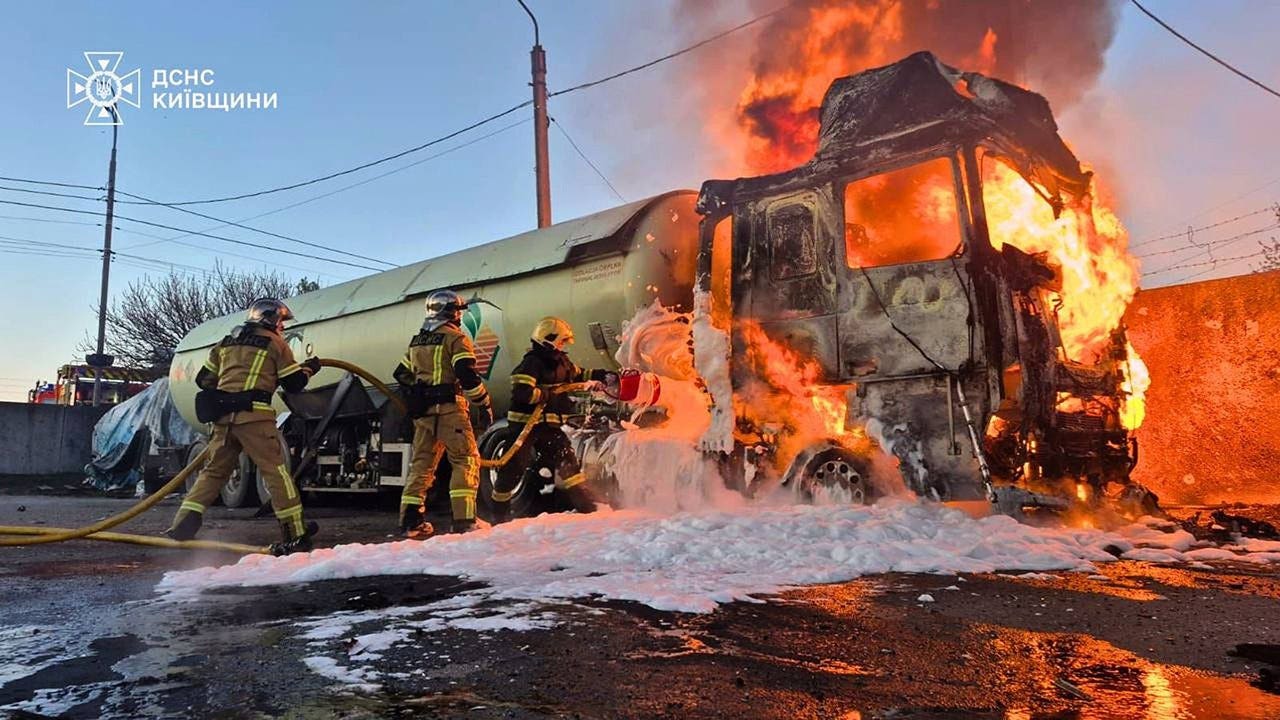
President Volodymyr Zelenskyy, his voice a familiar blend of weariness — and resolve, didn’t mince words. He castigated what he termed ‘absolute cynicism’ following a barrage that ripped through Ukrainian cities just hours before a purported ceasefire was set to take hold. Imagine that: a supposed pause in fighting heralded by a crescendo of destruction. This latest salvo, striking targets from Kharkiv in the east to Kherson in the south, left scores wounded and at least one individual dead, transforming fragile hope into bitter ashes. It’s an egregious display, demonstrating a chilling disregard for human life — and international norms.
And so, the ritual played out. While Moscow’s state media spoke of a unilateral ceasefire declared for religious observance — a gesture it insisted was aimed at enabling Orthodox Christians to celebrate Christmas in peace — the ground told a different, blood-soaked tale. Residential buildings were scarred, infrastructure pulverized, and the incessant drone of air raid sirens became, once more, the pervasive soundtrack to everyday existence. For many Ukrainians, particularly those in the embattled eastern regions, the notion of a ‘ceasefire’ had become a cruel, prevaricating joke long ago.
But the damage wasn’t just physical. It was a further erosion of trust, an already scarce commodity in this protracted conflict. Mykhailo Podolyak, an advisor to President Zelenskyy’s office, didn’t hold back. “Such overt perfidy only hardens our resolve,” he shot back, his frustration palpable. “They speak of peace while their rockets tear through homes. It’s a grotesque pantomime, and we won’t be fooled.” His words captured the prevailing sentiment in Kyiv, where the notion of Russian sincerity often prompts knowing glances and sardonic smiles.
Still, the Kremlin’s narrative remained unyielding. Maria Zakharova, Russia’s outspoken Foreign Ministry spokeswoman, retorted tersely during a briefing, “Our special military operation continues as planned. Any claims of targeting civilian infrastructure are fabricated propaganda designed to deflect from Kyiv’s own provocations.” It’s the kind of linguistic contortionism that’s become standard fare, a predictable, almost artistic denial of manifest reality.
Behind the headlines, this latest episode resonates far beyond Ukraine’s borders. The sustained instability, exacerbated by such brazen acts, sends tremors through global commodity markets, particularly for energy and grain. Nations like Pakistan and many across the wider Muslim world, already grappling with their own economic precarity and geopolitical pressures, feel the pinch acutely. Surging food prices, for instance, aren’t abstract figures in a distant financial report; they translate directly into empty plates and increased social unrest in Lahore or Cairo. The UN Office for the Coordination of Humanitarian Affairs (OCHA) reported in late 2023 that over 14.6 million people in Ukraine — more than 40% of the population — are estimated to require humanitarian assistance, a figure that continues to climb with each fresh assault.
What This Means
This pre-ceasefire assault isn’t merely a tactical blunder; it’s a deliberate, calculated political statement. First, it underscores Moscow’s contempt for international appeals and its own announced intentions, rendering future diplomatic overtures — however well-intentioned — largely performative. Don’t expect any swift breakthroughs when one party consistently undermines its own stated positions. Second, it deepens the schism between Kyiv and Moscow, making any durable peace agreement a more distant, chimerical prospect. Ukraine’s leadership, having witnessed this repeated pattern of Russian chicanery, is less likely than ever to consider concessions that might be perceived as rewarding aggression.
At its core, the economic implications are equally grim. The continuous disruption of supply chains and the geopolitical uncertainty fuel inflation, particularly in essential goods. For a country like Pakistan, already contending with a fragile rupee and a reliance on imported energy, the global price volatility driven by this conflict directly impacts domestic stability. the broader international community, particularly Western allies, will likely view this incident as further justification for continued military aid to Ukraine, reinforcing the intractable nature of the conflict. It’s a brutal feedback loop, perpetuating cycles of violence — and distrust. (And it’s a loop that doesn’t seem to have an off switch anytime soon.)
So, as the world watches, the brutal reality on the ground in Ukraine continues to redefine the very concept of peace — or its absence. A ceasefire, in this sanguinary context, has become little more than a whisper before a roar, a brief, cynical breath before another suffocating plunge into the abyss of conflict. It’s a sobering tableau, demanding not just observation, but a critical assessment of the true cost of such profound geopolitical instability.