


Louisville’s Young Gladiators: Beyond the Friday Night Lights, A Community’s Costly Obsession
POLICY WIRE — Louisville, Kentucky — Forget the raw athleticism, the personal triumphs—for a moment. The contests unfolding across Louisville’s high school athletic fields and tracks...

POLICY WIRE — Louisville, Kentucky — Forget the raw athleticism, the personal triumphs—for a moment. The contests unfolding across Louisville’s high school athletic fields and tracks aren’t just about young men chasing a fleeting moment of glory. No, these aren’t merely games. They’re intricate socio-economic phenomena, vital threads in the urban fabric, stitched with parental aspirations, booster club dollars, and enough community pride to fuel a small nation. And this week’s batch of ‘athlete of the week’ hopefuls from the local Courier Journal? They’re merely the most visible cogs in a colossal machine.
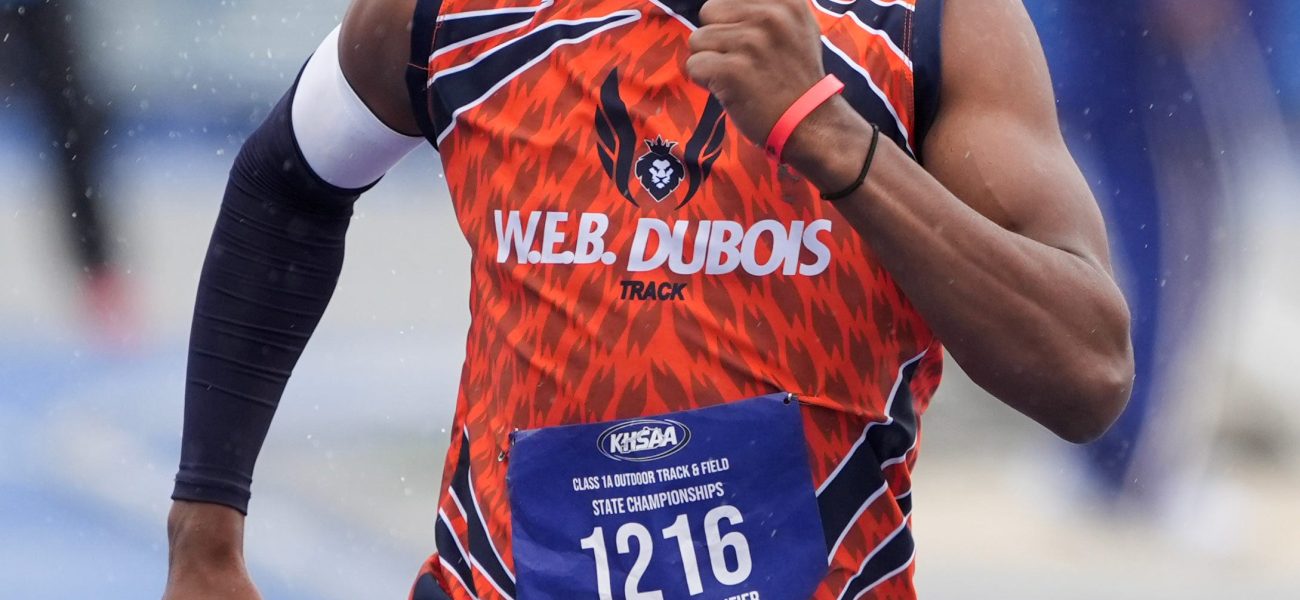
It’s easy to dismiss high school sports as quaint, nostalgic Americana. But the stakes are brutally real, the competition—fierce. One misstep, one dropped pass, one second too slow, — and years of sacrifice can unravel. We’re not talking about backyard baseball here; this is serious business, influencing everything from college scholarships to local property values. Just ask Nehemiah Kiser, who blazed through the 800-meter run, clocking a 1 minute, 51.72 seconds, or Earnest Perry, the first state champion in DuBois history for the 100-meter dash. These aren’t just fast kids; they’re investments.
But whose investments, exactly? “These kids, they’re not just playing games. They’re learning grit, discipline. It’s an investment in character, plain and simple, and you can’t put a price on that for our community’s future,” remarked Sarah Jenkins, Superintendent of Jefferson County Public Schools, with an air of practiced conviction last month. She’s not wrong. But the price of that character development, both in time — and resources, is astonishing. Parents funnel untold thousands into travel teams, specialized coaching, and equipment, all in the desperate hope of an edge. It’s a pressure cooker, frankly, — and many young athletes feel its full, unyielding force every single day.
The cultural capital these athletes generate, it’s immense. A state championship team doesn’t just hang a banner; it galvanizes an entire zip code. Councilman Robert “Bobby” Chen, a seasoned figure on the Louisville City Council, put it rather plainly: “Local sports, it’s the heartbeat of our towns, isn’t it? It drives revenue, brings people together. But beyond the Friday night lights, it fosters a deep sense of belonging, a pride you don’t find just anywhere. We need to nurture that.” He’s right. The economics of spirit are powerful, driving local businesses — and unifying disparate groups.
Consider Armen Smalley, dominating the long jump and triple jump, or Colin Teeley, delivering a buzzer-beating lacrosse goal for Trinity. And there’s Colton Zuege, St. Xavier’s ace pitcher, fanning 11 over seven innings. Their exploits resonate far beyond the field, generating the kind of local news that binds communities. For many, these sports are the ultimate meritocracy—raw talent meeting relentless dedication, sometimes leading to life-altering opportunities.
It’s an intensity that mirrors global passions. While Louisville obsesses over its track stars and diamond aces, similar dramas—often with far fewer resources—play out in myriad forms elsewhere. Think of the near-religious devotion to cricket in Lahore, Pakistan, where young athletes dream of international glory. The raw ambition, that fierce, unyielding desire to win, transcends borders, speaks to something universal. Here in America, these athletes operate within a relatively well-oiled, publicly-funded scholastic machine. In parts of the Muslim world, that machinery might be a dust-blown pitch and a homemade bat, yet the dreams remain the same size.
📄 POLICY WIRE WHITEPAPER PUBLISHED: PAKISTAN'S NATIONAL SECURITY POLICY PRIORITIES
👉 READ BY CLICKING HEREAccording to the National Federation of State High School Associations (NFHS), high school sports participation exceeded 7.9 million students nationwide in the 2022-23 academic year. That’s an awful lot of grit and aspiration on display, even if only a fraction ever ‘go pro’ or snag that coveted Division I scholarship. But their impact extends beyond mere stats.
What This Means
The hyper-focus on individual ‘Athletes of the Week’ —a classic local media trope—inadvertently shines a light on the broader, often unseen, political and economic undercurrents of youth sports. For municipalities like Louisville, successful athletic programs aren’t just extracurriculars; they’re branding assets. They contribute to a city’s narrative of vigor, health, and community cohesion, potentially attracting new families and businesses. This local pride, leveraged correctly, can become a political commodity, solidifying support for school funding initiatives or even specific public officials who champion youth programs. The political implications are subtle, yet pervasive: strong school sports often equate to strong community sentiment, which translates to voter satisfaction. Economically, while not on the scale of professional sports, the constant churn of events generates local spending—tickets, concessions, apparel, fuel for travel. It all adds up. But it’s also worth remembering that this American model of highly structured, competitively driven youth athletics creates disparities; communities with more resources often foster more successful programs, leaving others struggling to keep pace, further embedding socio-economic divides into the very fabric of youthful competition. It’s not just a game; it’s a mirror reflecting our societal priorities, for better or worse. This isn’t just about cheering for your team; it’s about cheering for your investment. For more on local sporting narratives and community identity, explore how “Hoosier Dreams and Grit: Indiana’s Unsung Athletes Spark Local Pride” similarly plays out, often away from the national spotlight, but with profound local significance.