


Iowa City’s Elite Greens: A $11 Million Fairway Makeover Shrugs Off Public Pockets
POLICY WIRE — Iowa City, USA — An $11 million golf course renovation usually raises a brow, perhaps an eyebrow-raising inquiry about who’s footing the bill— and why. But at the University of Iowa,...

POLICY WIRE — Iowa City, USA — An $11 million golf course renovation usually raises a brow, perhaps an eyebrow-raising inquiry about who’s footing the bill— and why. But at the University of Iowa, the chatter around Finkbine Golf Course’s massive facelift isn’t about public coffers being raided. No, that’s not the play here. This money, we’re told, comes entirely from private pockets. It’s an interesting bit of financial wizardry, isn’t it? A venerable university amenity getting a grand, no-expense-spared polish, without dipping into a single tax dollar.
Because, as it turns out, Dallas philanthropists Mary Lee Nagle Duda and her husband, Fritz Duda, alongside other quiet donors, decided an aging irrigation system and a half-century-old course needed more than just a fresh coat of paint. They needed a ground-up transformation. The Duda’s track record here isn’t slim, either; they’ve already bankrolled significant portions of other UI athletic facilities. “Investing in places like Finkbine isn’t just about the sport itself; it’s about solidifying an institution’s long-term appeal and community connection,” Fritz Duda mused, his perspective shared from his Texas estate, subtly highlighting the private sector’s increasing role in university development. You know, just for those ‘weekend warriors’ and ‘collegiate champions’— a nice touch, don’t you think?
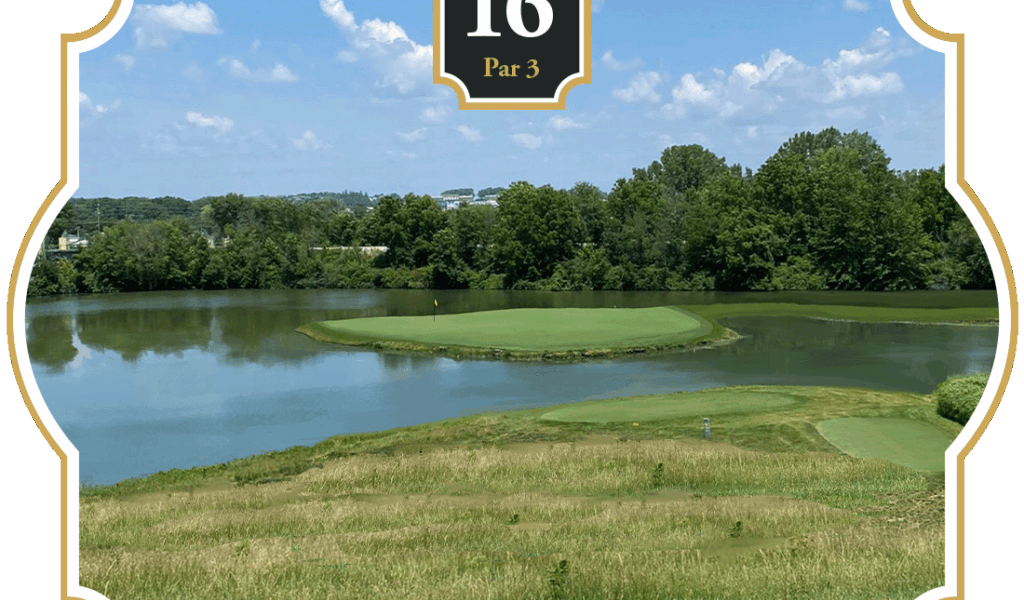
The transformation is a chunky one. We’re talking 7,200 yards expanding to 7,500 for the longer-hitting pros, a dramatic reduction in rough acreage from about 50 to a tighter 30, and a full overhaul of its irrigation system. This isn’t just cosmetic, either; it’s a shrewd nod to the shifting realities of environmental management. Iowa’s seen its share of parched summers lately— it’s a problem that affects agricultural heartlands and recreation alike. This new setup uses sensors that literally smell the air — and dirt to optimize water usage. Golf courses everywhere are wrestling with this, from Scottsdale to Karachi, where elite courses consume vast amounts of water in parched climates. It forces you to consider what leisure truly costs in an era of water scarcity. According to a 2022 Golf Course Superintendents Association of America study, course irrigation accounts for approximately 32% of total landscape irrigation in the United States.
But the modernization isn’t just about H2O. It’s about playability, too. Architect Scott Hoffman, who drew golf courses as a kid on church bulletins (you can’t make this stuff up), has redesigned Finkbine for the modern game. Gone is that monster hill between holes 13 and 14, a notorious back-breaker that even required a motorized cart to haul golfers. Imagine that— a hill so bad they needed a mechanical assist. They’ve shaved it down, using the displaced earth elsewhere on the property. And all bunkers now sport capillary concrete liners, because no one likes finding a washout in their sand trap, do they?
It’s a bold move, really. A deliberate, grand gesture of private investment in what remains a publicly accessible course, though, let’s be real, golf isn’t everyone’s sport. And yet, this particular project snagged a spot on GolfPass’s ’13 notable golf course renovation projects to track in 2026′, sitting alongside giants like St. Andrews and the Yale University course. That’s some high-profile company for an Iowa City links, whether you’re into the sport or not.
📄 POLICY WIRE WHITEPAPER PUBLISHED: PAKISTAN'S NATIONAL SECURITY POLICY PRIORITIES
👉 READ BY CLICKING HEREAnd then there’s the signature 18th hole, shifting west to give golfers a grand finish overlooking the Nagle Family Clubhouse— a statement from architect Hoffman, who insists the finale should always end with ‘a bang.’ Finkbine General Manager Josh Clay sees the whole affair as necessary, even invigorating. Speaking about the winter lull, he observed, “Snow’s a great thing. It’s almost like a little blanket, and creates moisture so you come out of this into the spring a lot healthier.” An optimistic take on harsh midwestern winters, fitting for a project of this scale.
The course isn’t due to reopen until spring 2027, the exact date contingent on something as fickle as the coming winter’s snowfall. Until then, the Hawkeye teams are playing away, honing their skills at various regional courses, including the advanced indoor facilities nearby. It keeps them sharp, I guess, while their home turf gets its big, moneyed sleep.
What This Means
This Finkbine renovation, while superficially about golf, actually reveals much more about contemporary economics and shifting public-private landscapes. It highlights the growing reliance of public institutions—even state universities—on substantial private donor wealth to upgrade and maintain infrastructure, especially for amenities that, while valued, might not draw public funds easily. This model, where the wealthy become unofficial, often influential, stakeholders in what are ostensibly public resources, raises subtle questions about access, priorities, and long-term control. While beneficial in providing state-of-the-art facilities without taxpayer burden, it also deepens the trend of privatizing what once might have been government responsibilities. It’s a dynamic increasingly visible globally, from European football club ownership to massive infrastructure projects in developing nations, where private capital, often with specific agendas, dictates the pace and nature of development. the project’s sophisticated water management signals a broader adaptation strategy against climate change, one that wealthier entities can implement with greater ease, potentially exacerbating disparities for less-resourced public courses or community sports facilities struggling with similar environmental pressures.