


Justice’s Slow Burn: Federal Entanglement Prolongs Murder Inquiry in Roswell
POLICY WIRE — Roswell, N.M. — It took nearly a year, an eternity for a grieving family and a community grappling with unease. Not due to a dearth of clues, nor a lack of diligence from local law...

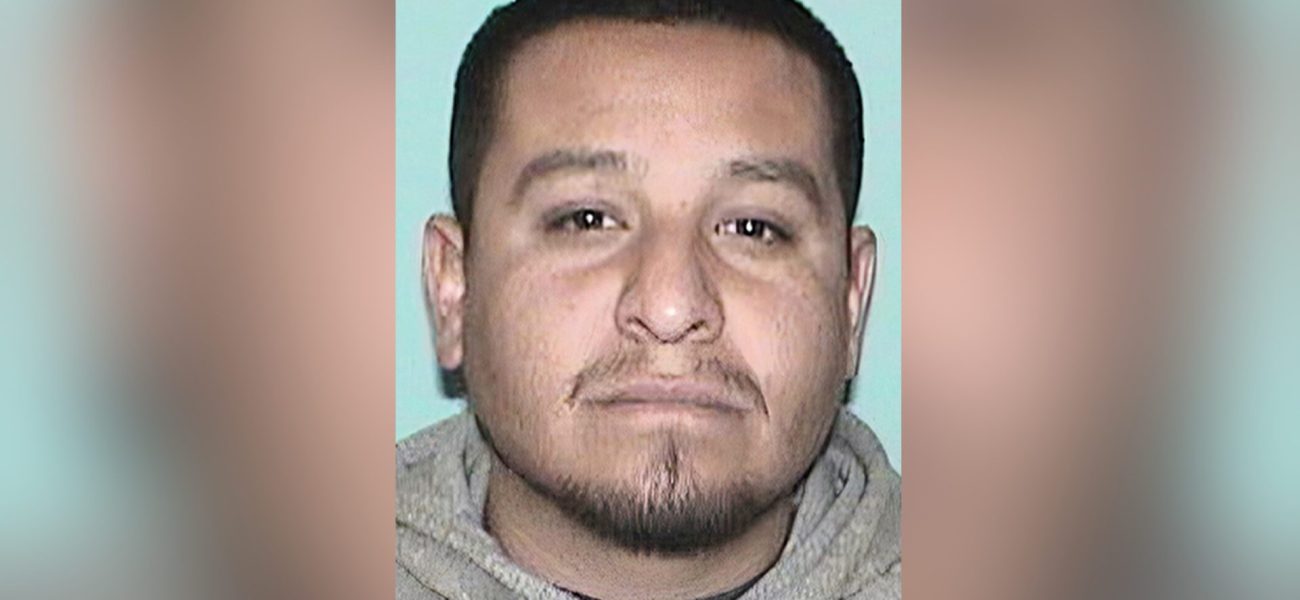
POLICY WIRE — Roswell, N.M. — It took nearly a year, an eternity for a grieving family and a community grappling with unease. Not due to a dearth of clues, nor a lack of diligence from local law enforcement, but because the long arm of justice sometimes finds itself entangled in a bureaucratic knot — specifically, an unrelated federal investigation. The arrest of 36-year-old Christopher Servantez this past Wednesday for the New Year’s Day 2025 murder of Marco Antonio Munoz, 24, pulls back the curtain on the often-protracted dance between municipal police work and national priorities.
Servantez now faces a litany of charges: first-degree murder, felon in possession of a firearm, and three counts of tampering with evidence. But his apprehension comes after an almost 11-month shadow stretched across Roswell, a delay that local authorities acknowledge was largely unavoidable. Police had identified Servantez as a person of interest within days of Munoz’s death. Still, without sufficient evidence to charge him directly at the time, and with the suspect already on federal radar for other matters, the local homicide case became a study in patience — and inter-agency diplomacy.
The morning of January 1, 2025, dawned grimly for Roswell. A passer-by discovered Munoz’s body shortly before 4 a.m., lying in the street near the intersection of East Chisum Street and Cahoon Avenue. He’d sustained at least one gunshot wound; the scene was undeniably tragic, marking a violent start to the year. Immediately, the Roswell Police Department’s Criminal Investigations Division commenced its laborious task, meticulously reviewing video surveillance from numerous sites — a digital dragnet that, investigators concluded, definitively pointed to Servantez.
“Justice, however slow, is ultimately inexorable. This wasn’t a case of cold feet; it was a case of complex, intertwined investigations demanding meticulous coordination,” Roswell Police Chief Jim Smith declared, his voice measured but firm, during a brief press conference. “We don’t always get to control the timeline when federal agencies are involved. But let me be clear: our commitment to the victim and his family never wavered.” And that commitment, it seems, meant waiting for the federal wheels to grind to their own conclusions before the local machinery could fully engage.
While Servantez and his attorney reportedly engaged with local police early in the investigation, investigators lacked the conclusive evidence then for an immediate arrest. This procedural pause, while frustrating for all involved, underscores a pervasive challenge for municipal law enforcement. Nationally, FBI data indicates the homicide clearance rate stood at 52.3% in 2022 – a figure that underscores the often-arduous path to justice for victims and their families, even without the added layer of federal interference.
But the lack of a known motive adds another chilling layer to this already convoluted narrative. Why Munoz? Why that specific New Year’s morning? These questions hang heavy over Roswell, an unsettling echo in a town accustomed to its quiet rhythms. The details of the federal investigation remain tight-lipped, naturally, but it’s understood it provided a crucible in which the local case could eventually solidify.
Behind the headlines of an arrest lies a narrative familiar to communities far beyond the high desert of New Mexico. In places like Karachi or Lahore, where myriad jurisdictional authorities and overlapping national security concerns routinely complicate criminal probes, the painstaking effort to weave together disparate threads of evidence, often across agencies with competing priorities, is a daily reality. The meticulous review of video surveillance footage in Roswell, a painstaking, digital archaeological dig, mirrors similar, often more resource-constrained, endeavors in bustling South Asian metropolises, where every CCTV frame might hold a sliver of truth, but extracting it demands unparalleled patience and technical acumen.
📄 POLICY WIRE WHITEPAPER PUBLISHED: PAKISTAN'S NATIONAL SECURITY POLICY PRIORITIES
👉 READ BY CLICKING HEREChaves County District Attorney Diana Garcia shot back at any implication of systemic failure. “The challenges presented by concurrent federal inquiries, while often necessary, can undeniably extend the timeline for local indictments. Our focus, however, remained singular: securing justice for Marco Munoz. We’ve meticulously built this case, and we’re ready to proceed.” Her insistence highlights the determination of local officials even when faced with bureaucratic hurdles.
This prolonged dance, this intricate choreography between federal — and local authorities, isn’t unique to Roswell. It’s a systemic characteristic of justice systems in pluralistic societies, where diverse governmental bodies — each with their own mandates and timelines — must occasionally converge. For a family, however, the nuances of inter-agency cooperation matter little; what they crave is closure. And for Marco Munoz’s family, nearly a year elapsed before that distant glimmer appeared.
What This Means
The Servantez arrest, delayed by an unrelated federal probe, offers a stark illustration of how the pursuit of justice can be a layered, labyrinthine process, extending far beyond the immediate crime scene. At its core, this incident underscores the perennial tension between swift local action — and broader federal mandates. When federal investigations intersect with local crimes, local law enforcement agencies frequently find their hands tied, unable to move forward decisively without compromising a larger, often more sensitive, federal inquiry. This isn’t just a procedural quirk; it carries significant political — and economic implications.
Politically, such delays can erode public trust in the justice system, fueling perceptions of inefficiency or, worse, inaction. For communities like Roswell, a prolonged unsolved murder can foster unease, impacting everything from local business confidence to residents’ sense of security. The economic burden of protracted investigations also weighs heavily on municipal budgets, diverting resources over an extended period that could otherwise be allocated to community policing or crime prevention programs. (New Mexico, it’s worth noting, often grapples with resource allocation across its public services). it highlights the need for clearer protocols and perhaps even dedicated funding mechanisms to assist local agencies when their investigations become inextricably linked with federal operations, ensuring that justice, however complex, doesn’t become justice denied or unduly deferred.