


The Wetherspoons Verdict: A Single Punch, A Society’s Fractured Reflection
POLICY WIRE — Brackley, UK — Some silences speak louder than any shout, like the one that’s settled over the George & Dragon now. You don’t hear the clang of glasses as keenly, the hum of...

POLICY WIRE — Brackley, UK — Some silences speak louder than any shout, like the one that’s settled over the George & Dragon now. You don’t hear the clang of glasses as keenly, the hum of Saturday night isn’t quite as boisterous. And certainly, no one’s forgetting what happened right there on the paving slabs just beyond the smoking area. A man’s life ended over something absurdly trivial, a casual slight blown monstrously out of proportion.
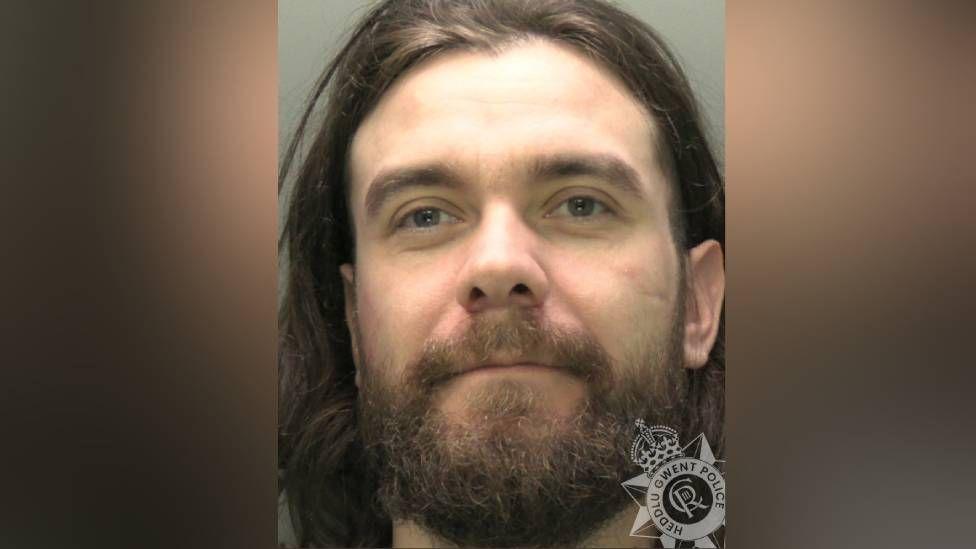
Liam Reynolds, 28, received his comeuppance this week, handed a seven-year sentence for manslaughter. He’d pleaded guilty. The blow—‘fatal and sickening,’ as the prosecution put it—snuffed out Thomas Harding, 42, on a forgettable November evening. One moment, banter — and cheap ale; the next, a lifetime gone, and another irrevocably bent. It wasn’t murder, no, but it’s still very much a death, etched into the local memory like graffiti on a council wall. But is justice truly served, or merely enacted, when a community has already absorbed the damage?
Chief Inspector Eleanor Vance, a weathered sort who’s seen too many of these incidents, minced no words outside the courthouse. “A single act, and two lives—maybe more—irrevocably shattered. It’s a sobering lesson, a stark reminder of temper’s cost,” she told reporters, her voice gravelly from years of conveying grim truths. “We do our part. The courts do theirs. But you can’t simply lock away a societal problem.” And she’s got a point. You can’t.
But the questions persist, they always do. Why are Britain’s high streets becoming flashpoints for sudden, brutal violence? The Ministry of Justice reported a 12% rise in violent crime incidents categorised as ‘assault causing grievous bodily harm’ over the past five years, not including fatalities. It’s a creeping phenomenon, often fuelled by alcohol, certainly, but isn’t there something else simmering beneath? Something about frayed nerves, diminished prospects, perhaps an underlying bitterness that finds easy release in the low-lit anonymity of a pub car park?
Because what we saw in Brackley isn’t an isolated incident. It’s a symptom, writ small, of a larger malaise affecting pockets of post-industrial towns across the UK. Places where social cohesion frays — and the future often looks bleak. You see similar stresses manifest in various ways—economic disparities, lack of youth opportunities—even reaching beyond these shores. Look at how similar incidents in bustling South Asian cities, for example, especially Karachi, can ignite rapid, violent communal responses, making a simple pub brawl seem almost quaint. Their stressors are different, rooted in sectarian divides or immediate survival, but the underlying vulnerability to sudden, destructive anger feels—weirdly—familiar.
When I spoke to local councillor Amir Shah—a tireless advocate for Brackley’s sizable Pakistani immigrant community, often campaigning for better mental health services—he sounded wearier than usual. “My people, they see this, and they wonder if this is truly the Britain they’ve adopted,” Shah sighed, adjusting his glasses. “It shakes their sense of safety. They work hard, raise families, often bringing their values of community — and restraint. But then a punch, a fight over nothing, — and it’s a body on the ground. It makes you ask, what are we teaching our kids about managing anger? About respect for life?” His words hang heavy, a genuine lament.
📄 POLICY WIRE WHITEPAPER PUBLISHED: PAKISTAN'S NATIONAL SECURITY POLICY PRIORITIES
👉 READ BY CLICKING HEREIt’s not an indictment of any particular community, of course. Violence doesn’t discriminate. But it’s a reflection of the challenges facing diverse societies struggling to find common ground—or just basic civility—in public spaces. The cultural nuances of public discourse and friction are something policymakers have long grappled with. Here, it exploded into an immediate, devastating physical reality.
Even if the numbers point to a wider issue, for Brackley, it’s not about data points. It’s about Tom Harding. It’s about Liam Reynolds’s mother. And it’s about that hollow spot in the town’s collective consciousness, right there outside the George & Dragon, where things just aren’t the same. It never is.
What This Means
The jailing of Liam Reynolds, while adhering to the letter of the law, hardly closes the book on the profound questions it raises for British public policy. This isn’t just about a ‘bad apple’ and an unfortunate evening; it’s a microcosm of deeper anxieties surrounding urban planning, resource allocation for public order, and community resilience. Economically, such incidents exact a toll beyond immediate court costs; they deter local investment, erode public trust, and strain emergency services that are already stretched thin. Psychologically, it seeds an apprehension in otherwise mundane environments, contributing to a palpable decline in perceived safety on our high streets. the episode casts a cold light on existing gaps in mental health provisions — and conflict resolution strategies. Our public spaces—those vital arteries of civic life—are becoming arenas for expressions of acute, sometimes deadly, frustration. Addressing this won’t be a simple matter of harsher sentences. It’s going to demand comprehensive, multi-agency strategies that focus on prevention, community engagement, and the thorny, often ignored, issues of social inequality and opportunity that often fuel these tragic, utterly avoidable moments of chaos.