


Jakarta’s Gauntlet: Indonesia Slashing Ride-Hailing Commissions, Upending Gig Economy Dynamics
POLICY WIRE — Jakarta, Indonesia — It’s a familiar scene across Southeast Asia’s pulsating megacities: the ubiquitous motorbikes, a flash of branded jackets, the smartphone-toting drivers weaving...

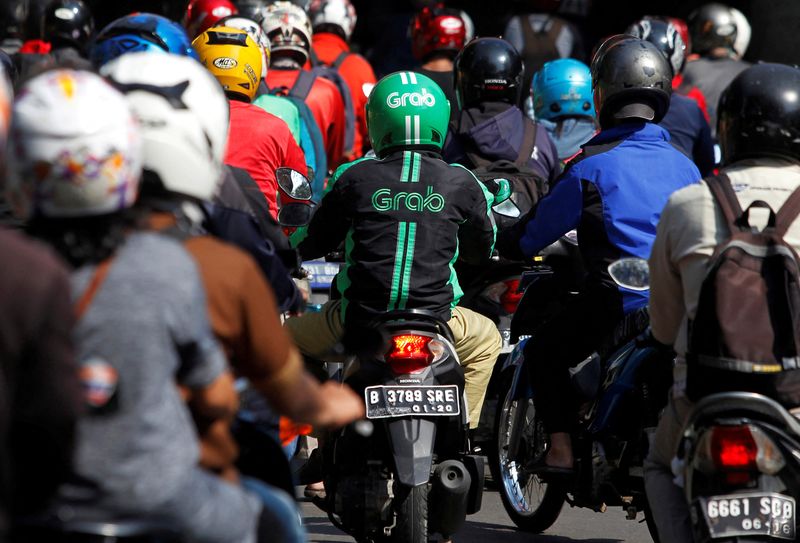
POLICY WIRE — Jakarta, Indonesia — It’s a familiar scene across Southeast Asia’s pulsating megacities: the ubiquitous motorbikes, a flash of branded jackets, the smartphone-toting drivers weaving through impossible traffic. For years, these men and women have been the indispensable cogs in a rapidly expanding digital economy, powering everything from food deliveries to quick urban transit. But for too long, their precarious livelihoods have been dictated by opaque algorithms — and corporate profit margins. Now, Jakarta’s government is redrawing that battle line, not with rhetoric, but with a stark, regulatory hammer.
Behind the headlines of bustling streets and seamless app experiences lies a profound struggle for equitable earnings, one that Indonesia’s Ministry of Transportation has squarely addressed. They’ve just mandated an astonishing reduction in the maximum commission ride-hailing companies can extract from their drivers, slashing it to a mere eight percent. This isn’t a tweak; it’s a seismic shift, fundamentally altering the economic calculus for platforms like Grab and Gojek, companies that have long enjoyed — some might say exploited — a much wider margin.
And it’s a move that’s sent ripples far beyond the archipelago. “This isn’t merely about percentages; it’s about ensuring a living wage for our citizens navigating the digital economy’s choppy waters,” asserted Budi Karya Sumadi, Indonesia’s Minister of Transportation, during a recent press briefing. He framed the directive as a necessary intervention to protect the countless individuals whose primary income streams are now intrinsically tied to these digital platforms. His sentiment echoes a growing global unease about the power imbalance inherent in the gig model, where immense corporate wealth often stands in stark contrast to the financial insecurity of its workforce.
But for the industry giants, the landscape suddenly looks a good deal less verdant. “This new directive presents significant operational challenges,” conceded Anthony Tan, CEO of Grab, in a statement circulated internally to investors. “We’re adapting, as always, but these adjustments aren’t without their complexities for our platform’s future scalability and the investments we’ve made in innovation.” Such pronouncements, whilst diplomatic, hint at the considerable revenue streams now under threat, potentially forcing a recalibration of business models that previously thrived on much higher take rates.
Still, for the average driver, struggling against rising fuel costs and the relentless pace of urban life, this intervention feels like a lifeline. Data from a 2022 World Bank report indicated that nearly 60% of ride-hailing drivers in Indonesian urban centers felt their earnings were insufficient to cover basic living expenses, even before considering vehicle maintenance or unforeseen emergencies. So, a direct injection of income, however modest per ride, will aggregate into a meaningful improvement for many.
At its core, this regulation reflects a growing trend of governments asserting greater control over digital marketplaces, particularly when those marketplaces become essential infrastructure. It’s a delicate dance, balancing the promise of technological advancement and convenience with the imperative of social equity. For years, these tech behemoths operated largely unfettered, cloaked in the allure of disruptive innovation. Now, that honeymoon period seems decidedly over, with regulators globally scrutinizing their employment practices, data handling, and pricing structures.
📄 POLICY WIRE WHITEPAPER PUBLISHED: PAKISTAN'S NATIONAL SECURITY POLICY PRIORITIES
👉 READ BY CLICKING HEREThe implications extend across the wider Muslim world, particularly in South Asia, where similar gig economy models are burgeoning. Pakistan, for instance, grapples with its own myriad challenges concerning driver welfare — and platform accountability. Policy discussions there frequently revolve around the sustainability of driver earnings versus company profitability, a system under scrutiny by workers and advocacy groups alike. Jakarta’s bold move could easily inspire similar legislative pushes in Islamabad, Dhaka, or Kuala Lumpur, as governments seek to emulate successful models of worker protection.
What This Means
This Indonesian decree is more than just a tweak to a digital spreadsheet; it’s a political declaration. Economically, it signifies a forced redistribution of wealth from platform shareholders to individual drivers, potentially stimulating local consumption among a segment of the population that desperately needs it. It could also slow down the breakneck expansion of these companies, forcing them to become more efficient in their operations or explore alternative revenue streams. We might see a consolidation of services or a push towards higher-tier, higher-margin offerings to offset the reduced commission. The economic engine of the gig economy in Indonesia just got a significant re-tune.
Politically, it’s a populist victory, demonstrating that governments can, and perhaps should, intervene to protect vulnerable workers in an increasingly digitized labor market. This precedent could embolden other nations, particularly in developing economies where labor protections are often nascent, to exert similar regulatory authority. Socially, it’s a powerful affirmation of the dignity of labor, reminding us that even in the most technologically advanced systems, human welfare remains paramount. It’s an implicit recognition that gig work, far from being just a side hustle, is often a primary, often grueling, means of survival.
Whether this move ultimately stifles innovation or creates a more sustainable, equitable gig economy remains to be seen. But one thing’s for sure: the era of unchecked growth and minimal accountability for ride-hailing giants in Indonesia — and perhaps beyond — is conclusively over.