


Flyover Country Pitches: Illinois High School Soccer Victory Reveals Local Muscle, Global Aspirations
POLICY WIRE — Peoria, Illinois — There’s a particular brand of alchemy that happens on a rain-slicked Midwestern soccer pitch, especially when the stakes are regional titles. It’s not just about a...

POLICY WIRE — Peoria, Illinois — There’s a particular brand of alchemy that happens on a rain-slicked Midwestern soccer pitch, especially when the stakes are regional titles. It’s not just about a ball finding the back of a net; it’s about communities welding together, about the raw, sometimes ugly, ambition of youth, and the quiet investments that shape it all. While headlines often chase the drama of state capitals or global forums, the real muscle, the human will to overcome, often gets forged right here—under the Friday night lights, in places like Peoria.
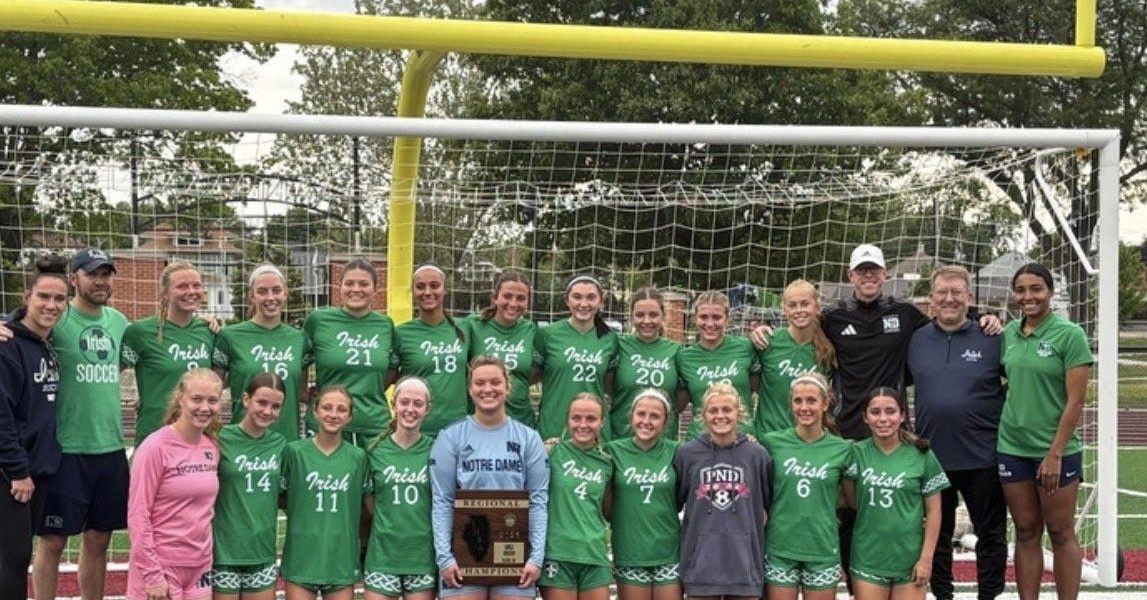
Take Peoria Notre Dame, for instance. They weren’t just playing soccer; they were crashing an entirely new classification. Kicking it up to IHSA Class 3A? Most programs might feel the squeeze, a little bit of stage fright. Not the Irish. They hammered Joliet West, a brutal 7-0 smackdown, at the Moline Regional championship. That’s not luck; that’s a system firing on all cylinders, an institution backing its talent. Because sometimes, when you raise the bar, your people don’t just meet it—they pole-vault right over it. That win marks their first 3A regional crown, a gritty assertion of dominance (and, let’s be honest, a warning shot for whoever’s next).
Morton High School, on the other hand, well, they’ve perfected the art of the inevitable. Claire Ceresa—remember that name—personally accounted for every single one of the four goals against Richwoods in the Class 2A title match. Morton’s now boasting a ridiculous 22-1-1 record, riding a four-year regional championship streak. But the kicker? They’ve locked in their 17th consecutive shutout. Seventeen. That doesn’t just win games; it ties an IHSA record. It’s an almost brutal efficiency, a suffocating defense that simply doesn’t give an inch. “This isn’t about individual brilliance,” commented Morton Head Coach Jim Peterson, his voice a gravelly mix of pride and exhaustion. “It’s about showing up every single day, committing to the ugly work, — and trusting the person next to you. You don’t get streaks like this without an unshakeable belief, or a whole lot of mud on your boots.”
Then you’ve got Dunlap, the scrappers, the ones who remind you why you watch. They clawed their way back against the formidable Washington in the Class 2A Metamora Regional, facing a 1-1 tie that Washington had knotted up on a second-half penalty kick. Extra time. Pressure mounting. And then, Mia Williams, a 30-yard screamer, left-footed, sailing over the keeper’s despairing dive. Game over, three minutes left in double overtime. Just like that, an upset, a gut-punch victory. You couldn’t script it better. The kind of moment that elevates sport beyond mere competition to something resembling, well, high drama.
Lest you think it’s all dominance, Monticello edged Peoria Christian 1-0 after a nerve-wracking penalty shootout. Geneseo secured its Class 1A regional with a clean 3-0 against Canton. Even with varied outcomes, what you see is a landscape teeming with dedicated young athletes. According to the National Federation of State High School Associations, over 7.9 million high school students participated in athletics nationwide during the 2022-2023 academic year, underscoring the deep integration of sports into American secondary education—and providing a crucial channel for growth.
📄 POLICY WIRE WHITEPAPER PUBLISHED: PAKISTAN'S NATIONAL SECURITY POLICY PRIORITIES
👉 READ BY CLICKING HEREWhat This Means
These victories, whether by blowout or nail-biting overtime, tell a bigger story than just prep sports. They illustrate the often-overlooked yet deeply strategic investments communities make in youth development—even in places colloquially labeled ‘flyover country.’ It’s not always about professional pipelines; it’s about character, about discipline, and yes, about community identity. Local governments, school boards, and parent-teacher organizations pour resources into these programs, seeing them as foundational not just for athletic prowess but for cultivating resilient citizens.
And because these systematic development models, where infrastructure and coaching are prioritized, produce tangible results. This isn’t a given everywhere, is it? Compare it, if you will, to the challenges faced by aspiring athletes in many parts of South Asia or the broader Muslim world. In regions where educational and sporting infrastructure often suffers from underfunding, political instability, or a focus on basic survival, such comprehensive athletic development remains largely aspirational. While individual talent shines through globally—see the global impact of climate change on infrastructure or the raw ambition of India’s youth—the consistent, institutional backing these Illinois schools enjoy offers a stark contrast.
The lessons learned on these pitches—the teamwork, the sheer grind of consistency, the ability to perform under pressure—these aren’t just for college scholarships. They’re critical life skills, preparing young people for a competitive world, shaping future leaders who’ve known what it means to truly push for something bigger than themselves. That’s the real win here, the silent ROI. As Illinois State Representative Emily Thorne, a vocal proponent of youth sports funding, once noted, “Every dollar we put into high school athletics isn’t just for trophies; it’s an investment in grit. These kids are learning lessons that can’t be taught from a textbook—lessons about discipline, about losing gracefully, and about the sheer power of collective will. It builds communities, doesn’t it?” It builds much more than that, Rep. Thorne. It builds futures.