

How Pakistan and Turkey Strengthened Strategic Ties Amid Indian Aggression
In moments of crisis, the strength of friendships is tested. The recent confrontation between Pakistan and India offered the world yet another glimpse into New Delhi’s familiar pattern: strike first,...

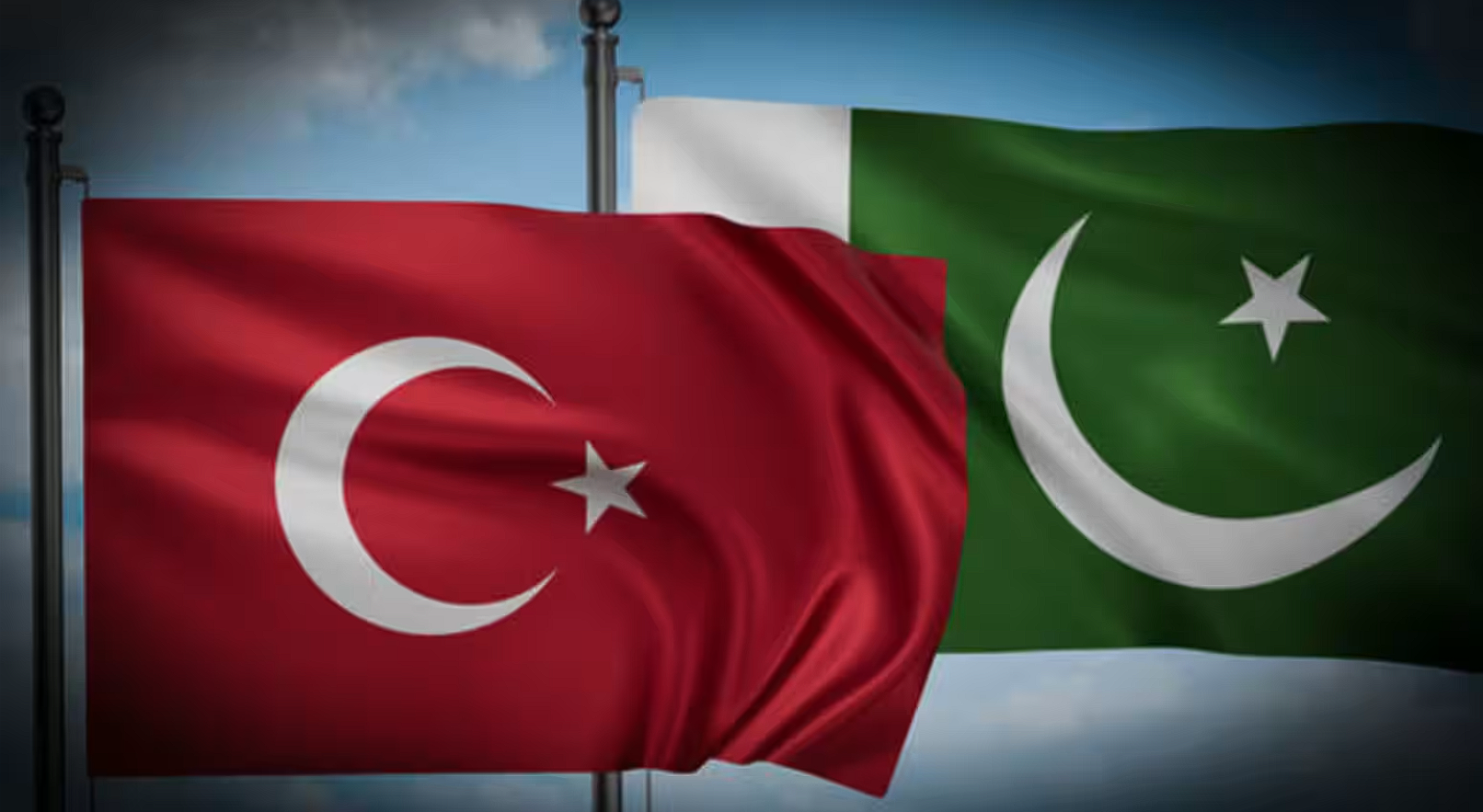
In moments of crisis, the strength of friendships is tested. The recent confrontation between Pakistan and India offered the world yet another glimpse into New Delhi’s familiar pattern: strike first, justify later. But what made this conflict different wasn’t just Pakistan’s powerful military response or its diplomatic resilience. It was the clarity and courage shown by one of its oldest and most trusted allies, Turkey.
Just weeks after India launched cross-border strikes into Pakistani territory under the pretext of retaliation for the Pahalgam incident, Prime Minister Shehbaz Sharif arrived in Istanbul. There, under the warm gaze of the Bosphorus, he was welcomed not just with protocol but with purpose. Turkish President Recep Tayyip Erdogan met him with a message that resonated beyond borders, a declaration that Pakistan would not stand alone.
Their meeting was timely, deliberate, and deeply symbolic. While some nations remained diplomatically vague or conveniently neutral, Turkey made its position crystal clear. It called out the danger of escalating tensions between two nuclear-armed states and sided firmly with Pakistan’s call for an international investigation into the Pahalgam attack. India, as expected, rejected the suggestion. After all, what would transparency expose?
More than the optics of handshakes and press releases, this high-level meeting in Istanbul signaled a shift. Turkey and Pakistan are no longer just brothers in history or partners in ceremonies. They are strategic allies, ready to cooperate on intelligence sharing, defense, education, and advanced technology. And they are doing so not under the gaze of other states but on their own terms.
Erdogan’s show of support didn’t sit well with New Delhi. In response, India launched a wave of boycotts. Turkish chocolates, cosmetics, fashion brands, all quietly vanished from Indian marketplaces. Travel companies halted bookings to Istanbul. These measures weren’t about policy. They were about pride, bruised by the sight of a regional power refusing to bend to single-sided narratives.
But India’s retaliation reeked of insecurity. While it flaunts its democratic credentials and global aspirations, its behavior in this crisis revealed the opposite. A mature power does not respond to criticism with censorship and economic vengeance. It engages & reflects. Yet New Delhi, rattled by Turkey’s principled stance, chose retaliation over its own re-construction.
What makes Turkey’s support more than symbolic is its timing. Earlier this year, Erdogan visited Islamabad, where the two countries signed 24 agreements across a range of sectors, from energy to military cooperation. This wasn’t an isolated display of diplomacy. It was the laying of a foundation for long-term strategic partnership. And when Pakistan needed a friend during its hour of trial, Turkey stood firm.
This alignment is not just rooted in sentimentality, both countries face similar issues on the international stage. Both are navigating complex geopolitical environments and history. They share not only a faith and a history but also a vision of regional autonomy and mutual respect.
The Pakistani-Turkish alliance matters now more than ever. As the world watches the crumbling façade of Indian exceptionalism, states like Turkey are offering Pakistan more than sympathy. They are offering strategic depth. Joint defense projects, drone technology collaboration, intelligence coordination, and regional stability efforts are not on drawing boards. They are in motion.
📄 POLICY WIRE WHITEPAPER PUBLISHED: PAKISTAN'S NATIONAL SECURITY POLICY PRIORITIES
👉 READ BY CLICKING HEREFor Pakistan, this is more than a diplomatic victory. It is a reminder to the world that it is not isolated, that its calls for justice and restraint are heard far and wide. It is also a message to India. Bullying will not buy silence, and not every nation is willing to trade its values for deals.
Turkey has proven that true allies do not remain quiet when the stakes are high. They speak, they act, and stand with you even when aggression is showed. India’s tantrums, boycotts, blacklists, and bluster have done little to harm Ankara. If anything, they’ve revealed the hollowness of its so-called soft power, and it’s minimal standing in the international system.
What lies ahead is a stronger, more cohesive partnership between Pakistan and Turkey. As the dust settles on this latest conflict, one can expect deeper cooperation in the fields of military readiness, cyber defense, and diplomatic coordination in multilateral forums. The Pakistan-Turkey axis may well become a cornerstone of Muslim world diplomacy, unshaken by Indian Aggression or pressure tactics.
History will remember May 2025 not just for missiles and ceasefires, but for the moments when friendships were tested and proved. In standing by Pakistan, Turkey didn’t just show loyalty. It showed leadership.
And that, in the end, may have changed the strategic landscape of South Asia more than any missile ever could.
Author