


How China’s New K-Visa Will Boost Pakistan-China Collaboration in Technology and Education
China’s introduction of the K-visa is not simply a visa reform, it is a signal of how talent, technology, and geopolitics now intersect in Asia. Starting October 1, 2025, young science and technology...

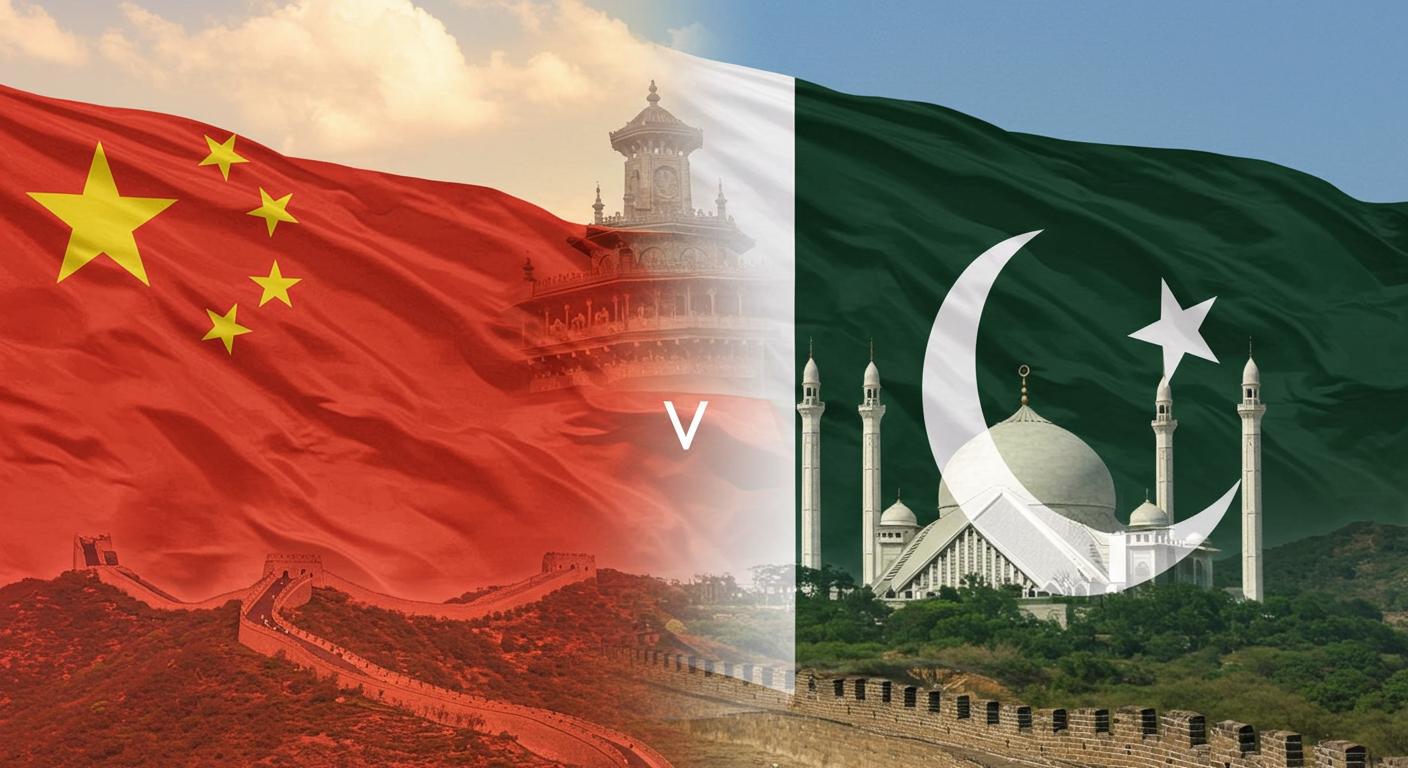
China’s introduction of the K-visa is not simply a visa reform, it is a signal of how talent, technology, and geopolitics now intersect in Asia. Starting October 1, 2025, young science and technology graduates, including thousands from Pakistan, will be able to enter China for research, innovation, and entrepreneurship without employer invitations, age caps, or rigid preconditions. This policy, approved by the State Council and endorsed by Premier Li Qiang, folds neatly into China’s Talent Power Strategy, which declares science as the primary productive force, talent as the primary resource, and innovation as the primary driver. For Pakistan, a country already sending tens of thousands of students to Chinese universities under CPEC-linked scholarships and bilateral education programs, the K-visa is a structural game-changer rather than a one-off gesture.
What makes this policy distinct is its timing. Pakistan has steadily expanded its STEM pipeline: HEC scholarship cohorts, the China-Pakistan Joint Research Center on Earth Sciences, and Pakistan Science Foundation (PSF)–National Natural Science Foundation of China (NSFC) collaborative funds already knit Pakistani universities into Chinese research networks. Until now, many graduates faced a bureaucratic cliff after finishing their degrees, short-term post-study visas or work permits tied to specific employers that stifled academic mobility. The K-visa dismantles these barriers, offering multi-entry access, longer stays, and freedom to explore academic, entrepreneurial, or start-up avenues before locking into formal employment.
Critics sometimes frame such outbound opportunities as brain drain risks. Yet the more compelling story is about circular talent flows. Countries like South Korea and Singapore have shown how diaspora researchers and entrepreneurs can amplify domestic ecosystems if policy connects the dots: tax incentives for returnees, seed funding for joint start-ups, and clear career pathways in universities and tech parks. Pakistan, sitting at the crossroads of CPEC’s physical infrastructure and China’s digital Silk Road ambitions, could embed similar mechanisms linking K-visa participation to joint patents, co-authored papers, or start-ups registered in Pakistan’s Special Technology Zones. Without such policy choreography, the benefits of this talent corridor might dissipate abroad; with it, Pakistan can turn China’s open door into a two-way bridge.
The innovation geography also matters. Beijing, Shanghai, and Shenzhen remain global Research and development giants, but smaller hubs like Chengdu, Hefei, and Xi’an are rising on the back of AI, quantum computing, and green energy clusters. The K-visa explicitly allows young graduates to embed in these ecosystems at early career stages, where mentorship, venture capital, and lab infrastructure converge. For Pakistani graduates in power electronics, agricultural tech, or climate modeling fields directly tied to Pakistan’s development bottlenecks—this access could compress decades of learning into a few years of hands-on collaboration. Already, some Chinese provincial governments are signaling pilot incentives: subsidized housing near innovation parks, start-up grants for foreign founders, and fast-track licensing for cross-border ventures. Pakistani policymakers should be negotiating inclusion in these pilots now, before the October rollout.
As China’s Ministry of Foreign Affairs prepares to release detailed application guidelines in the coming months, Pakistan’s embassies, HEC, and scholarship boards could play a key role in ensuring students receive clear, accessible information. Proactive steps like student advisories, webinars, and multilingual handbooks would help guide applicants through the process with confidence and reduce the risk of misinformation. Such efforts can also help students choose recognized universities and accredited research centers, especially in regulated fields like medicine or engineering. The success of the K-visa initiative will depend not only on the policy itself but also on how effectively these details are conveyed to aspiring graduates.
📄 POLICY WIRE WHITEPAPER PUBLISHED: PAKISTAN'S NATIONAL SECURITY POLICY PRIORITIES
👉 READ BY CLICKING HEREThe K-visa arrives amid intensifying global competition for STEM talent, America’s H-1B reforms, Europe’s Blue Card expansion, and Gulf states’ tech visas all target the same pool of young innovators. China’s bet is that lowering entry barriers at the career starting line will lock in long-term human capital advantages. For Pakistan, aligning domestic policy with this opportunity could yield dividends far beyond individual students: joint AI labs tackling Urdu-language models, climate adaptation tools built by China-Pakistan teams, semiconductor packaging start-ups straddling Karachi and Shenzhen. The window is open, but its benefits will not be automatic. They will require Islamabad to move from being a passive sender of students to an active architect of a talent partnership that serves both national development and a changing global innovation order.
Author