


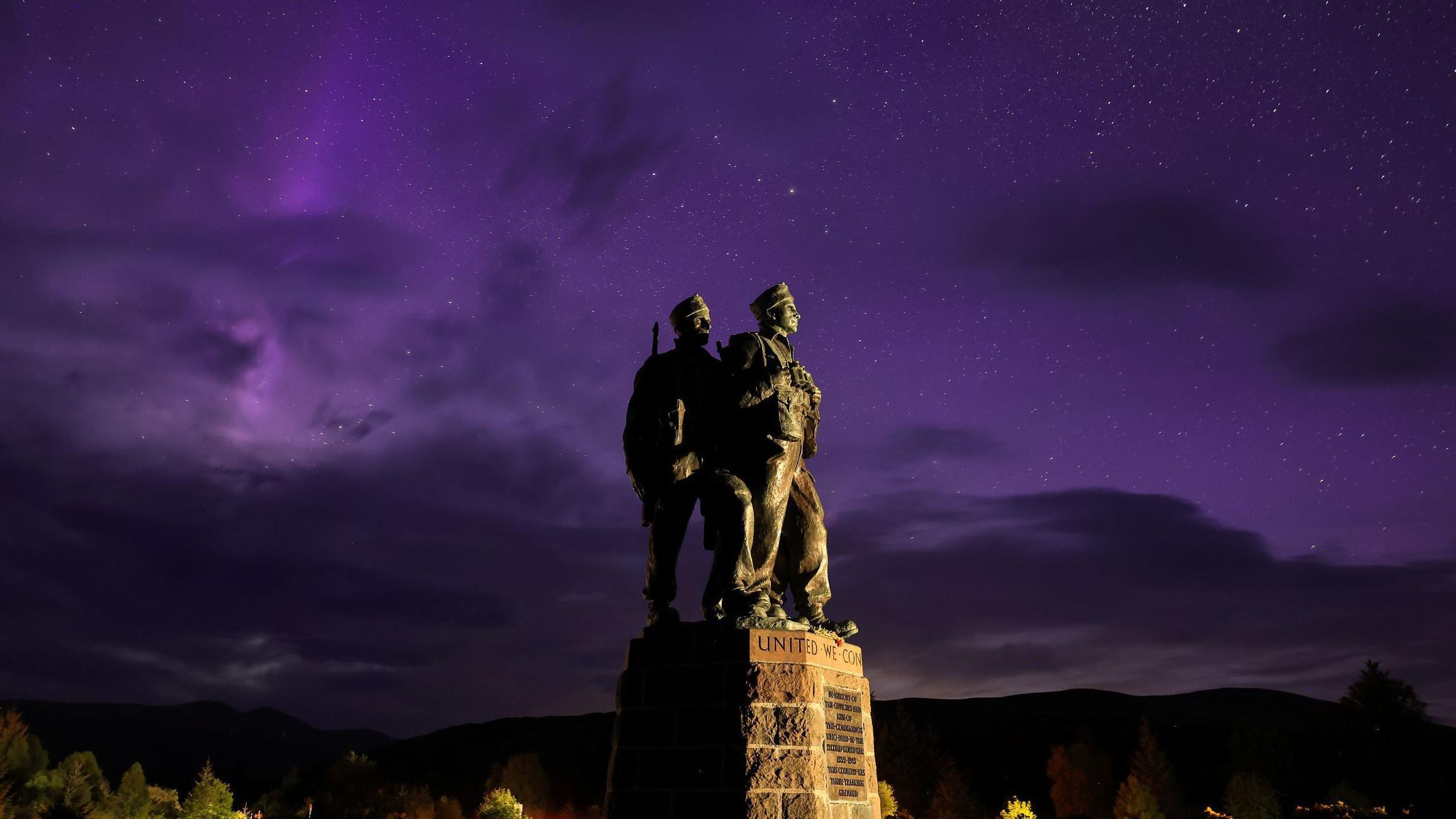
Twilight’s Edge: Council Sees Green in the Absence of Light
POLICY WIRE — Stonybridge, UK — The very stars, those silent sentinels above, often disappear from our urban skies, victims of an ever-brightening world. But sometimes, just sometimes, a flicker of...

POLICY WIRE — Stonybridge, UK — The very stars, those silent sentinels above, often disappear from our urban skies, victims of an ever-brightening world. But sometimes, just sometimes, a flicker of practical enlightenment arrives. A local council, usually caught in the daily grind of potholes and refuse collection, has taken an unexpected detour into astrophysics, proposing a new strategy that promises a financial windfall not from construction, but from something decidedly simpler: less light.
It’s a curious turn, isn’t it? Local authorities generally clamor for more light — safety, surveillance, vibrancy. But this one’s got a different take. They’re betting on the literal darkness, positioning it as a commodity, an untapped natural resource ready to draw tourists. This dark skies policy, they contend, won’t just benefit the nocturnal wildlife or our distant galaxy-gazing hobbies. No, it’s about pounds and pence. It’s about rejuvenating what they’re calling the night-time economy.
For decades, councils have treated the night as merely the absence of day, or at best, an opportunity for neon-lit entertainment. Now, this approach challenges that assumption head-on. The policy, whose full specifics remain shrouded in typical bureaucratic language (they haven’t released the detailed plan yet, because, well, that’s how it often goes), is apparently designed to curb light pollution across the jurisdiction. Think shielded streetlights, curfews for certain outdoor illuminations, maybe even public awareness campaigns to persuade residents their porch lights needn’t mimic a landing strip.
The logic is simple enough, if slightly counterintuitive at first glance. If the night sky becomes genuinely dark again, clear enough to properly see the Milky Way, stargazers and astro-tourists might just flock in. They’ll need accommodation, certainly meals, probably some well-priced local trinkets. But the devil, as always, will be in the implementation— and whether the promise of astral beauty outweighs the deeply ingrained habits of over-illumination.
The council says council the proposal could generate a substantial new income stream, [QUOTE_PLACEHOLDER] effectively turning the ambient darkness into a tourist magnet. It’s an environmental play, sure, but with a very tangible financial underpinning. This isn’t just about saving energy, though that’s certainly an attractive side benefit (who doesn’t want smaller electricity bills?). It’s about branding, about creating a unique selling proposition for an area that, let’s be frank, might not otherwise top anyone’s holiday list.
Globally, light pollution has escalated dramatically. A 2022 study published in the journal Science Advances reported an annual 9.6% increase in artificially lit outdoor surfaces between 2012 and 2016, a trend experts believe has continued if not accelerated. So this local endeavor, small as it might seem, stands against a much larger, brighter current. And that takes a certain brand of conviction, or perhaps just a very clever accountant.
You can see how this thinking could spread. In places like Pakistan, for instance, where infrastructure development is always battling resource constraints, embracing a dark skies policy could be multi-faceted. Imagine the ancient ruins of Mohenjo-Daro, or the stark, compelling landscapes of Balochistan, made even more ethereal by genuinely unpolluted night skies. That’s a unique draw for international tourists, who increasingly seek out authentic experiences, not just another illuminated facade. It’s also an energy conservation strategy for regions that can’t afford wasteful light. For a developing nation’s tourism industry, a clear night sky is an inexpensive, sustainable asset.
And let’s not forget the cultural angle. Throughout the Muslim world, celestial observation—specifically the sighting of the crescent moon—holds immense religious and societal significance. Imagine if urban sprawl makes this tradition increasingly difficult or impossible, requiring pilgrimage to ever more remote locales. A ‘dark skies’ initiative, whether accidental or intentional, preserves that connection, providing not just economic advantage but cultural resonance. It protects traditions by safeguarding a pristine view upwards.
This dark skies policy could boost night-time economy in ways we haven’t fully imagined. It’s not just about tourism either; improved health outcomes, lower energy consumption, and preserving ecosystems for nocturnal creatures are all well-documented benefits of reduced artificial light at night. But ultimately, it’s the council’s bottom line, their perceived ability to draw new revenue streams, that’s clearly driving this current political will. And for many of them, that’s what truly matters.
What This Means
This seemingly niche policy represents a subtle yet significant shift in municipal strategic thinking. Politically, it signals a move from solely relying on traditional economic drivers (manufacturing, retail, etc.) to embracing environmental sustainability as a potential revenue generator. If successful, it could offer a blueprint for other cash-strapped local governments looking for low-cost, high-impact interventions. Expect environmental groups to laud this move, providing councils with some easy positive press. Economically, the concept of a ‘dark skies economy’ relies heavily on a specialized form of tourism, requiring targeted marketing and robust infrastructure to support visitors seeking specific astronomical experiences. It won’t turn every town into a bustling metropolis overnight, but it creates a niche market with high potential spending power. This could be particularly impactful for rural areas facing economic stagnation, offering a path to diversification. But because success hinges on broad public compliance and dedicated enforcement (who wants to be the ‘light police’?), political pushback from businesses reliant on external lighting or residents concerned about safety will be a challenge. Ultimately, it’s a gamble on whether the allure of a pristine cosmos can trump the everyday comfort of streetlights. It just might pay off. It just might.