

Bangladesh’s Quiet Killer: Measles Surges Amidst Cracks in Public Health Foundation
POLICY WIRE — Dhaka, Bangladesh — It’s not always the grand, thundering disasters that shatter a nation. Sometimes, it’s the quiet creep of a forgotten enemy, a microscopic assassin resurfacing in a...

POLICY WIRE — Dhaka, Bangladesh — It’s not always the grand, thundering disasters that shatter a nation. Sometimes, it’s the quiet creep of a forgotten enemy, a microscopic assassin resurfacing in a world lulled into complacency. That’s precisely the silent war Bangladesh finds itself embroiled in now, as measles—a disease long considered vanquished in many parts of the globe—launches a devastating comeback, unmasking profound fissures within the country’s public health apparatus.
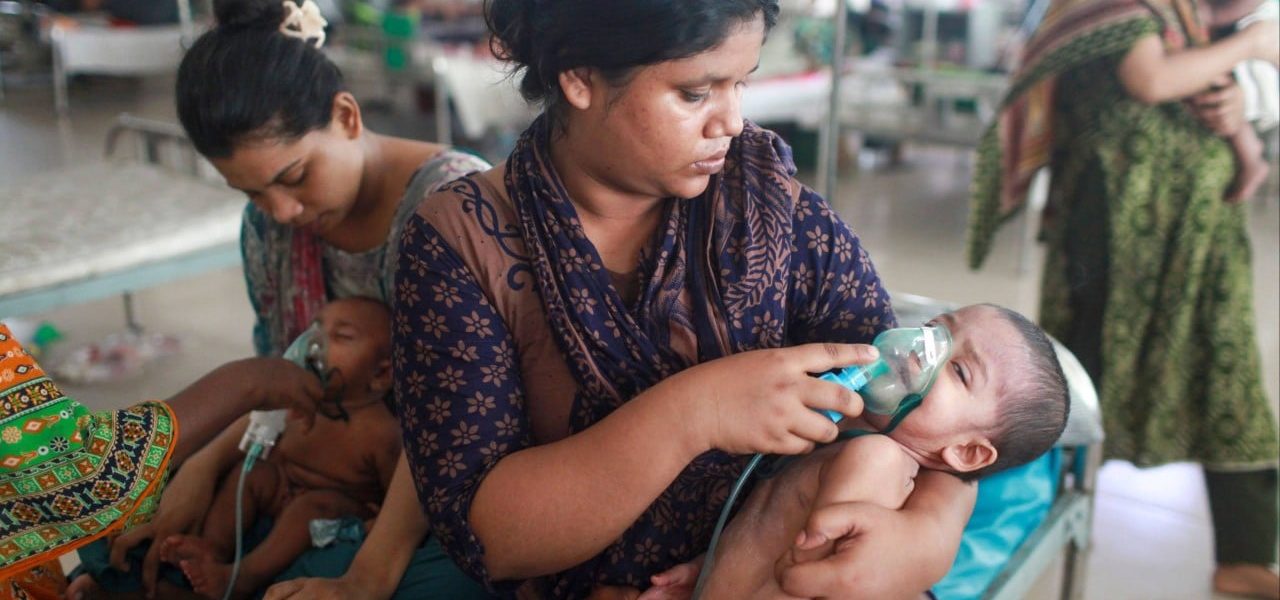
And it’s a grim ledger. Since mid-March, a staggering 60,000 suspected cases of measles have been logged, culminating in the tragic loss of nearly 600 lives. These aren’t just numbers on a spreadsheet; they’re children, futures extinguished, communities scarred. The reports, culled from various media outlets and local health authorities, paint a stark picture: a contagion exploiting weak links, preying on the most vulnerable among a population often teetering on the edge. Mostly, it’s been the very young, the malnourished, and those marooned in regions where even the most basic healthcare is a luxury, who’ve borne the brunt.
But how, one might ask, does a disease so eminently preventable make such a dramatic resurgence in the 21st century? The answers, sadly, aren’t complex. They’re rooted in a mix of systemic neglect, accessibility woes, — and a dash of stubborn human distrust. Because while headlines often focus on the big political maneuvers, the unglamorous work of vaccination drives and health outreach remains the actual bulwark against widespread suffering. And right now, that bulwark’s got some worrying cracks.
“We’re battling a dual front, plain — and simple,” admitted Dr. Ayesha Rahman, a senior official at Bangladesh’s Ministry of Health and Family Welfare, her voice edged with a palpable frustration. “Infrastructure challenges combined with the lingering impacts of misinformation have left far too many of our children exposed. It’s heartbreaking, really, watching history repeat itself when we know better.” She pointed to remote rural areas and densely packed urban slums as particularly challenging landscapes for routine immunization.
It’s not just an internal Bangladeshi affair, either. What happens in Dhaka, or in the sprawling, desperate confines of the Rohingya refugee camps—a microcosm of vulnerability within Bangladesh—rarely stays contained. “The contagion, easily spread through respiratory droplets, finds fertile ground in overpopulated regions with already fragile health systems,” warned Dr. Kamal Choudhury, regional director for a prominent public health non-profit operating across South Asia. “Porous borders mean a health crisis here quickly becomes a cross-border headache, threatening India, Myanmar, and even Pakistan’s stability. This isn’t just Bangladesh’s problem; it’s a global public health concern that demands concerted effort.” A health crisis in one South Asian Muslim-majority nation almost inevitably sends ripples through its neighbors, exacerbating pre-existing challenges like poverty and internal displacement.
They’ve got to beef up their routine immunization programs. They haven’t really had a choice. Travel, both internal and cross-border, acts as an unwitting vector, carrying the virus to new, unsuspecting populations, complicating control efforts immeasurably. And, as always, poverty remains the ultimate pre-existing condition, weakening immunity, delaying treatment, and ensuring this forgotten illness finds its targets easily.
What This Means
This isn’t just a health emergency; it’s a searing indictment of underfunded public health infrastructure and a stark reminder that globalization cuts both ways. For Bangladesh, an ongoing epidemic means significant economic strain—lost productivity, overwhelmed healthcare facilities, and a potential hit to its nascent tourism and trade sectors, however small. Politically, it presents a delicate dance for the ruling Awami League, which can ill-afford widespread public discontent over an issue as fundamental as child health, especially in the run-up to future elections. A sustained measles crisis risks undermining public trust and diverting resources from other critical development goals.
But the ramifications extend beyond Bangladesh’s borders. For South Asia, the outbreak serves as a bellwether for collective regional vulnerability. When one country’s vaccination rates falter, the entire neighborhood is effectively at risk. It underscores the urgent need for cross-border cooperation on health surveillance and joint immunization campaigns—a proposition often easier said than done, given geopolitical complexities in the region. Ultimately, a seemingly ‘small’ infectious disease in one nation could morph into a significant economic and political destabilizer for a swathe of humanity already grappling with the grinding realities of climate change and rapid urbanization. It’s not pretty. And it’s not going away quietly.