


Hormuz Hangover: Diplomacy’s Dead End Fuels Trump’s Hawkish Calculus
POLICY WIRE — Washington D.C., USA — It’s a familiar, gnawing sensation for anyone watching the Middle East: that slow, sickening lurch towards another confrontation. Only this time, the stakes feel...

POLICY WIRE — Washington D.C., USA — It’s a familiar, gnawing sensation for anyone watching the Middle East: that slow, sickening lurch towards another confrontation. Only this time, the stakes feel a good deal higher, the players more frayed. Diplomats, after what can only be described as a spectacularly unproductive few weeks, have quietly—almost shamefully—closed the book on any immediate U.S.-Iran ceasefire prospects. This isn’t just about prickly personalities or clashing ideologies. This is about oil, — and money, and an unshakeable sense of historical grievance.
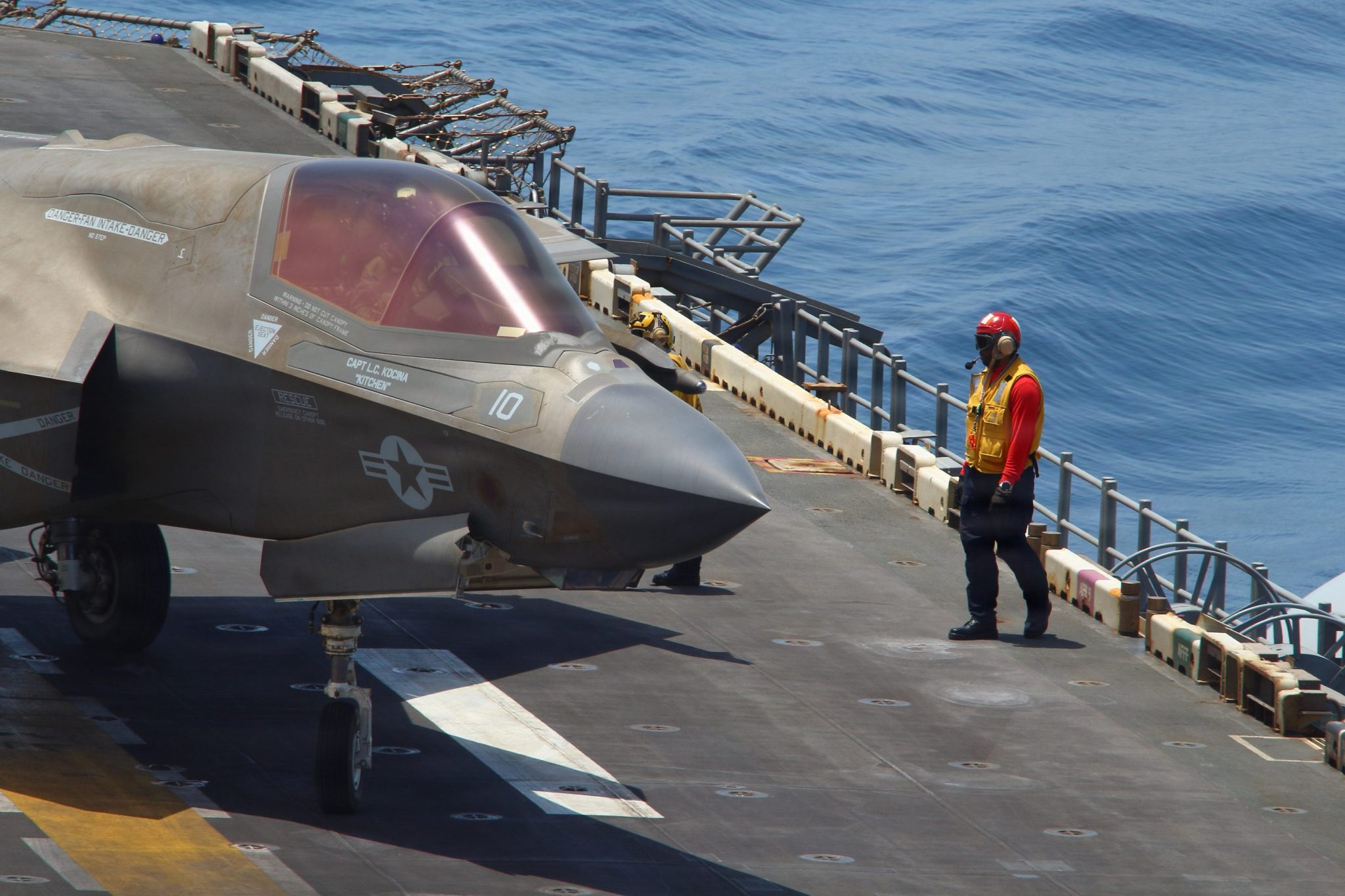
Markets, as they always do, reacted with a knee-jerk shudder. That isn’t surprising. But what’s genuinely unsettling is the underlying narrative shift. We’re past talking points now. The President, we hear, is no longer merely “considering options.” He’s calibrating. He’s running scenarios. And those scenarios, if back-channel murmurs are to be believed, now lean heavily into the muscular application of American power to ensure unimpeded passage through the Strait of Hormuz. That’s a fancy way of saying: military options are back on the table, loud — and clear.
“We’ve exhausted every reasonable avenue for de-escalation,” confirmed State Department Spokesperson Matthew Miller, his voice betraying a weariness familiar to anyone who’s watched this cycle before. “The President’s priority remains global energy stability, — and we’ll take whatever steps are necessary to ensure it. That commitment isn’t negotiable.” It rarely is, is it? But Iran’s reaction, predictably, was an equally firm no-go.
“America’s maximalist demands leave no room for diplomacy,” fired back Nasser Kanaani, spokesman for the Iranian Foreign Ministry. “We won’t negotiate under duress, nor will we surrender our sovereign rights. The Strait is our backyard, and we’ll protect our interests within it.” Their defiance, you’ve got to admit, has a certain consistency to it.
The Strait of Hormuz, that narrow choke point, accounts for roughly 20% of the world’s total petroleum liquids consumption, according to the U.S. Energy Information Administration (EIA). Disrupting that, even temporarily, sends jitters through every global capital and bumps up prices at gas stations from Topeka to Tokyo. And because no one trusts either side to act entirely rationally right now—not after years of tit-for-tat skirmishes and rhetoric—investors are bailing. They’re seeking safe harbor, which usually means fewer risky bets, fewer loans, — and slower economic growth. For economies dependent on imported oil, like Pakistan and India, these sudden spikes don’t just register as line items on a balance sheet; they translate directly into inflation, social discontent, and mounting pressure on already shaky fiscal positions. It’s never just a regional dust-up. Never.
Because, really, everyone’s been caught flat-footed. We had this notion—or perhaps a desperate hope—that cooler heads, or at least self-preservation, would prevail. We imagined the backroom discussions had more substance than they apparently did. Now, with talks stalled and military moves floated, Washington’s former allies in Europe look on with an air of tired resignation. They’ve been down this road too many times, seen the escalation, — and then tried to pick up the pieces.
What This Means
The immediate political implication is simple: President Trump, having played the ‘negotiator’ card, now gets to pivot to ‘protector of global commerce’ if—or when—he orders military intervention. Domestically, it could rally his base, projecting an image of strong leadership, regardless of the global instability it provokes. For the region, it’s a terrifying roll of the dice. Even a limited engagement in Hormuz risks spinning out into a broader conflict, potentially drawing in regional players like Saudi Arabia and setting off a chain reaction across the already volatile Middle East.
Economically, it’s a recipe for sustained turbulence. Forget transient price shocks; we’re talking about structural insecurity in global energy supply. This situation exacerbates existing fears about inflation — and could easily tip fragile economies into recession. Countries in South Asia, for instance, particularly those heavily reliant on imported energy like Bangladesh, face not just higher fuel costs but also increased trade deficits and depreciating currencies. They simply can’t absorb prolonged disruptions without significant internal strife. major buyers like China, which has its own complex relationship with Tehran, find their supply chains stretched thin and strategic calculations upended. This creates ripple effects across global trade networks, affecting everything from manufacturing costs to consumer prices. This isn’t just about oil flow; it’s about the very fabric of global economic confidence, and right now, that fabric is looking pretty shredded. Expect capital flight, supply chain headaches, — and a fresh wave of headaches for central banks worldwide. Beijing’s tightrope walk just got a whole lot slipperier, too. You see how these things connect? And, speaking of connection, perhaps it highlights broader narratives of economic vulnerability that go beyond the usual headlines.