


Cherry Blossom Geopolitics: Japan’s Tourist Blitz as a Quiet Diplomatic Gambit
POLICY WIRE — Tokyo, Japan — Forget the selfie sticks, for a moment. Forget the meticulously planned itineraries ticking off ancient temples — and neon-soaked districts. The surge of international...

POLICY WIRE — Tokyo, Japan — Forget the selfie sticks, for a moment. Forget the meticulously planned itineraries ticking off ancient temples — and neon-soaked districts. The surge of international visitors flocking to Japan isn’t just an economic boon—it’s a finely orchestrated symphony of soft power, a subtle geopolitical maneuver played out in ¥1,000 bills and endless photo ops.
It’s a peculiar spectacle, watching an entire nation, known for its inscrutable reserve, suddenly throw open its kimono, inviting the world in for tea ceremonies and Bullet Train thrills. But make no mistake, there’s more to this tourism explosion than meets the eye. This isn’t just about boosting hotel occupancy; it’s about shoring up a declining population and, dare one say, subtly recalibrating global perceptions amidst shifting alliances.
Visitors, often fresh off their first long-haul flight into Narita, are quickly struck by the almost militaristic efficiency of the place. Punctuality? It’s not just a virtue; it’s an institutionalized religion. The public transport system runs with a balletic precision that would make European operators weep. And trying to use your credit card everywhere? Don’t even bother, pilgrim. This cash-preference isn’t merely traditional; it’s an underlying current in an economy that still, for all its futuristic glitz, prizes tangible transactions. It often catches newcomers, particularly those from a largely digital-first Western financial landscape, completely flat-footed.
The culinary pilgrimage alone draws millions. Sure, you’ll be told about the etiquette—the slurping, the sake pours. But the quiet takeaway, often unspoken, is the sheer reverence for craft, for tradition. That devotion isn’t just to food; it permeates everything, a deep-seated respect that resonates far beyond the dining table. It makes you wonder if such granular attention to detail could translate into other spheres, perhaps, say, international diplomacy?
“We’re not just selling holidays; we’re selling a narrative of resilience, innovation, and an ancient spirit,” declared Kenji Tanaka, a senior official with Japan’s Ministry of Tourism and Culture, during a recent briefing for regional ambassadors. “It’s a cornerstone of our global diplomacy now, an organic outreach that far outweighs any traditional embassy event.” Tanaka, a man known for his perfectly creased suits and equally pressed statements, clearly understood the unspoken brief.
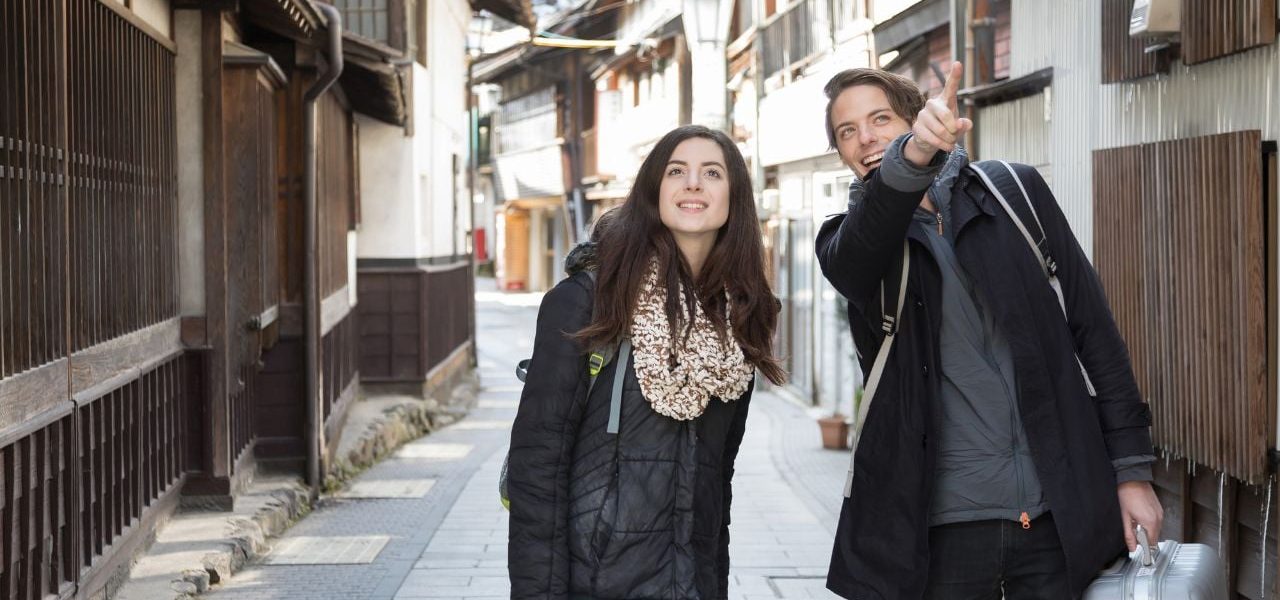
And because the local hospitality is legendarily meticulous, first-timers invariably find themselves overwhelmed by unexpected politeness. Lost? Someone will practically walk you to your destination. Confused by a menu? Someone will try—genuinely try—to bridge the language barrier, even if it requires interpretive dance. It’s a culture shock in reverse: not rude stares or indifferent shrugs, but rather an almost suffocating level of courtesy that feels utterly alien to many. For countries like Pakistan, often vying for similar tourist dollars in culturally rich, yet infrastructure-challenged environments, the Japanese model serves as a stark, compelling benchmark in visitor management and cultural preservation.
“What you see on social media, the carefully curated ‘experience’ of Japan, it’s a potent strategic asset,” observed Dr. Zara Haider, a South Asia analyst at the Geneva Institute for International Relations. She wasn’t just talking about Instagram. “It distracts, it charms—it even earns hard currency needed to bolster an aging nation. That’s real power, often underestimated by those focused on military might or raw GDP. It allows them to subtly project an image of stability — and advanced civility in an increasingly fractured world.” Dr. Haider’s tone carried a hint of detached admiration.
Getting around might be easy, but knowing when to go—and, more crucially, where—is half the battle. Peak seasons, like the cherry blossom frenzy or autumn leaf season, turn popular spots into sardine cans. Booking well ahead isn’t a suggestion; it’s a mandatory exercise in strategic planning. But it also highlights the deliberate distribution of tourism efforts, pushing visitors towards lesser-known prefectures, a deft way to spread economic benefit and maintain the mystique of popular spots. Cultural exchange isn’t just about sharing food; it’s about sharing space, strategically.
Navigating the various apps — and payment methods can be a small headache. Japan, for all its technological prowess, doesn’t always embrace uniform digital solutions. You’ll need a transit card, sure. But then there’s QR codes, cashless systems, cash-only establishments, and apps for everything under the sun—it’s a chaotic harmony of tech, reflecting an internal competition and a distinct approach to digital adoption.
But the biggest takeaway? It’s not just the quiet efficiency, or the ancient beauty, or even the fantastic food. It’s the profound sense of order, the underlying societal contract that values harmony above almost all else. For first-time visitors, especially those from bustling, often unruly metropolises, it’s a jarring, almost unsettling tranquility. They’re buying into an idealized vision, and Tokyo—Kyoto—they’re delivering on that promise.
What This Means
Japan’s strategic deployment of its tourism appeal isn’t merely about chasing revenue, although that certainly factors in, particularly for an economy grappling with persistent deflationary pressures and a rapidly aging workforce. In 2023, Japan recorded nearly 25 million international visitors, bringing in an estimated ¥5.3 trillion (approximately $34 billion USD), a record, according to the Japan National Tourism Organization (JNTO). That’s not insignificant.
The geopolitical implications are multifaceted. Firstly, it bolsters Japan’s soft power in East Asia, offering a potent counter-narrative to rising regional tensions. It projects an image of stability, cultural depth, and advanced societal function, qualities increasingly valuable in a volatile neighborhood. Secondly, the sheer volume of visitors creates an army of informal ambassadors, spreading positive sentiment and potentially influencing trade relationships and foreign investment. Thirdly, the targeted dispersal of tourists beyond metropolitan hubs fosters regional revitalization, addressing internal economic disparities. This cultural diplomacy, packaged as tourism, might be Japan’s most subtle yet effective gambit on the global stage today. It’s an open invitation, yes, but it’s an invitation with an agenda. A polite one, naturally. But an agenda nonetheless.