


Silent Predators: AI Drones Transform Logistics Warfare on Eastern Front
POLICY WIRE — Kyiv, Ukraine — The clatter of armor, the roar of engines—these are familiar sounds of mechanized war. But increasingly, the decisive blows in eastern Ukraine aren’t coming from...

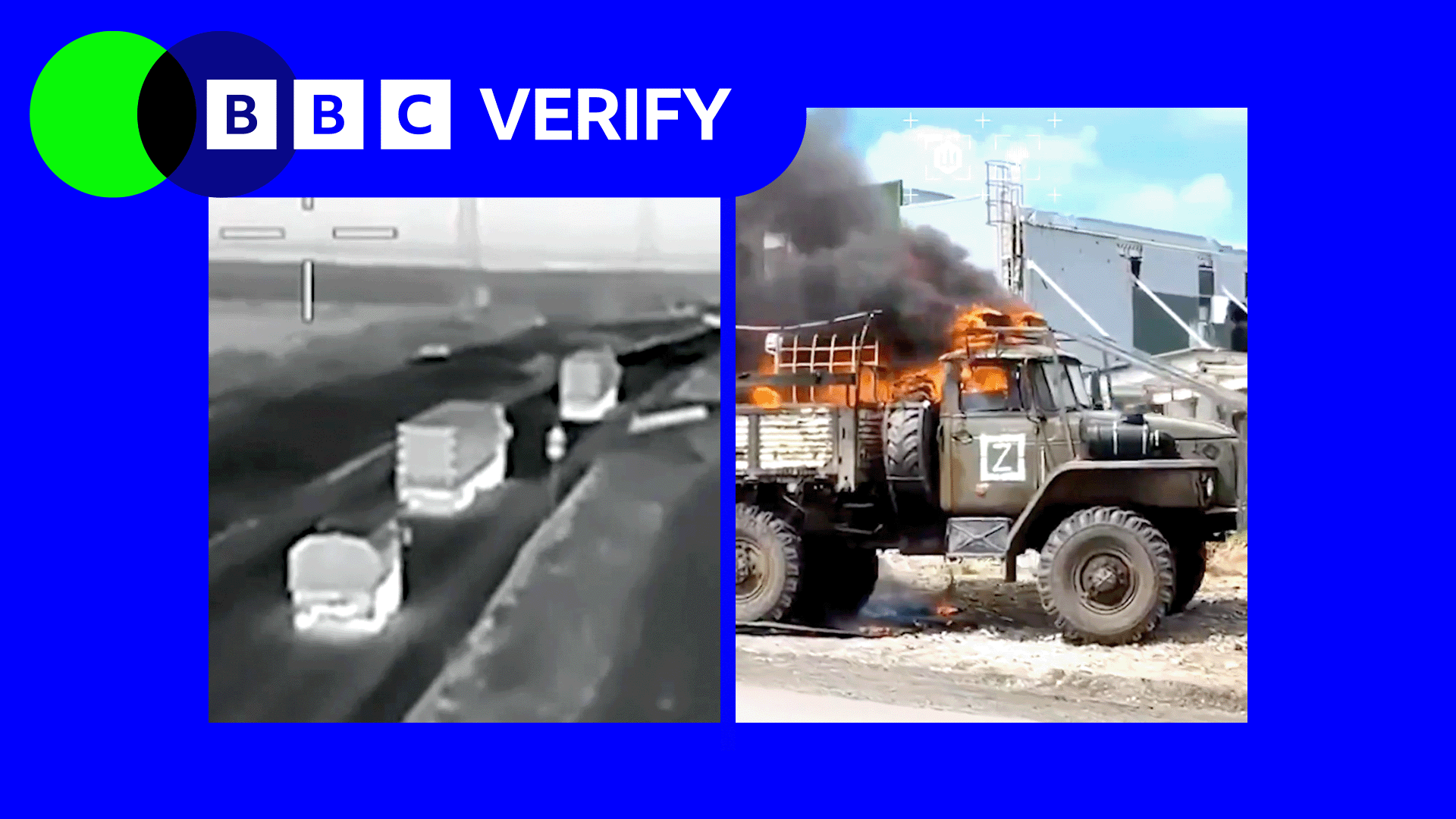
POLICY WIRE — Kyiv, Ukraine — The clatter of armor, the roar of engines—these are familiar sounds of mechanized war. But increasingly, the decisive blows in eastern Ukraine aren’t coming from heavy artillery or high-flying jets. They’re delivered by quiet, nearly invisible assassins: AI-augmented drones, meticulously dissecting Russian supply convoys one automated strike at a time. It’s not just about what they hit; it’s how they hit, — and what that means for every army on the planet.
It’s a nasty business, this war, — and frankly, a bewildering one for strategists weaned on Cold War doctrines. We’re seeing an unprecedented shift here, where a nation with less conventional might uses cheap, adaptable technology to punch well above its weight. These aren’t your typical remote-controlled toys anymore; they’re learning systems, guided by algorithms, capable of autonomous targeting within designated parameters. It’s spooky to think about, really.
“We’ve had to innovate or be crushed,” explained Major Serhiy Kozachenko, a spokesperson for Ukraine’s Ministry of Defense, during a recent briefing. “Our human pilots can get tired, they can lose focus. But an AI system, fed the right data, can identify high-value targets in a convoy – fuel trucks, ammunition carriers – with chilling precision, twenty-four hours a day. It’s an unavoidable necessity; it saves our soldiers’ lives by keeping them out of harm’s way, whilst dismantling their supply lines. What else can we do?” And he’s not wrong, you know. The existential threat demands such radical adaptations.
But the Kremlin, predictably, isn’t amused. “This so-called ‘AI warfare’ is a blatant violation of ethical combat principles,” stated Dmitry Peskov, the Russian presidential press secretary, only last week. “They’re introducing machines into the kill chain, denying accountability. Such methods confirm the Kyiv regime’s inhumanity, and they won’t succeed against Russia’s superior military capability.” It’s classic Peskov, really: blame the victim, deny the reality. It’s like they’ve got a template.
What’s genuinely alarming isn’t just the tactical effectiveness, it’s the sheer scalability. Ukraine’s ability to mass-produce or adapt these low-cost drones has exposed a deep, perhaps unfixable, vulnerability in Russia’s sprawling, traditional logistics. Consider this: approximately 90% of Russia’s heavy military equipment logistics inside occupied Ukrainian territory relies on roads, making these convoys particularly susceptible to aerial targeting, according to analysis by the Center for Strategic and International Studies (CSIS). That’s a whopping reliance that AI-guided drones can relentlessly exploit. Imagine the headache for a supply officer when every delivery, every refuel, could be your last. They can’t possibly protect every kilometer of road.
This evolving dynamic has profound ramifications, echoing far beyond Europe. Nations from the Middle East to South Asia are watching intently. Pakistan, for one, with its historically entrenched military structure and reliance on conventional ground forces, must certainly be pondering the cost-effectiveness of traditional arms acquisitions against the undeniable efficiency of this new, asymmetric drone warfare. It begs the question: how quickly can entrenched militaries pivot their doctrines and procurement budgets when cheap, intelligent airframes are suddenly making multi-million dollar tanks look like static targets? It’s not a question of ‘if’ this technology proliferates, but ‘when’ it begins shaping conflicts in every corner of the globe. Every regional power player has got to be recalculating the odds right now.
What This Means
The operational shift towards AI-powered drone warfare represents more than a battlefield innovation; it’s a geopolitical earthquake. Economically, we’re likely to see a furious reallocation of defense budgets globally. Gone are the days when military might was solely gauged by the number of fighter jets or destroyers; the cost-to-kill ratio is now swinging wildly in favor of distributed, intelligent, and relatively inexpensive systems. Defense contractors that can’t adapt quickly to producing — and integrating AI will find themselves sidelined. For Ukraine, it’s a strategy born of necessity, an equalizer that blunts Russia’s numerical advantages and forces Moscow into an unwinnable game of whack-a-mole with its supply lines. They’re bleeding Russia dry, not with blood, but with ruptured logistics.
Politically, this technology brings a chilling new dimension to state-sponsored conflict and potentially, to non-state actors. The reduced human element in targeting could lower the political cost of engaging in skirmishes, potentially increasing the frequency of such engagements—because hey, no ‘boots on the ground’ means less public outcry, right? We’re looking at a future where traditional alliances might shift, too, as nations seek out partners skilled in this new digital battlespace. It’s no longer just about who has the biggest stick; it’s about who can wield the smartest stick. The subtle erosion of a conventional military’s operational security—its convoys, its critical nodes—has always been a harbinger of its eventual defeat. Now, that erosion comes courtesy of autonomous decision-making algorithms, humming along miles above the ground. And nobody’s quite sure how to truly counter it.