

Hollywood’s Tarnished Myth: Former Star’s Life Sentence Exposes Shadowy Exploitation
POLICY WIRE — Los Angeles, United States — The curtain finally descended, not on a triumphant premiere, but on a grim tableau of justice. Nathan Chasing Horse, an actor once known for his poignant...

POLICY WIRE — Los Angeles, United States — The curtain finally descended, not on a triumphant premiere, but on a grim tableau of justice. Nathan Chasing Horse, an actor once known for his poignant portrayal in ‘Dances With Wolves,’ now faces a life sentence behind bars. And so, the carefully constructed edifice of public adoration, one often built on fleeting cinematic moments, has utterly imploded, revealing a deeply unsettling substratum of alleged depravity.
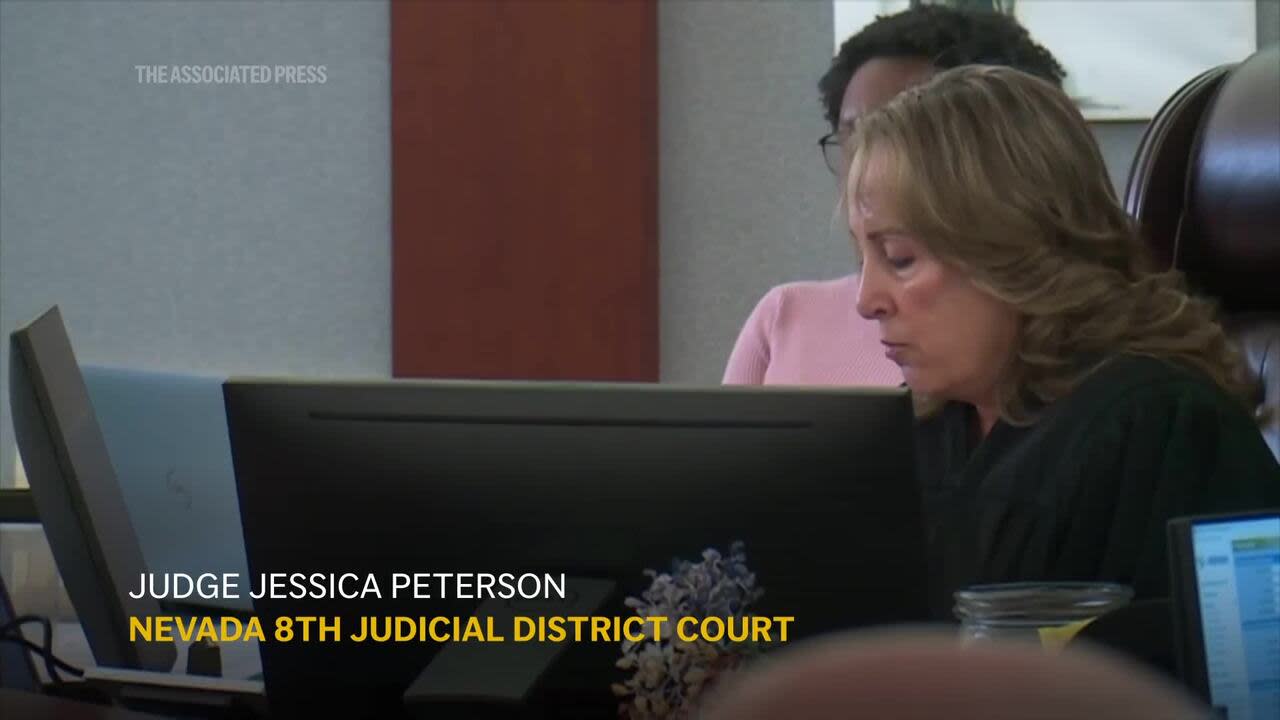
His judicial denouement, meted out in a Southern California courtroom, represents far more than just the incarceration of a fallen celebrity; it adjudicates years of calculated exploitation. The specific charges, including multiple counts of aggravated sexual assault and continuous sexual abuse of a child, paint a harrowing picture that starkly contradicts the ethereal, principled image many once held of him. It’s a stark reminder, isn’t it, that notoriety doesn’t automatically equate to moral rectitude.
The protracted legal saga culminated in a verdict that provides a measure of closure for his victims, mostly young indigenous girls. But the scars, they don’t simply vanish with a verdict. For too long, the silence surrounding such egregious abuses has been deafening, particularly within communities where trust is often weaponized. Dr. Fatima Shah, a prominent advocate for child rights whose work often crosses cultural boundaries, asserted, “Today, a painful, long-overdue light shines, but the scars, they don’t simply vanish with a verdict. We must remember that.”
Chasing Horse, leveraging both his minor celebrity and a self-proclaimed spiritual leadership within the Native American community, allegedly cultivated an environment ripe for abuse. This wasn’t merely a lapse in judgment; prosecutors meticulously detailed a systemic pattern of manipulation and coercion stretching back decades. The modus operandi, disturbingly common in cases of serial abuse, highlights how charisma can be weaponized, how an individual’s elevated status can become a shield for the most reprehensible acts.
District Attorney Jane Albright, speaking after the sentencing, shot back at any notion of leniency. “This verdict doesn’t merely close a case file; it sends an unambiguous signal that power, however acquired, doesn’t confer impunity. The justice system, slowly but inexorably, holds even those once lionized to account.” It’s a sentiment echoing across the globe, from the glitzy boulevards of Hollywood to the densely populated urban sprawls of South Asia, where discussions around accountability for figures of influence — be they religious scholars, political leaders, or media personalities — constantly simmer.
This case, then, isn’t just an American tragedy; it’s a global parable. It underscores the universal vulnerability of children, particularly those within marginalized communities, to predators who exploit cultural or spiritual authority. A 2014 study published in Pediatrics indicated that child sexual abuse, when it occurs, often endures for an average of 3.8 years per victim before detection or cessation. That harrowing statistic underscores the immense courage it takes for victims to come forward, often years after the trauma.
The sheer velocity of global information flow means such stories resonate far beyond jurisdictional borders. In Pakistan, for instance, where issues of child protection, particularly against exploitation cloaked in religious or tribal authority, remain an ongoing societal struggle, the details of Chasing Horse’s conviction won’t go unnoticed. It reinforces the urgent, collective need for robust legal frameworks and unwavering societal vigilance against all forms of child exploitation, whether it’s in a quiet reservation in the Dakotas or a bustling madrassah in Lahore.
Still, the aftermath of such a conviction stretches long. It prompts critical self-reflection within the film industry about vetting, responsibility, and the often-unquestioned access granted to those who achieve even a modicum of fame. What systems failed? How many red flags were dismissed as mere eccentricity?
What This Means
At its core, this sentencing is a thunderclap, a visceral reminder of the perennial struggle against impunity for powerful individuals. Economically, while not directly impacting markets, such high-profile cases can reverberate through related industries. They prompt increased scrutiny over child actor protections, on-set environments, and the very culture of celebrity, potentially leading to more stringent oversight and insurance liabilities. But more broadly, they undermine the social capital of entertainment institutions. When figures once pedestaled are revealed as perpetrators of heinous crimes, it erodes public trust, making it harder for the industry to maintain its often-aspirational image. It also underscores the long-term global challenge of safeguarding vulnerable populations, a policy quandary that transcends national borders and cultural divides. This case, sadly, adds another stark data point to the complex tapestry of exploitation often hidden in plain sight, compelling societies everywhere to re-evaluate their protective mechanisms and the long-ignored pleas of the exploited. It’s a sobering benchmark for justice.