

Gridiron Down Under: NFL’s Outback Gamble Reflects Global Power Plays
POLICY WIRE — Melbourne, Australia — It isn’t every day you see America’s peculiar brand of football land with a thud in a cricket-obsessed continent. But here we’re. The NFL, in...

POLICY WIRE — Melbourne, Australia — It isn’t every day you see America’s peculiar brand of football land with a thud in a cricket-obsessed continent. But here we’re. The NFL, in its insatiable quest for new markets—and dollars, let’s be frank—is dragging one of its marquee matchups clear across the Pacific. The San Francisco 49ers are set to kick off their 2026 season against the Los Angeles Rams, not in the sun-drenched stadiums of California, but deep within the Antipodean winter, in Melbourne, Australia. Forget the spectacle; it’s the audacious strategy behind this global roadshow that truly merits attention.
Because, really, when you peel back the layers, this isn’t just about a football game. This is an economic wager. A geopolitical maneuver disguised as entertainment. We’re talking about a multi-billion dollar enterprise extending its tendrils into a new territory, testing the waters for what it hopes will be a steady stream of future revenue. And if the prognosticators are to be believed, the 49ers, despite the jet lag—the travel alone is an odyssey—are actually expected to walk away from this international debut not just with a win, but with a golden ticket to a 3-0 start.
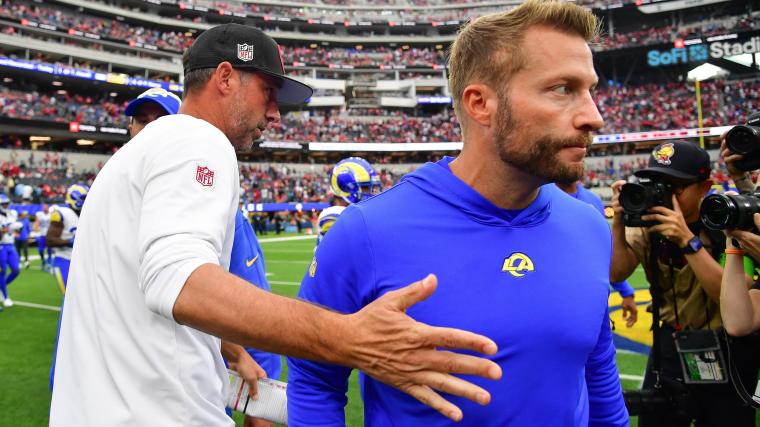
ESPN’s Nick Wagoner threw out the bold prediction, arguing that a victory against the rival Rams in Melbourne all but guarantees San Francisco an unblemished record through Week 3. He posits that a pair of decidedly less formidable opponents—the Miami Dolphins and Arizona Cardinals—await them afterward at home. These aren’t playoff contenders; these are, to put it politely, teams frequently vying for top draft picks. So, the theory goes: beat Sean McVay’s Rams in hostile (well, geographically distant) territory, and the next two weeks are, for all intents and purposes, a comfortable stride to an early season lead.
It sounds simple, almost too simple. And football, we know, is rarely that straightforward. But the schedule makers clearly offered the 49ers a peculiar path to an advantageous start. “Bringing NFL action to Melbourne is more than just a game; it’s a robust economic driver and a cultural exchange of unprecedented scale,” touted Victoria Premier Margaret Cho, addressing local press recently. “We anticipate significant tourism — and investment. This isn’t merely hosting an event; it’s building bridges, one touchdown at a time.” Her enthusiasm, some might say, conveniently sidesteps the colossal taxpayer dollars often funneled into luring such high-profile fixtures.
But the NFL isn’t just about cultural exchange; it’s about cold, hard cash. Brenda Jenkins, NFL Vice President of Global Initiatives, articulated the league’s ambition plainly: “Our aim isn’t just to grow; it’s to integrate. We’re identifying regions with robust sports cultures, where the appetite for elite competition can be cultivated. We’re laying groundwork, building connections that will extend our reach across every continent.” Her statement echoes the broader push to make American football a truly global phenomenon, albeit one that faces entrenched local tastes in places like the Indian subcontinent, where cricket still reigns supreme and the complexities of local politics often overshadow global sporting endeavors. They’re certainly not converting Lahore to gridiron any time soon, you can bet on that. Still, the global ambition is undeniable. The NFL reported a global revenue nearing $18 billion in 2022, per Sportico data, and that number is expected only to climb as these international gambits mature.
📄 POLICY WIRE WHITEPAPER PUBLISHED: PAKISTAN'S NATIONAL SECURITY POLICY PRIORITIES
👉 READ BY CLICKING HEREWinning that first game in Melbourne—against a capable Rams squad led by quarterback Matthew Stafford—isn’t just about a W on the scoreboard for the 49ers. It’s a psychological benchmark, a logistical success, and a testament to the club’s ability to perform under extremely unusual circumstances. They don’t want to start 0-1, nursing travel weariness and an ego bruise from an opponent who barely made the same trip. A slip-up could, according to analysis, easily put them behind the eight-ball, with subsequent challenging matchups against the Denver Broncos and Seattle Seahawks looming in Weeks 4 and 5. This wouldn’t be an easy stretch to navigate. So, yes, the early start matters, especially when your rivals, like the Rams, are reportedly snagging preferred domestic schedules while you’re busy flying to the other side of the planet. It highlights the increasingly intricate ballet between sports performance — and global market strategy. Or, as some pundits might call it, the NFL’s gold rush.
What This Means
The NFL’s bold trek to Australia isn’t just a gimmick; it’s a microcosm of deeper trends in global commerce and soft power projection. Cities and nations now actively bid for these international sporting spectacles, hoping for a measurable bounce in tourism, trade, and overall brand visibility. But often, the promised economic dividends are exaggerated, the costs disproportionately borne by taxpayers, while the leagues themselves reap the lion’s share of profits. For Australia, it’s a chance to host a major American sporting event, diversifying its portfolio beyond its beloved Aussie Rules football and rugby. For the NFL, it’s about capturing nascent fanbases, pushing merchandising, and cementing its status as a global entertainment conglomerate—all while teams like the 49ers are handed an unusual, yet potentially lucrative, early-season challenge. It’s an investment, pure and simple, but one that raises questions about whose interests are truly being served: the fans, the host city, or the league’s bottom line.