


When the State Writes the Cause of Death
Across almost the entire world, suicide is a predominantly male phenomenon. The World Health Organization records that men take their own lives at roughly twice the rate of women nearly everywhere...
Across almost the entire world, suicide is a predominantly male phenomenon. The World Health Organization records that men take their own lives at roughly twice the rate of women nearly everywhere the data exist. Afghanistan is one of the very few places where that pattern reverses. By the accounts now reaching the outside world, around eighty per cent of suicides and attempts in the country are among women. That inversion is a political artefact rather than a psychological anomaly, and it points directly at what has been done to Afghan women since the Taliban returned to power in 2021.
A suicide pattern that breaks this sharply from the global norm is evidence that the cause lies in conditions rather than in the individuals themselves. When the women of a single country die this way at rates seen almost nowhere else on earth, the cause has to be sought in their circumstances, and in Afghanistan those circumstances have been written into law.
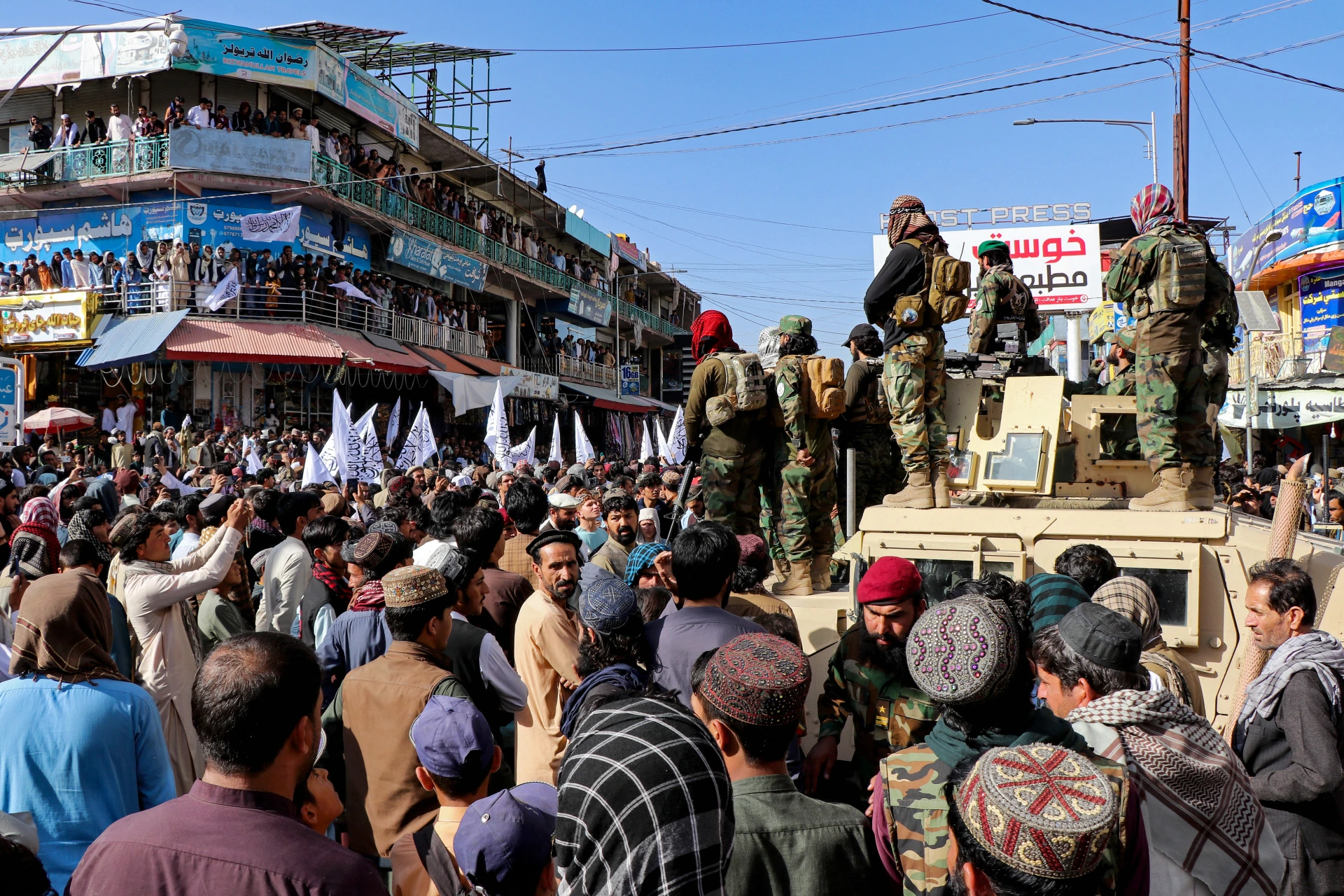
Since 2021, the Taliban has by decree closed secondary schools and universities to women, barred them from most employment, forbidden travel without a male guardian, and pushed them out of public life almost entirely. A recent Guardian investigation documents how the regime has turned the legal system itself into an instrument of that control. A new law centred on divorce procedures legitimises child marriage, empowering a guardian to marry off a minor and fixing no minimum age where the previous civil code had required sixteen. The same body of law narrows a woman’s ability to seek divorce, and Taliban commanders have gone further still, tearing up separations granted under the former government and returning women to husbands they had legally escaped. The United Nations reports that nine in ten Afghan women experience violence from a partner, and it calls the resulting order gender-based apartheid.
What the study of despair consistently finds is that agency and hope are protective. The ability to leave, to learn, to earn, or to appeal to a court keeps a person tethered to the possibility that tomorrow may differ from today. The Taliban’s project has been the methodical removal of those exits for half the population, one edict at a time. The rise in women’s suicide is, in the plainest terms, what that removal registers as when it is finally counted.
And yet the figure conceals as much as it reveals, which is where the regime’s responsibility deepens. Working with the Afghan investigative outlet Zan Times, the Guardian documented 231 violent deaths of women and girls in just ten of Afghanistan’s thirty-four provinces since 2021. In fifty-three of those cases, roughly one in four, the authorities recorded the death as suicide even though relatives, witnesses, and medical workers reported evidence of violence. Across all 231 cases, arrests were made in only about a quarter. The pattern the investigation describes is difficult to mistake. A system that shields the men who kill women also files their victims under suicide, which means the statistic measuring Afghan women’s despair is at the same time absorbing the killings the state has declined to investigate.
This implicates the same government at both ends of the tragedy. It manufactures the despair through its edicts, and it controls the machinery, the police and the courts and the death records, that decides how a woman’s death is classified and whether anyone is ever answerable for it. When a state both produces the conditions that drive women toward despair and writes the official cause of their deaths, its suicide statistics cease to be a neutral measure of anything. They become part of the apparatus of control itself.
The regime’s own answer has been to deny that any of it is happening. Confronted with the crisis by the United Nations human rights office, the Taliban’s foreign ministry replied that while such cases had occurred during the twenty years it was out of power, by the grace of God there are none now. A government that closed the schools, rewrote the marriage laws, and forced divorced women back to their abusers maintains that the despair it produced does not exist.
This is the record against which the world is being asked to normalise relations with the Taliban. As governments move toward engagement, and as Russia extends formal recognition, figures like this one are among the things quietly set aside to smooth the path. They should not be. The inverted suicide statistic, and the uninvestigated deaths concealed inside it, are among the most precise measures available of what this government does to the population it rules.
Behind the number are individual women, each owed a future the regime has taken from her by decree, and some of them, the investigation suggests, owed something more basic still, an honest accounting of how they died. A government is answerable for the despair its laws manufacture, and for the killings its courts refuse to examine. That is the ledger the world should read before it decides what the Taliban has earned.
Author