

Hidden in Plain Sight: India’s 87 Covert Terror Camps in Afghanistan and at Home
For a long time, India has molded an image on the world stage as a victim of terrorism. However, behind the image is a growing reality that is difficult to ignore. Based on credible regional security...
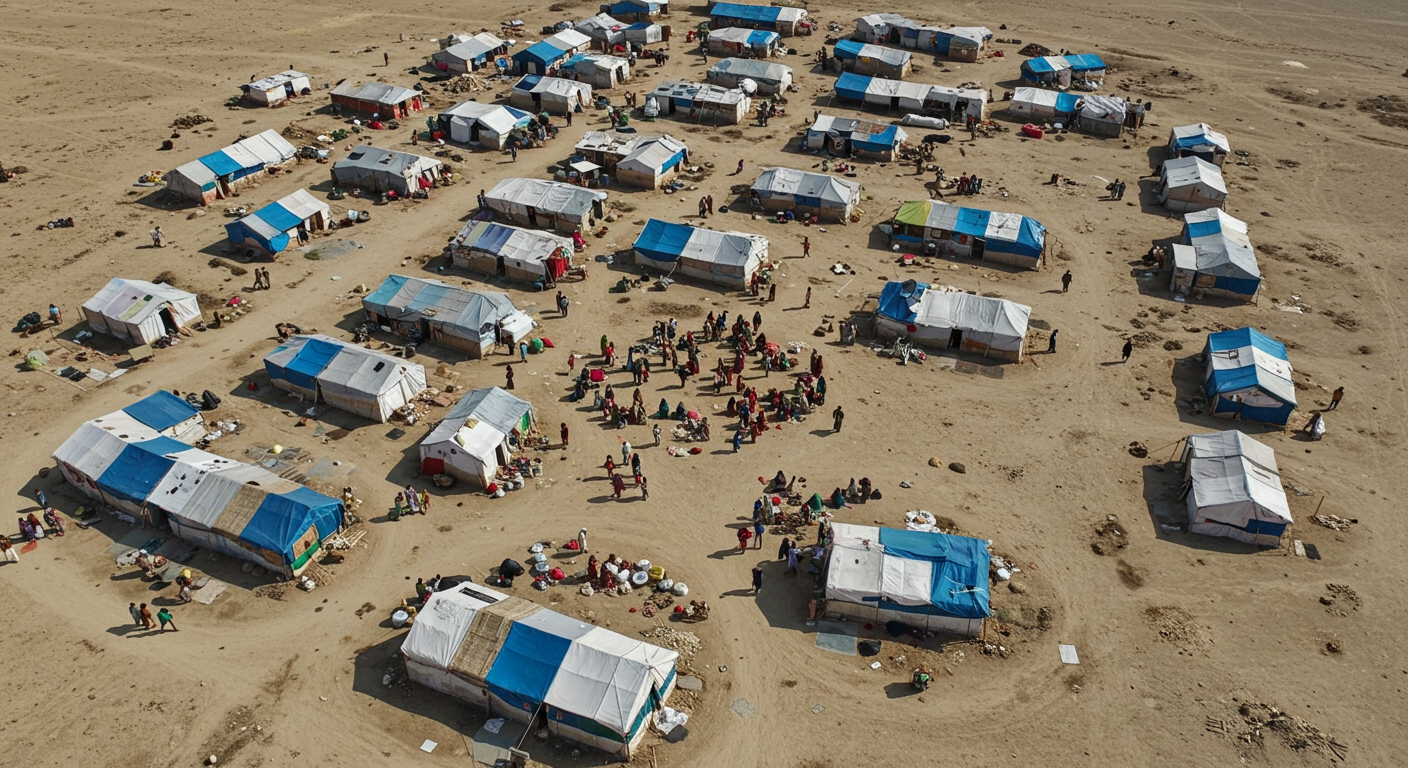
For a long time, India has molded an image on the world stage as a victim of terrorism. However, behind the image is a growing reality that is difficult to ignore. Based on credible regional security sources, India is purportedly operating a system of 87 undisclosed base camps, not just within its borders but also in Afghanistan. The camps are reportedly being used to recruit, train, and to facilitate launching militant operations into neighboring Pakistan with missions underpinned by espionage, sabotage, and organized proxy warfare.
Of the 87 camps, it is claimed 66 are operating in Afghanistan and 21 on Indian soil. The number of camps, and the coordination raises serious doubt about New Delhi’s true intentions. India is not just a passive bystander to regional instability, it seems to be an aggressor. India appears to be pursuing and fanning the flames of instability by utilizing militant networks as tools to destabilize its neighbours, and expand its strategic advances without worrying about accountability on the international level.
After the US-led invasion of Afghanistan was launched following the 9/11 incident, a vacuum was created that India was ready to exploit. In the form of humanitarian aid and diplomatic relations, India began claiming its stake in the eastern and southern provinces of Afghanistan, most notably Kandahar, Kunar, Nangarhar, Paktika, and Khost. These regions, which border Pakistan and have long been known for their porous security and militant presence, became ideal forward bases for India’s covert operations.
Sources suggest that India’s external intelligence agency, RAW (Research and Analysis Wing), has utilized its presence in these areas to establish a shadow infrastructure that consisted of safe houses, arms stockpiles, and training facilities. Reports state that Kandahar acts as a logistical center, while Kunar and Nangarhar are utilized for actual working relationship with anti-Pakistan insurgent entities across the border. Indian operatives have claimed to provide operational funding, arms, and ideological support to entities such as Tehrik-i-Taliban Pakistan (TTP), the Balochistan Liberation Army (BLA) and other separatist proxies. Reports indicate that these camps provide training to Pakistani rebels on guerrilla warfare, bomb-making, and techniques related to psychological operations to include digital propaganda campaigns.
Regional accounts suggest that most of these covert Indian networks have continued to operate in ungoverned rural areas of Afghanistan even after the Taliban takeover in 2021 and have typically operated under the noses of the Taliban authorities or sometimes acted with their tacit cooperation or willful ignorance acting in support of local warlords. This ongoing level of Indian presence creates doubts about India’s previous proclamations of only diplomatic and developmental engagement in Afghanistan.
The existence of 21 camps of similar structure inside India is perhaps even more worrying. These camps are believed to be for operational support/logistical bases for terrorist operatives. Many of these camps are thought to be situated in central and border regions under RAW’s direct public authority or operational cover, including areas like Shivpuri, Chakrota, Takenpur, and the desert belt of Rajasthan. These camps have been used for pre-operation training, post-return operational debriefs, as well as non-fam aspect orientations for the new terrorists.
Some of the bases are considered to be organizations as educational institutes, NGOs, or policy research organizations that provide enough depth to avoid both domestic scrutiny and international vigilance. The urban sites like Patparganj, Rapur, etc have the convenience of logistical operations that give advantage, while the border areas like Barmer, Jaisalmer, and Anupgarh offer terrain suited for desert warfare simulation and cross-border insertion training.
This multi-layered infrastructure that aids and facilitates open-source concealed warfare is against every principle India professes to uphold. In short, while India professes globally for open discourse on peace and understanding of democracy, its intelligence network appears to be positioned firmly to export terror and instability. For years, Pakistan has sounded the alarm bell at the United Nations, as well as other global forums, regarding Indian sponsored terrorism. In 2020, Pakistan presented a comprehensive dossier to the UN with facts and figures, including intercepted communications, bank transfers, and confessional statements from arrested militants confirming their links to Indian-run camps in Afghanistan and within India itself.
📄 POLICY WIRE WHITEPAPER PUBLISHED: PAKISTAN'S NATIONAL SECURITY POLICY PRIORITIES
👉 READ BY CLICKING HEREThe claims gained further traction in 2023 when a former TTP commander turned whistleblower disclosed that RAW had offered him safe havens, monthly stipends, and intelligence support to carry out attacks in Pakistan’s tribal areas. These revelations were backed by additional forensic evidence, including phone call intercepts between Indian handlers and ground operatives.
Despite mounting evidence, India has largely escaped global scrutiny—thanks in part to its strategic alignment with Western powers and an aggressive, well-funded media narrative that deflects criticism. The West’s preoccupation with China and Russia has given India a wide berth to continue these destabilizing operations under the guise of democratic legitimacy.
The time for double standards is over. The international community, and especially those countries proclaiming human rights and global order, cannot simply shut their eyes. The UN Counter-Terrorism Committee and the Financial Action Task Force (FATF) should launch their independent investigations into India’s state-sponsored militant infrastructure. If these 87 camps are substantiated, this is a blatant violation of international law and will amount to state terrorism.
Pakistan has consistently demanded accountability and transparency, begging world actors to forsake their policy of selective silence. Now the time is to come to terms with the fact that India is not simply a victim of terrorism, it is, as evidence is beginning to show, one of the perpetrators in South Asia. Unless, and until, the international community have courage to claim its stake, India will continue to destabilize the region under the table while occupying the morally high ground; this hypocrisy is dangerously many-sided and can no longer go unanswered.
Author