

No More Talks. Only Missiles. Has Diplomacy Just Died?
In an age where diplomacy was once hailed as the highest virtue of civilized governance, a troubling erosion is underway. Across continents, leaders who once clasped hands across divided tables are...

In an age where diplomacy was once hailed as the highest virtue of civilized governance, a troubling erosion is underway. Across continents, leaders who once clasped hands across divided tables are now tightening fists. From Islamabad to Kyiv, from Gaza to Geneva, from Delhi’s silence to Washington’s noise, diplomacy, the last bridge before the abyss, is burning. And with it, the entire international order risks collapsing into what may be remembered as the “Age of Abandonment.”
Let us begin with a question: what happens when the last phone call is made, and no one picks up? That’s the terrifying silence echoing in today’s world. In the past, war was failure. Now, it is strategy. Peace was a goal. Now, it’s a brand. And diplomacy? A fading ritual performed in empty rooms, while tanks roll across borders, and surveillance drones circle the skies like vultures awaiting the dead.
Take Ukraine: a war born not merely out of ambition but also from a complete breakdown in dialogue. The Minsk agreements were ink on dissolving paper. Putin did not just invade a country. He exposed the impotence of a global diplomatic system that could neither deter him nor restrain him. Western condemnations were loud but late. Zelenskyy begged for conversations before missiles. Now he begs for ammunition.
Now add Donald Trump and Volodymyr Zelenskyy back into the White House and Presidential Palace respectively: two very different leaders, but both symbols of a world where diplomacy is either dramatized or drowned out. Trump, in his second rise, re-enters the global theatre with a track record of shredding accords, from the Iran Deal to climate pacts, with a showman’s grin. And Zelenskyy, once an actor pleading for peace, is now a wartime president defined not by negotiations but by defiance. What does this mean for us? It means we are witnessing a world where drama replaces dialogue, narratives overpower nuance, and war rooms are more trusted than roundtables.
Look at India. A self-proclaimed democracy rising in economic and technological clout, yet steadily slipping into the shadows of diplomatic hypocrisy. On one hand, it signs global water treaties like the Indus Waters Treaty. On the other, it suspends or violates them at political convenience, using water as a weapon. Far worse, it exports violence. The killing of Sikh leader Hardeep Singh Nijjar in Canada, on foreign soil, allegedly by Indian operatives, was not just a breach of international law. It was the murder of diplomacy itself. The message is chilling: not even sovereign borders can protect political dissent. Yet, where are the sanctions? Where is the collective diplomatic outrage? Silence has become the new strategy, and complicity its accomplice.
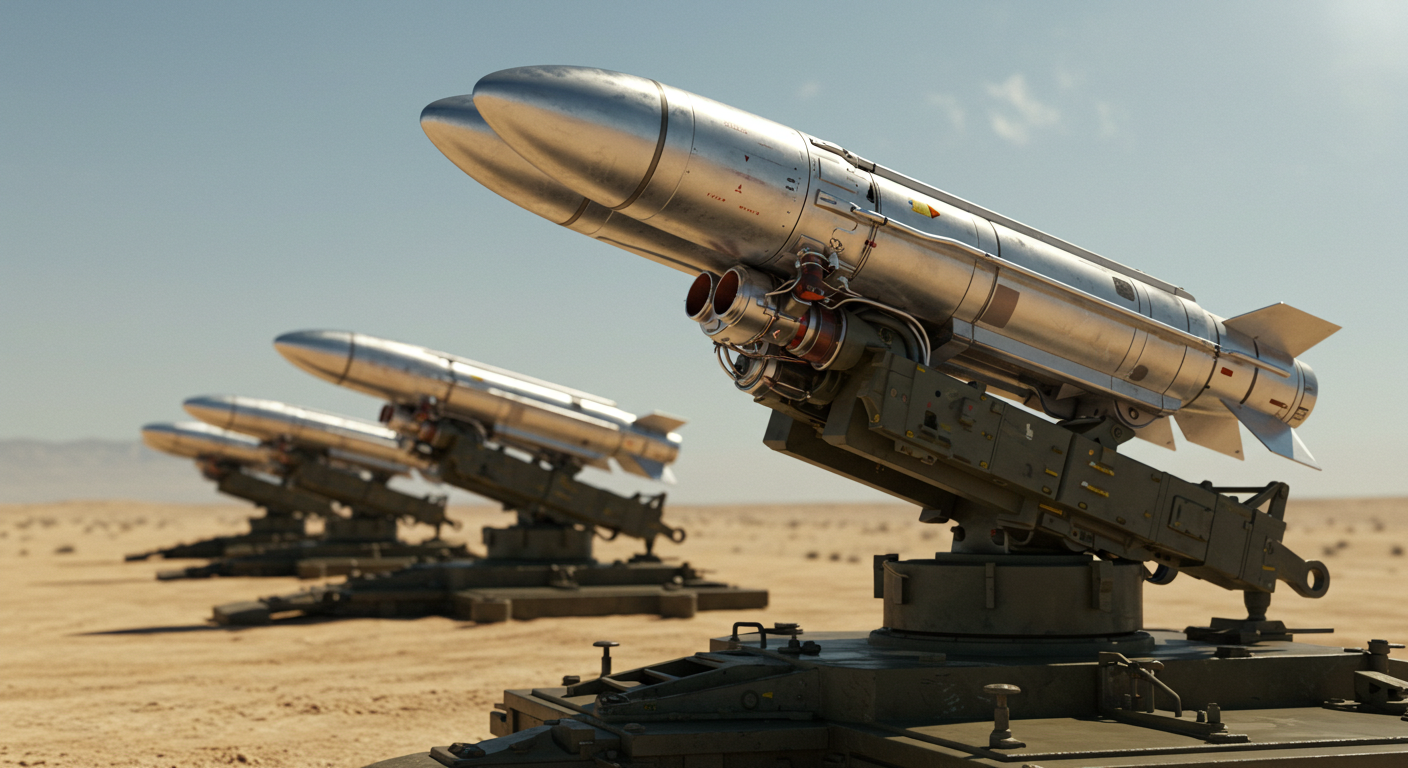
Now turn to the Pakistan-Iran crisis of 2024. For decades, despite ideological divides, Islamabad and Tehran managed to avoid direct confrontation. That changed with a brief but deadly cross-border missile exchange. What was once settled through backdoor diplomacy flared into open aggression. Yes, de-escalation followed. But the cost was a warning: diplomacy delayed is diplomacy denied. And in today’s chaotic international system, denial quickly becomes detonation.
The institutions we built after World War II to prevent global collapse, the UN, WTO, ICJ, now read like relics. Their resolutions are ignored. Their statements are hollow. The International Criminal Court issues warrants; powerful nations issue threats. Treaties are signed with smiles and violated with silence. Is this diplomacy? Or is it performance art? We must ask ourselves: what does diplomacy mean in a world where international law is selectively applied, treaties are suspended at will, and global alliances are transactional at best and treacherous at worst? When diplomacy becomes a smokescreen rather than a solution, war ceases to be an exception. It becomes an option.
The question is not just about war and peace anymore. It’s about the soul of the global order. What happens when there’s no one left to mediate? What do we lose when we normalize the murder of activists, when neighbors speak through artillery rather than ambassadors, and when leaders are rewarded for defiance rather than dialogue? If the end of diplomacy is near, then so is the end of hope. And yet, even now, we see slivers of what might still be salvaged. Turkey’s shuttle diplomacy in the Middle East. China’s role in Iran-Saudi talks. Qatar’s backchannel with the Taliban. These aren’t perfect. But they are proof that the human instinct to negotiate endures, even in the shadows.
The world stands on a precipice. We are not yet in total collapse. But we are in decay. And decay is more dangerous than destruction, because it fools us into thinking we still have time. Diplomacy is not dead. But it is dying. And like any dying language, it can only be saved if we speak it, urgently, honestly, and everywhere. Let this be a call to the diplomats who still believe in quiet power. To the citizens who understand that peace is more than the absence of war. To the world leaders who still remember that history does not remember warmongers fondly.
Diplomacy is collapsing not in silence, but in screams: of missiles, repression, and murdered dissent. War has become a language: spoken when diplomacy fails or is faked. The international system is crumbling: treaties mean less, law even less than that. India’s growing impunity: in international water policy and extraterritorial killings shows how global silence emboldens rogue behavior. The future is not preordained: but it is rapidly closing its diplomatic windows. We must act: before the last phone call goes unanswered.
In a world on fire, the whisper of diplomacy may be the only thing that can save us. And we are fast running out of whispers.
Author