


Red Devils, Black Gold: Liverpool’s Unsettled Season, from Fan Fury to Petrodollar Pitfalls
POLICY WIRE — Liverpool, England — They say football’s a game of two halves. Lately, for Liverpool, it’s more like a tug-of-war between the pitch — and the profit margins. Anfield—a...

POLICY WIRE — Liverpool, England — They say football’s a game of two halves. Lately, for Liverpool, it’s more like a tug-of-war between the pitch — and the profit margins. Anfield—a stadium steeped in history—just saw its owners, Fenway Sports Group (FSG), backpedal on planned ticket price hikes after a rare, raw display of fan power. A surprising concession, isn’t it, in an era when the bottom line usually trumps everything else?
But that boardroom retreat is just one piece of a season-long scramble that’s seen manager Arne Slot staring down the barrel of fan frustration and a striker—once bought for a king’s ransom—reportedly winging his way back from a less-than-stellar stint in Saudi Arabia. It’s chaos, really. A sprawling mess that tells you a lot more about modern football’s twisted economics than just who’s going to make the Champions League.
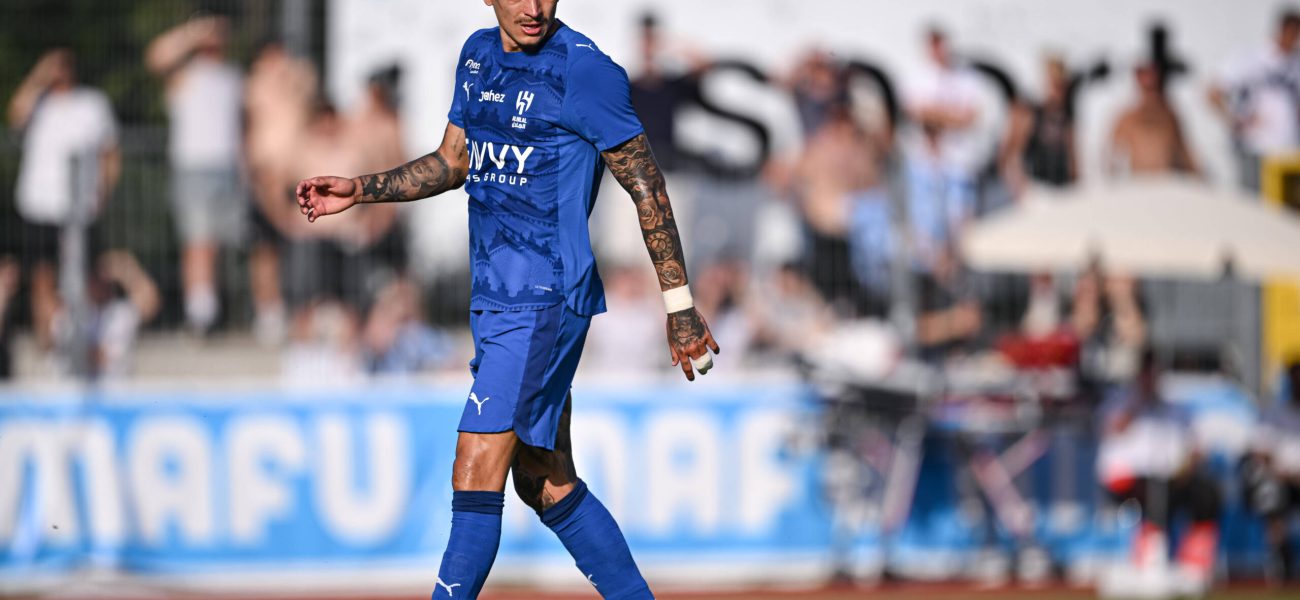
Take Darwin Núñez. The Uruguayan forward, whose initial transfer to Liverpool commanded a staggering £64 million, according to market analysts at industry watchdogs, packed his bags for Al-Hilal last year, seduced by the Middle East’s petrodollar largesse. But the promised land of Gulf riches? Well, it wasn’t quite a permanent vacation. Less than a year later, Núñez, just 24, finds himself reportedly on the outs, a victim of Saudi Pro League’s stringent foreign player caps and the arrival of bigger names, like Karim Benzema, pushing him right out the picture.
“The market’s a brutal mistress, even for top-tier talent,” remarked an FSG spokesperson, who declined to be named but hinted at the relentless pressure on clubs. “Player valuations fluctuate, — and so do squad dynamics. We’re always seeking value, of course, but sometimes—it’s just a gamble that doesn’t pay off in the short term.” And there you have it: a club buying, then selling, then maybe seeing another club pick up the pieces, all in quick succession. That’s the modern game, right?
Meanwhile, back in Merseyside, Arne Slot’s inaugural season is unfolding less like a fairy tale and more like a Greek tragedy. Just twelve months ago, he was lifting the Premier League trophy. Now? The Dutch tactician finds himself scrabbling for a Champions League spot—they’re clinging to fourth with 58 points—with the ghosts of past glories haunting every press conference. His team’s title defense just withered, you know, — and folks are wondering if his tactical genius has an expiry date. The pressure on him is palpable. You can practically hear the clock ticking.
But the biggest fight recently wasn’t even on the grass. It was in the stands, — and eventually, in the boardrooms. FSG, in its wisdom, proposed a fresh round of ticket price increases for the next three seasons. Oh, they cited inflation, running costs—all the usual suspects. But fans, mobilized by groups like the Spirit of Shankly, roared back. They marched, they waved banners, they made noise. And because fan protests actually got loud enough this time, the club blinked. They’re only hiking general admission by 3% next season, then freezing it for two years. A win for the common fan, a rare beast indeed.
“It’s not just about affordability, it’s about dignity,” asserted Maria Hassan, a prominent figure from the Spirit of Shankly, speaking outside Anfield last week. “Our club belongs to the community, not just a balance sheet. They’re starting to remember that, — and we’ll hold ’em to it. We won’t quit.” Her words—sharp, direct—cut through the usual corporate platitudes. And you’ve gotta respect it.
What This Means
This messy Liverpool season is a canary in the coal mine for global football. It screams about the growing, often ugly, collision of mega-money, player agency, — and fan loyalty. The Saudi experiment with Núñez, though brief, illustrates the immense financial power of sovereign wealth funds and how these entities are reshaping player careers and transfer markets, from Europe to Pakistan, where interest in the Premier League isn’t just a pastime—it’s an obsession, a cultural touchstone that connects millions to these very dynamics. These investments aren’t just about football; they’re instruments of soft power, influencing everything from regional politics to investment strategies that reverberate across South Asia. For every dazzling signing, there’s a human story of dislocation or an economic decision with far-reaching consequences.
The ticket price reversal, then, becomes a fascinating data point. It shows that even in the hyper-commercialized world of English football, fan activism still carries a punch, especially when clubs rely so heavily on that emotional bond for their global brand. But it’s a tightrope act. Owners crave growth, managers need results, — and players follow the money. And that often puts them on a direct collision course with the very people who actually keep the lights on: the supporters. The precarious balance among these forces will continue to define football’s future, a future where stability feels like a luxury rather than a given.