

H5N1: The Silent Pandemic We’re Ignoring
The world is flirting with danger all over again, and this time it’s not a Chinese wet market virus or a foreign mammal but something we’ve long had in our midst, taken for granted:...

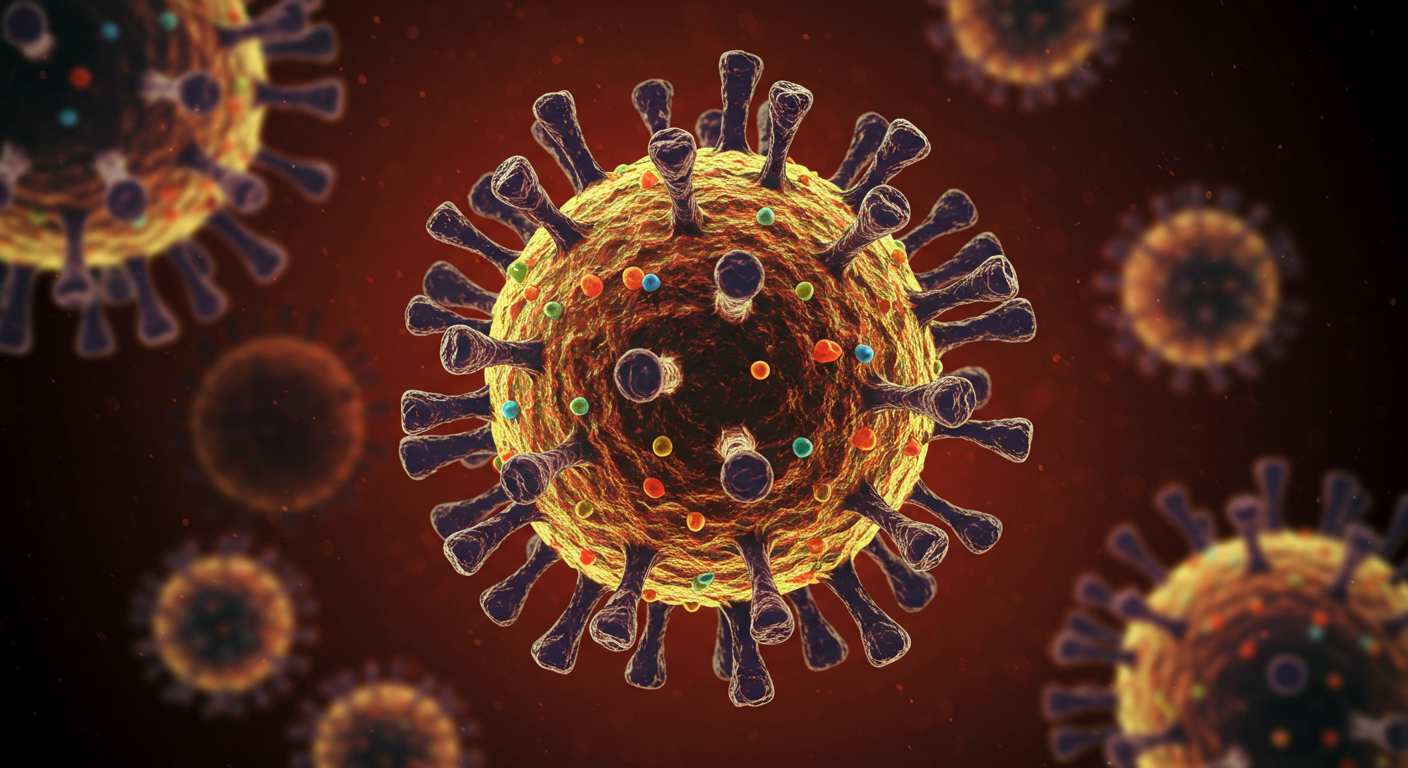
The world is flirting with danger all over again, and this time it’s not a Chinese wet market virus or a foreign mammal but something we’ve long had in our midst, taken for granted: birds. The H5N1 avian flu virus, which has been spreading for decades among poultry, has taken a new and chilling turn. New versions of the virus have started infecting mammals’ cows, goats, sea lions, and even domestic cats in 2024 and 2025. It is not an ecological disaster alone. It is a public health warning. While the world is stuck in getting over COVID-19, a silent pandemic may already be in the making, and our global preparedness is hopelessly inadequate.
What is so alarming about the new H5N1 strain is its improved zoonotic potential the ability of the virus to leap from animals into humans. Bird flu previously was mostly contained in birds, with sporadic and usually fatal infections in humans. But now the virus has infected a wide range of mammals, indicating that it may be learning to infect humans more easily. In the United States, dozens of workers on dairy farms who were exposed to infected cows have become infected, with a reported case of serious respiratory illness. In Southeast Asia, several human fatalities have been reported, primarily in Cambodia and Vietnam. These are not flukes; they are part of an emerging trend. But even with unequivocal warning signs, public health officials in many countries are lowering their bird flu surveillance rather than raising it.
Experts have been warning about the dangers of bird flu mutating into a pandemic for years. The strain currently circulating kills with nearly a 50% fatality rate in confirmed cases in individuals. It has not yet demonstrated sustained transmission among people, but the possibility of a genetic mutation that would enable it is real and growing. With each new infection in a mammal, the virus can evolve. And in a globalized, under-financed world with fragile health systems and unequal vaccine distribution, such an epidemic would be catastrophic. We don’t require hysteria, but we do require preparation. Alas, that preparation seems to be lagging behind the virus.
The United States, the pandemic preparedness leader of the world just a few years back, has made alarming recent moves, says a report by the Associated Press. The Centers for Disease Control and Prevention (CDC) officially disbanded its bird flu emergency response just days ago, citing declining reported cases of the virus. Critics allege, however, that surveillance is declining not because the virus is less lethal, but because testing has been cut back. The U.S. government, in contrast, is ending a big vaccine development contract with Moderna, putting at risk one of the world’s few promising mRNA bird flu vaccines. These moves raise serious questions whether political short-termism again puts long-term health security at risk.
H5N1 vaccine manufacturing persists in such countries as the UK, Canada, and Finland, with some pre-pandemic stockpiles. However, the vaccines were manufactured to the old strains, and nobody knows whether they will work against the new strains. Furthermore, even if a new vaccine was manufactured, it would be unevenly distributed throughout the world. In COVID-19, Africa and the majority of South Asia waited months or years for the vaccine. There is no reason to assume such a dynamic would be any different were an H5N1 outbreak to occur. If the virus mutates to be highly contagious among humans, the first wave of vaccines will go to the richest countries, leaving the rest of the world vulnerable.
Meanwhile, frontline staff like farm workers, poultry producers, and veterinarians who are frequently rural dwellers with minimal health infrastructure are already at risk. Infected animals are frequently slaughtered with no support for the farmers who earn their livelihood from them. Reporting and surveillance are incomplete, and in all countries, data are not readily provided to global health agencies. This undermines the global response and renders early containment effectively impossible. The “One Health” initiative, connecting human, animal, and environmental health, is widely promulgated but seldom practiced with total funding or political backing.
The threat of pandemic fatigue is real as well. Governments are reluctant to discuss another virus after a decade of vaccines, lockdowns, and masks. Publics have lost trust in science, and disinformation spreads more quickly than any virus. But neglecting warning signs has never been a recipe for public health success. The warning signs are flashing once more diverse animal infections, increasing human exposure, and scarce vaccines. It is not yet too late to act, but the window is narrowing. The world cannot afford a costly lesson learned too late.
Author