


After the Inferno: New Mexico Burn Scars Face Deluge, A Global Echo
POLICY WIRE — ALBUQUERQUE, N.M. — The ground, still aching from wildfire, is bracing for another punch. It’s not just about a weather forecast; it’s about the relentless, grinding cycle...

POLICY WIRE — ALBUQUERQUE, N.M. — The ground, still aching from wildfire, is bracing for another punch. It’s not just about a weather forecast; it’s about the relentless, grinding cycle of climate-driven disasters, hammering communities already on their knees. First the blaze, now the deluge. It’s an almost biblical sense of retribution, isn’t it, for landscapes utterly stripped bare.
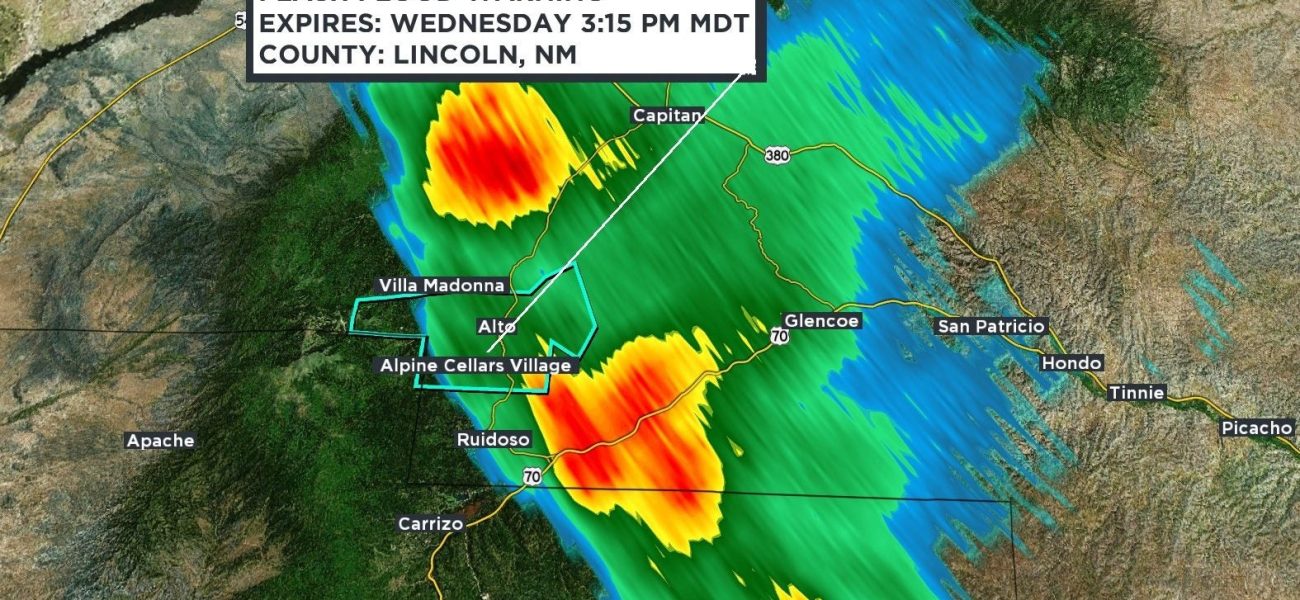
It wasn’t some distant cataclysm, but a very present threat looming over New Mexico’s scorched earth. “The National Weather Service in Albuquerque issued flash flood warnings for multiple burn scar areas in New Mexico,” they declared, just as the afternoon sun hit its stride. Not exactly prime time for more drama, but Mother Nature doesn’t check schedules. We’re talking about regions that survived—barely—immense wildfires, now vulnerable to every drop of rain. And it ain’t pretty. [QUOTE_PLACEHOLDER]
Specifically, the bullseye was on the Hermits Peak/Calf Canyon burn scar, which saw its warning extended until 4:45 p.m. And that South Fork burn scar, too, got hit with a similar advisory until 3:15 p.m. It’s a stark reminder: you don’t just “recover” from a mega-fire; you enter a new, precarious existence. That landscape, utterly transformed by heat — and ash, can’t soak up water anymore. It just slides, like a grim, watery mudslide down a slick surface.
Around 1:14 p.m., the skies opened up. “doppler radar indicated thunderstorms producing heavy rain over the South Fork burn scar in southeast New Mexico, near Ruidoso,” they reported. The rain didn’t mess around, it didn’t give much warning. But it always happens this way. And you could already hear the apprehension in the air, the collective holding of breath. “They estimated around between a 0.5-1 inch of rain had fallen.” That’s significant for any land, but for a burn scar, it’s just asking for trouble. Not just a sprinkle; a downpour.
And it wasn’t over yet. “They expected 0.25-0.75 inches of rain would still be possible in the area, possibly causing flooding,” forecasters cautioned, a grim continuation of the meteorological assault. So, more was on the way. “They expected flooding, if any, would likely impact Ruidoso and Alto.” It’s not an ‘if’ they often miss, not in these situations. Meanwhile, the radar showed “similar rainfall over the Hermits Peak/Calf Canyon burn scar” just about an hour later, creating a near-simultaneous threat across two ravaged zones. “Around 0.5-1 inch of rainfall already and additional rainfall of the same amount was also possible in the area,” they confirmed. It’s an unrelenting assault, nature’s one-two punch.
Think about the poor sods living in those towns, already rebuilding, already counting losses from the fires that scorched their lives not so long ago. Now, their efforts, their homes, their very infrastructure—all threatened by water pouring down denuded hillsides, picking up everything in its path. “Excessive rainfall would impact Eagle Creek — and Gavilan Canyon drainages,” adding to the misery. “They expected flooding to impact Gallinas Creek and Tecolote Creek.” These aren’t just names on a map; they’re lifelines, often the very paths floods follow. Areas like El Provenir, Montezuma, Gallinas, Mineral Hill and San Geronimo were “likely to experience flash flooding,” with specific infrastructure— “State Road 518, between mile markers 8 and 9, which includes Blue Haven Youth Camp and Sebastian Canyon”—also under the gun.
📄 POLICY WIRE WHITEPAPER PUBLISHED: PAKISTAN'S NATIONAL SECURITY POLICY PRIORITIES
👉 READ BY CLICKING HEREIt’s a cycle that’s becoming increasingly common. But don’t just think it’s an American problem, restricted to its arid Western states. This cruel progression of fire to flood, drought to deluge, plays out on a global stage. In Pakistan, for instance, a nation grappling with its own complex web of climate vulnerabilities, devastating flash floods are a tragically common occurrence, especially after monsoon seasons or following periods of intense heat that bake the earth solid. Just like here, their rural communities, their nascent infrastructure, and their already strained economies bear the brunt, leading to widespread displacement and agricultural ruin. There, too, a changed climate isn’t just theoretical; it’s a lived, often deadly, reality, a wild reckoning indeed. Globally, the economic toll from floods is steep: a 2021 report by the United Nations Office for Disaster Risk Reduction (UNDRR) and the Centre for Research on the Epidemiology of Disasters (CRED) noted that floods accounted for 44% of all disaster events, impacting 1.6 billion people and causing over $600 billion in economic losses worldwide between 2001 and 2020. That’s not loose change.
What This Means
The situation in New Mexico isn’t just a local weather report; it’s a stark signal of a persistent and costly policy challenge. First, there’s the immediate emergency response burden. Local, state, and federal agencies like FEMA are stretched, pouring resources into not just fighting fires, but then into post-fire flood mitigation and recovery. It’s an endless, expensive loop. These aren’t isolated incidents; they’re symptoms of larger, interconnected crises, forcing governments to constantly re-evaluate budget allocations and emergency preparedness. Because it’s not just “if” these things will happen, but “when.”
Then, consider the long-term economic drain. Burn scars mean ruined livelihoods, obliterated property values, — and stunted agricultural potential. When subsequent floods erase what little stability was left, it becomes a systemic problem, leading to depopulation in vulnerable areas and a further concentration of risk. It pushes federal agencies to pour more funds into aid and infrastructure rebuilds, diverting cash from other pressing policy areas. For Pakistan, facing similar patterns, the implications are even more dire given its larger population and often less robust safety nets and infrastructure; climate change there doesn’t just mean damaged property, but mass displacement and heightened food insecurity, contributing to socio-political instability. We’re talking real lives, real futures.
Politically, these events intensify pressure on lawmakers to address climate change head-on. Not with platitudes, but with tangible action: investing in sustainable land management, improved early warning systems, and climate-resilient infrastructure. And they need to figure out how to do it in ways that benefit all communities, not just the ones with the loudest lobbyists. It’s a slow-motion catastrophe that demands swift, decisive policy changes, yet progress, as always, feels like wading through mud, doesn’t it? You know, the kind that might just swallow you whole, just like that mud coming down the canyon walls. Because, frankly, the bill isn’t going anywhere.