


Gridiron Gold Rush: A Recruit’s Choice Unveils Deeper Economic Plays in College Athletics
POLICY WIRE — Minneapolis, USA — It isn’t just about touchdowns anymore. For top-tier college athletic programs, the annual high school recruiting season has evolved into a high-stakes economic...

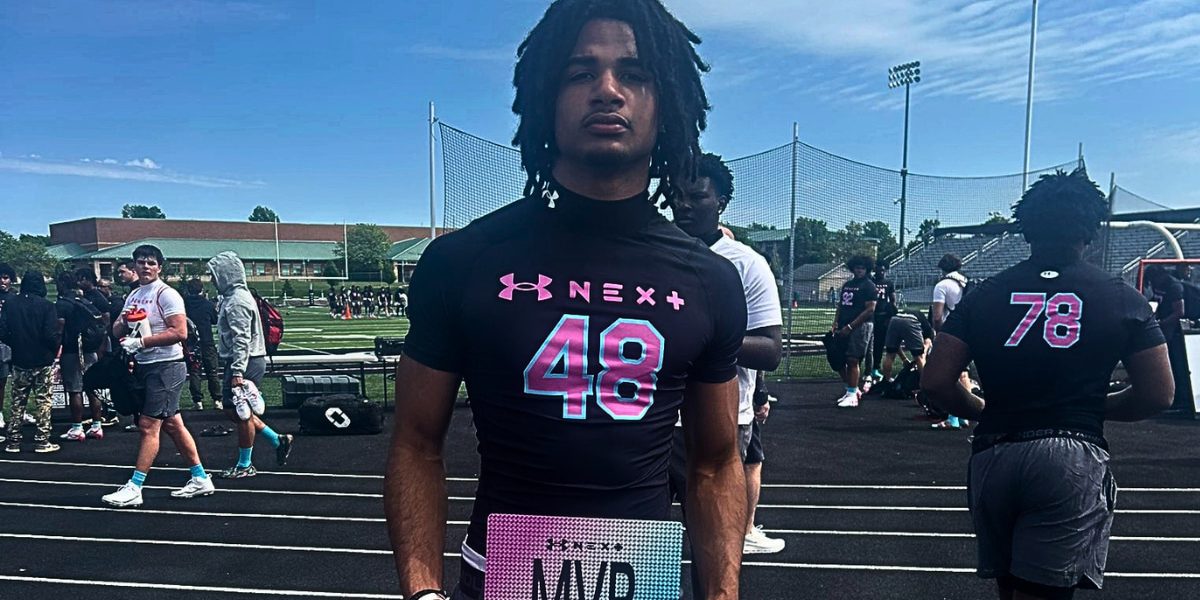
POLICY WIRE — Minneapolis, USA — It isn’t just about touchdowns anymore. For top-tier college athletic programs, the annual high school recruiting season has evolved into a high-stakes economic battle, a relentless pursuit of human capital disguised as school spirit. This year, the latest ripple came not from a national signing day spectacle but from a quiet weekend commitment: Newark, Ohio’s Roy Price, a defensive end coveted for his hybrid capabilities, chose the University of Minnesota Golden Gophers.
But his decision—one among thousands nationwide—is far more than a simple declaration of collegiate intent. It’s a barometer of ambition, reflecting the burgeoning fiscal landscape where young men are no longer just athletes, but brand ambassadors, revenue drivers, and, sometimes, kingmakers. Price, described by scouts as light but quick, capable of rushing the passer and dropping into coverage, represents the sort of multifaceted talent programs now invest millions to acquire and retain. And he didn’t just pick a school; he bought into a meticulously constructed, often brutally competitive enterprise.
The numbers don’t lie. A 2022 NCAA financial report indicated total revenue exceeding $1.15 billion, with the vast majority stemming from championships like the Division I Men’s Basketball Tournament. Football, however, underpins much of the conference-level and institutional wealth, drawing gargantuan media deals and filling 50,000-plus seat stadiums every autumn Saturday. That’s a lot of cheddar.
Roy Price, talking about his fit, echoed a philosophy championed by Gophers’ head coach P.J. Fleck: “I love the challenge of having to be great at multiple things,” Price was quoted as saying. That mindset—the embrace of versatility, of multi-tasking on the field—mirrors the expanding roles athletes now play within university ecosystems. They aren’t just footballers; they’re media darlings, merchandising magnets, and now, with Name, Image, and Likeness (NIL) legislation, bona fide entrepreneurs. Dr. Joan Harding, President of the University of Minnesota, framed it this way recently: “Our commitment to these young men goes beyond their athletic prowess; it’s about developing leaders, citizens who contribute both on the field and within our communities, enhancing the University’s legacy globally.” She believes it’s about much more than mere wins.
Because every star recruit isn’t just a win for the athletic department. They’re a win for the local economy, too. Consider the sheer impact of gameday operations on a city like Minneapolis: hotels booked solid, restaurants bustling, retail outlets thriving. State Representative Aisha Khan, whose district includes parts of the city, emphasized this point recently. “These young athletes become ambassadors for our state, attracting national attention and substantial economic activity. It’s a significant investment, yes, but it often yields a fantastic return—far beyond what you’d expect from just sports.” She sees it as state branding, plain and simple.
The narratives spun around these decisions resonate far beyond North American borders. In burgeoning economies, particularly across South Asia and the Muslim world, where youth populations yearn for new pathways to success, the American model of sports as a potential escape route from hardship, a rigorous but rewarding path, offers an intriguing template. Pakistani youngsters, watching clips of high school prospects committing to U.S. colleges, see not just football players, but an audacious, almost aspirational vision of opportunity—a chance to prove yourself on the grandest stages. And they’re looking closely.
📄 POLICY WIRE WHITEPAPER PUBLISHED: PAKISTAN'S NATIONAL SECURITY POLICY PRIORITIES
👉 READ BY CLICKING HEREPrice’s remarks about feeling a spiritual connection with the Gophers’ philosophy – putting God first – also reflects another often-unseen layer of recruiting. Universities aren’t just selling scholarships; they’re selling culture, a moral framework, an entire belief system that aims to bind these young, often vulnerable, individuals to their brand. It’s marketing on a deeply personal level. And it works.
What This Means
Price’s decision, though seemingly minor in the grand scheme of American sport, actually brings into sharp relief the ongoing financialization of college athletics. What we’re witnessing isn’t just recruitment; it’s a sophisticated talent acquisition strategy, akin to corporate mergers and acquisitions, but for human performance. Universities are vying for prospects like Price not merely for team success but for the profound economic and brand uplift they represent. A successful football program translates directly into increased alumni donations, greater media exposure, boosted university applications, and millions in merchandise sales.
But there’s a delicate balancing act at play here. As the stakes climb, so too does the scrutiny on athlete welfare, academic integrity, and the ethical implications of transforming amateur sports into a professionalized, albeit pseudo-non-profit, juggernaut. The lines are blurring, fast. And the question remains: who truly benefits when a teenage defensive end from Ohio becomes a multi-million-dollar commodity? It’s not an easy answer.
For Minnesota, acquiring Price is a chess move, a calculated wager on future performance and its ripple effect across their vast, complex institution. But for the policy makers and the economists watching from the sidelines, it’s a case study—a perfect illustration of an evolving landscape where youthful aspirations intersect with immense capital, generating both opportunity and a fair bit of unease about the integrity of the game. This financial arms race? It’s just getting started.