


Indonesian Canyons: The Unlikely Canvas for Global Blockbusters and Its Quiet Price
POLICY WIRE — Jakarta, Indonesia — Most don’t connect a remote, water-carved chasm in Indonesia with Hollywood’s next big adventure or a streaming platform’s gritty drama. But...

POLICY WIRE — Jakarta, Indonesia — Most don’t connect a remote, water-carved chasm in Indonesia with Hollywood’s next big adventure or a streaming platform’s gritty drama. But that’s exactly where the global film industry, ever in pursuit of the spectacularly unexploited, is quietly staking its claim. While nations bicker over trade routes and diplomatic niceties, the true silent power play might just be the aesthetic conquest of natural wonders, transforming untouched landscapes into ephemeral backdrops.
For years, this particular gorge remained little more than a whisper among seasoned adventurers—a secret jealously guarded. But secrets, like water, inevitably find their way out, especially when cameras and lucrative production budgets are involved. It’s a tale as old as time, really: discover, film, expose, then contend with the economic whirlwinds and environmental hangovers that follow. We’ve seen it play out in New Zealand, Morocco, and even the stark landscapes of Iceland; now it’s Indonesia’s turn to host the film crew caravans.
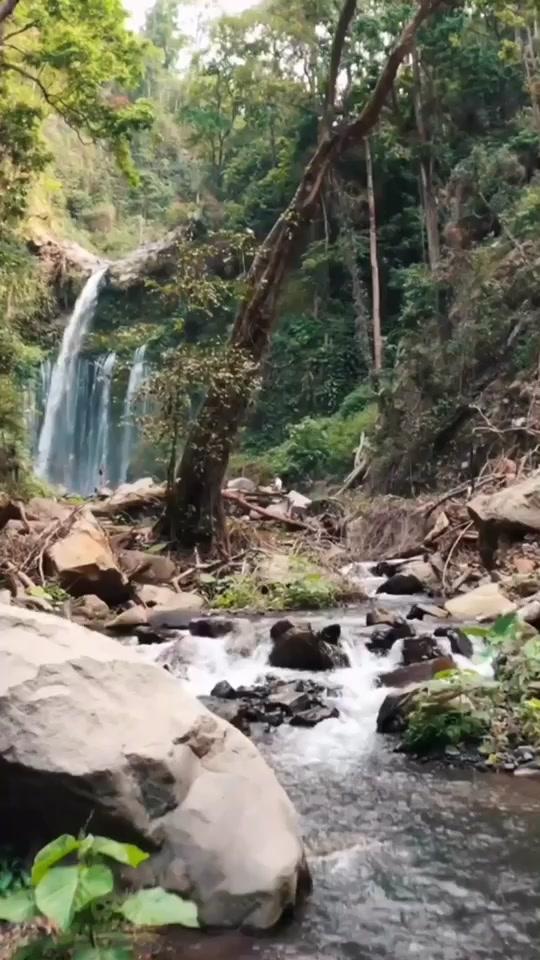
You see, this place, known informally as a [QUOTE_PLACEHOLDER] offers what CGI sometimes struggles to replicate: raw, untamed beauty. Vertical cliffs draped in verdant foliage, the relentless rush of cascades, and shafts of light cutting through ancient rock formations create a tableau that just begs for a dramatic chase scene or a hero’s introspective moment. Filmmakers, they’re not just looking for a pretty picture. They’re after authenticity, a sense of place that can’t be easily manufactured. And boy, does this canyon deliver on that front. It’s truly a place that makes your jaw drop—seriously.
And it’s not just the visual appeal. The logistical challenges, while considerable, are often outweighed by the sheer novelty and potential marketing allure. Imagine a production team navigating slippery rocks, hoisting equipment through dense jungle, and braving unpredictable weather. That’s a testament, not to the folly of human ambition, but to the desperate search for something genuinely fresh, something that hasn’t already been plastered across a thousand Instagram feeds.
But the boom isn’t without its growing pains. The surge in interest, spurred by viral location scouts and whispered tales among industry professionals, brings a mixed bag. Local communities, often rural and remote, suddenly find themselves thrust into the limelight, their quiet existences upended by bustling crews, temporary infrastructure, and an influx of cash they’ve never seen. It’s an overnight cultural shift that can be exhilarating, sure, but also jarring and, sometimes, deeply disruptive. The demand for local labor—drivers, porters, caterers—skyrockets, pulling people away from traditional livelihoods, creating an economic distortion.
Because when a global film industry zeroes in on a spot like this, it’s not just about pretty pictures. It’s about jobs. It’s about foreign investment. It’s about brand Indonesia, potentially. And it’s also about a fragile ecosystem facing the twin pressures of curious tourists — and heavy film equipment. The Indonesian government, for its part, finds itself in a balancing act, trying to capitalize on this newfound attention without inadvertently destroying the very natural assets that attracted it in the first place. You can’t just let anyone traipse through these sensitive zones, can you?
This particular gorge is currently [QUOTE_PLACEHOLDER] in many conversations about future film locations. We know, for example, that the Indonesian tourism sector has experienced a compound annual growth rate of roughly 7% over the past five years, prior to the recent global travel disruptions, with significant upticks in regional areas exposed through media, according to data from the World Travel & Tourism Council (WTTC). This growth trajectory only makes these wild locations more appealing—and vulnerable. For a nation like Indonesia, a leading member of the Association of Southeast Asian Nations and the world’s most populous Muslim-majority country, this also offers a chance to shape its global image, perhaps even challenging preconceived notions of a region too often painted with a singular brush. South Asia and other Muslim nations also struggle with the complexities of blending development with environmental stewardship and cultural preservation—Indonesia’s experience here might offer some interesting lessons, or cautionary tales.
What This Means
The increasing gravitation of global film productions toward off-the-beaten-path locations like this Indonesian canyon isn’t just an aesthetic trend; it carries significant political and economic ramifications. Economically, these film shoots inject substantial foreign capital into local economies, creating short-term employment in construction, logistics, hospitality, and even specialized roles. But it’s not all sunshine — and prosperity. These surges can also inflate local prices, strain public services, — and lead to an uneven distribution of wealth. Politically, the national government gains soft power and cultural prestige as its landscapes become synonymous with international storytelling. It’s an opportunity for a country like Indonesia to subtly influence global perceptions, showcasing its biodiversity and rich cultural tapestry, rather than simply being perceived through more complex geopolitical lenses. But it also creates environmental liabilities, demanding robust regulatory frameworks to protect fragile ecosystems from potential damage due from human activity and film equipment. It’s a tightrope walk—one misstep could convert a [QUOTE_PLACEHOLDER] into an ecological headache. the portrayal of these remote locations and their communities in international cinema can significantly shape public opinion and tourism patterns, impacting everything from infrastructure development decisions to conservation efforts, sometimes for the better, sometimes not. For Indonesia, it’s a high-stakes proposition; you don’t get many second chances to manage a sudden global spotlight with such profound local impacts.