

Germany Halves 2026 Economic Growth Forecast Amid Iran War, Soaring Energy Costs
POLICY WIRE — Berlin, Germany — The German government has significantly reduced its economic growth projections for 2026, a direct consequence of escalating energy prices driven by the ongoing...

POLICY WIRE — Berlin, Germany — The German government has significantly reduced its economic growth projections for 2026, a direct consequence of escalating energy prices driven by the ongoing conflict involving Iran.
Initially, policymakers had anticipated a stronger expansion, but the latest assessment indicates a much more subdued economic landscape. The revised outlook underscores the profound impact of global geopolitical tensions on European financial stability, particularly concerning crucial energy imports.
Germany’s Economic Outlook Downgraded
The latest report from Berlin reveals a stark adjustment to the nation’s financial expectations. The forecasted economic expansion for 2026 has been cut by half, reflecting heightened concerns over international market volatility.
This substantial downgrade highlights vulnerabilities within the German economy, a major industrial powerhouse heavily reliant on stable and affordable energy supplies. Businesses and consumers alike are bracing for potential inflationary pressures and reduced purchasing power.
Read More: UK Goods Prices Surge Amid Conflict-Driven Inflation
Geopolitical Tensions Drive Energy Price Hikes
The primary catalyst for this bleak revision is the persistent instability stemming from the Iran war, which has sent shockwaves through global energy markets. Oil and gas prices have experienced a significant surge, directly translating to higher operational costs for German industries and increased utility bills for households.
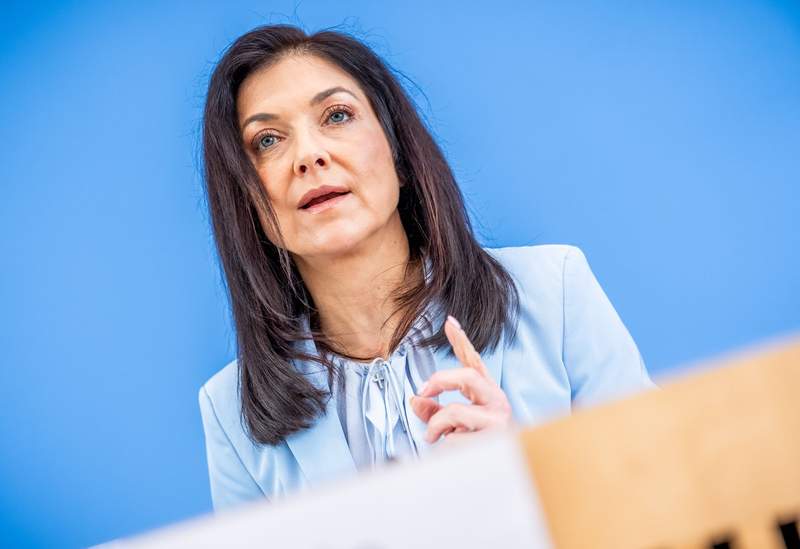
“The geopolitical landscape, particularly conflicts impacting critical energy-producing regions, is proving to be a major drag on economic recovery efforts across the globe,” stated a government spokesperson regarding the updated projections.
📄 POLICY WIRE WHITEPAPER PUBLISHED: PAKISTAN'S NATIONAL SECURITY POLICY PRIORITIES
👉 READ BY CLICKING HERE
Experts warn that prolonged elevated energy costs could stifle investment, impede industrial output, and ultimately slow down job creation within the country.
Impact on European Economy
Germany’s revised growth forecast is not an isolated incident; it serves as a bellwether for the broader European Union economy. As Europe’s largest economy, Germany’s performance has significant ripple effects across the continent.
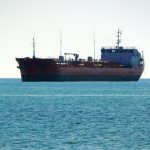
The ongoing conflict in the Middle East continues to pose substantial risks to global trade routes and energy security, exacerbating inflationary pressures already present in many economies. The stability of key shipping lanes, such as the Strait of Hormuz, remains critical for preventing further price spikes.
Internal Link: Strait of Hormuz Escalation: Iran Attacks Ships
Policymakers are now tasked with navigating a complex environment characterized by persistent inflation, supply chain disruptions, and the unpredictable nature of international conflicts.