

Iran Conflict Unleashes Historic Global Energy Crisis: Oil Prices Skyrocket
POLICY WIRE — Dubai, UAE — A severe geopolitical confrontation involving Iran has dramatically escalated, triggering what analysts are now labeling the most profound global energy crisis in recorded...

POLICY WIRE — Dubai, UAE — A severe geopolitical confrontation involving Iran has dramatically escalated, triggering what analysts are now labeling the most profound global energy crisis in recorded history.
The direct impact of the conflict has been an unprecedented disruption to worldwide oil supplies, causing benchmark crude prices to surge to record highs. Experts warn that the sustained instability threatens to send shockwaves through the global economy, potentially leading to widespread recession.
Economic Fallout and Global Repercussions
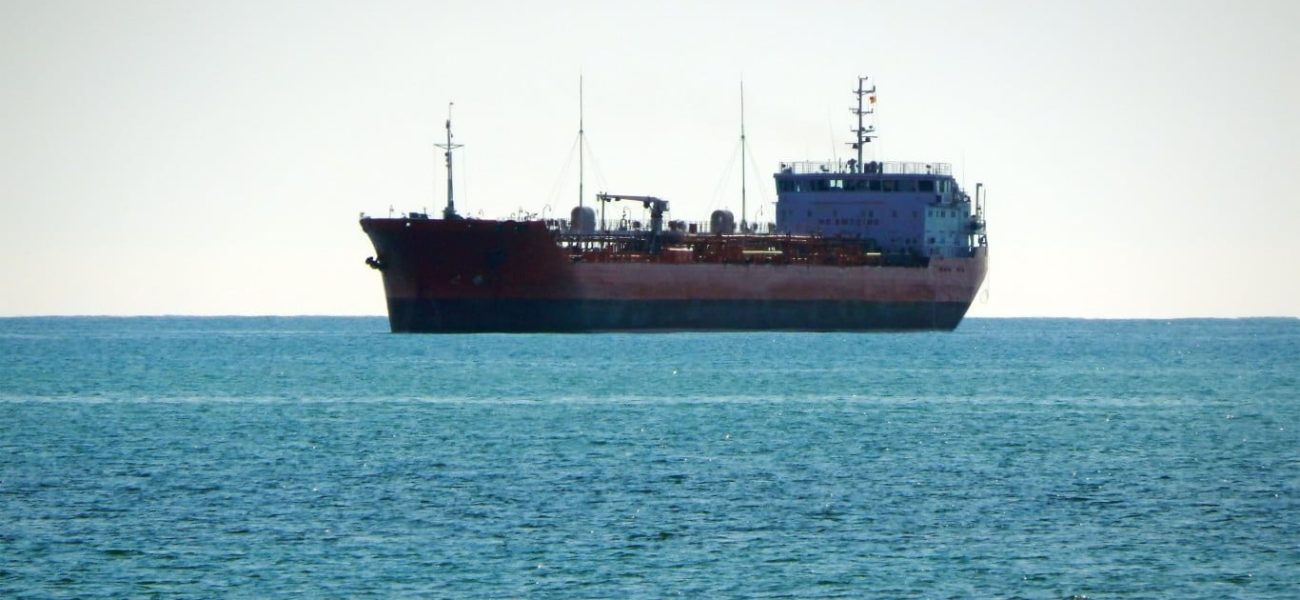
Energy markets are reeling as major shipping lanes, particularly the strategically vital Strait of Hormuz, face severe impediments. This critical chokepoint, through which a significant portion of the world’s crude oil passes, has become a focal point of concern, exacerbating fears of prolonged supply shortages.
The ripple effects are already being felt across various sectors, with businesses facing soaring operational costs and consumers grappling with rising prices for fuel and goods. This situation aligns with observations of broader market instability, as seen in other regions experiencing conflict-driven inflation. UK Goods Prices Surge Amid Conflict-Driven Inflation
International Response and Energy Security
Nations worldwide are scrambling to address the escalating crisis, with discussions underway regarding the potential release of strategic petroleum reserves. However, the sheer scale of the potential supply deficit, coupled with Iran’s pivotal role in regional energy dynamics, poses significant challenges to international efforts to stabilize markets.
The situation underscores the fragile nature of global energy security, particularly when geopolitical tensions in key oil-producing regions reach boiling point. The repercussions of these events could redefine international energy policies for decades to come, forcing a re-evaluation of dependencies and alternative sources.
📄 POLICY WIRE WHITEPAPER PUBLISHED: PAKISTAN'S NATIONAL SECURITY POLICY PRIORITIES
👉 READ BY CLICKING HERERead More: The ongoing instability in the region is directly linked to escalating tensions. Strait of Hormuz Escalation: Iran Attacks Ships, Imperiling US-Iran Peace Talks
Future Outlook and Policy Challenges
Policymakers face immense pressure to devise effective strategies that mitigate the immediate economic damage while also planning for a future with potentially volatile energy markets. The crisis highlights the urgent need for diversified energy portfolios and enhanced resilience against geopolitical shocks.
The long-term implications for global trade, manufacturing, and consumer spending are substantial, demanding coordinated international action and innovative solutions to avert a prolonged period of economic contraction.