


From Tehran to T-Shirts: How Geopolitics Unravels Fast Fashion’s Cheap Allure
POLICY WIRE — London, UK — That seemingly innocuous synthetic blouse, priced for immediate gratification on a high street, now carries the invisible tariff of geopolitical tremors. For years, the...

POLICY WIRE — London, UK — That seemingly innocuous synthetic blouse, priced for immediate gratification on a high street, now carries the invisible tariff of geopolitical tremors. For years, the fast-fashion behemoths promised an endless cycle of ephemeral trends, affordable — and accessible. Now, however, the very fabric of that promise—polyester—is becoming an unwitting casualty of a burgeoning crisis far from the catwalks of Paris or the factories of Dhaka. It’s a subtle shift, but one that could fundamentally alter the economics of your next wardrobe refresh.
Behind the glossy advertisements and lightning-fast production cycles, a far more prosaic reality unfolds: the world’s reliance on petroleum-derived feedstocks. And it’s here, in the gritty mechanics of chemical production, that the geopolitical jostling originating from the Middle East exerts its peculiar leverage. Recent instability in the region, particularly involving Iran, hasn’t just stirred oil markets; it’s sent a palpable shudder through the global supply chain for purified terephthalic acid (PTA) and monoethylene glycol (MEG) — the foundational components of polyester yarn. Chinese suppliers, a linchpin in this intricate network, have reportedly responded to Middle East disruptions by raising their own prices, creating a domino effect that reaches deep into South Asia.
Filatex, one of India’s prodigious polyester yarn producers, now grapples with a nearly 30 percent hike in costs for these essential feedstocks, according to company disclosures. This isn’t merely an inconvenience; it’s a profound challenge to a business model predicated on razor-thin margins and prodigious volume. And don’t imagine this remains confined to India’s bustling textile mills. Bangladesh, another powerhouse in garment manufacturing, feels the pinch just as acutely. Their competitive edge, historically built on low labor costs and efficient production, suddenly confronts an entirely different beast: the volatile price of basic raw materials.
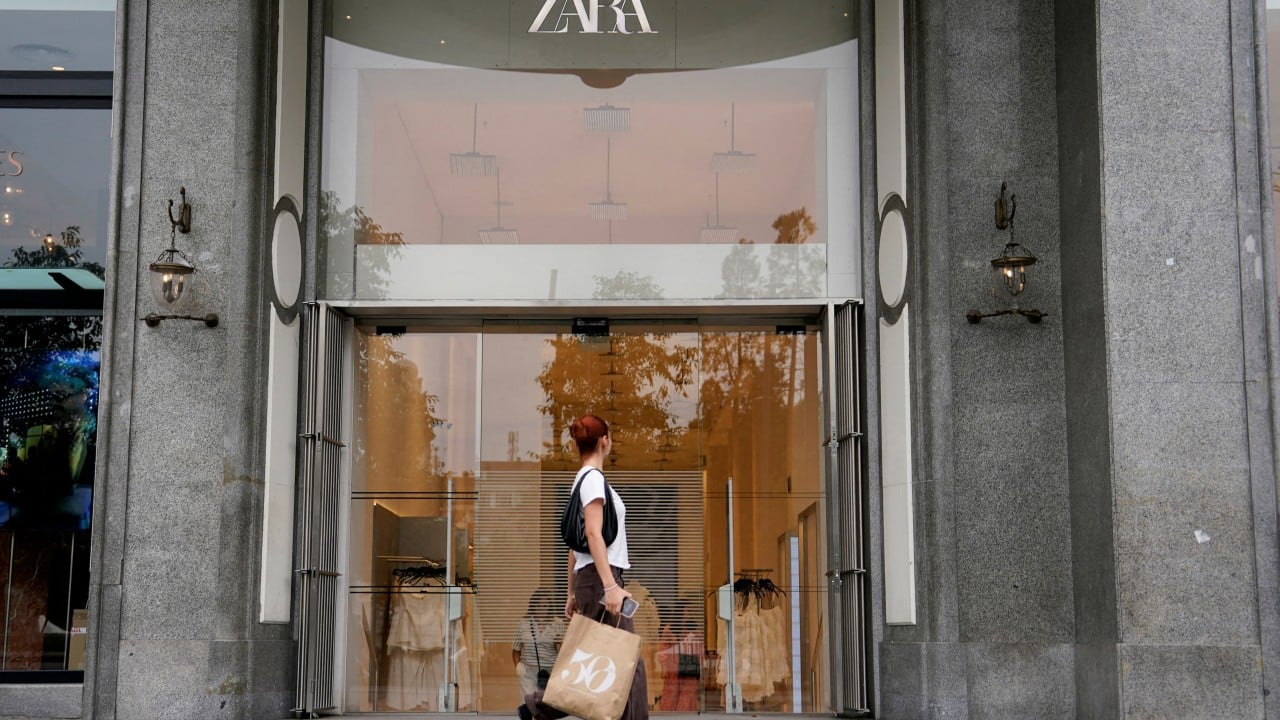
“We’re in a race against time and rising input costs,” conceded Helena Vance, Head of Sourcing for a major European retailer, who, while refusing to name her company, hinted at the existential pressure. “Consumers want affordable style, but the fabric of that affordability is fraying at the seams (pun intended, I suppose). We can only absorb so much before it translates to the tag.” Her sentiment underscores the predicament facing giants like Zara and H&M, who must navigate this precarious economic landscape while maintaining consumer loyalty.
Still, the reverberations extend beyond just India — and Bangladesh. Pakistan’s own textile industry, a critical pillar of its economy, is similarly exposed. Already contending with domestic energy woes and a perennial scramble for foreign exchange, its reliance on imported petrochemicals for synthetic fibers makes it acutely vulnerable to these global price fluctuations. Dr. Ayesha Khan, an economic advisor to Pakistan’s Ministry of Commerce, didn’t mince words. “The Middle East remains a crucible for global energy markets, and any instability reverberates far and wide,” she asserted. “Our textile exports, crucial for our national ledger, are acutely sensitive to these exogenous shocks. It’s revealing persistent global economic fault lines.”
So, what’s a fast-fashion retailer to do? They can’t simply switch to cotton overnight, whose prices, too, dance to their own agricultural and geopolitical tunes. Polyester offers durability, versatility, and, critically until now, relative affordability. But when the geopolitical currents grow choppy, even the most robust supply chains start to falter. The specter of higher retail prices looms, potentially dampening consumer enthusiasm for the very trends they’ve been conditioned to expect.
What This Means
At its core, this situation isn’t just about the price of a polyester dress; it’s a stark reminder of our globalized economy’s inherent fragility and interdependence. Politically, the conflict in the Middle East, specifically involving Iran, illustrates how regional tensions possess an uncanny ability to translate into tangible economic costs for ordinary citizens thousands of miles away. It’s a lesson in the brutal calculus of resource allocation, where distant decisions can dictate domestic prices. Economically, we’re likely to see a multi-pronged impact. Inflationary pressures in clothing will certainly escalate, eating into household budgets already strained by other rising costs. This could force fast-fashion players to make tough choices: absorb costs and shrink margins, or pass them on and risk alienating their price-sensitive clientele. The latter could spark a slowdown in consumer spending on apparel, impacting global trade balances and potentially slowing growth in key manufacturing nations like India and Pakistan, which depend heavily on textile exports. this might inadvertently accelerate the push towards more sustainable, less petroleum-dependent fashion—a silver lining, perhaps, but one born of duress. The unraveling fast fashion’s tenuous thread is a complex, sobering affair.