


Valhalla’s Velocity: A Gilded Cage Reflecting Global Economic Fault Lines
POLICY WIRE — Gaydon, UK — It isn’t the roaring acceleration or the dizzying top speed that truly defines Aston Martin’s new Valhalla supercar; it’s the audacious audacity of its...

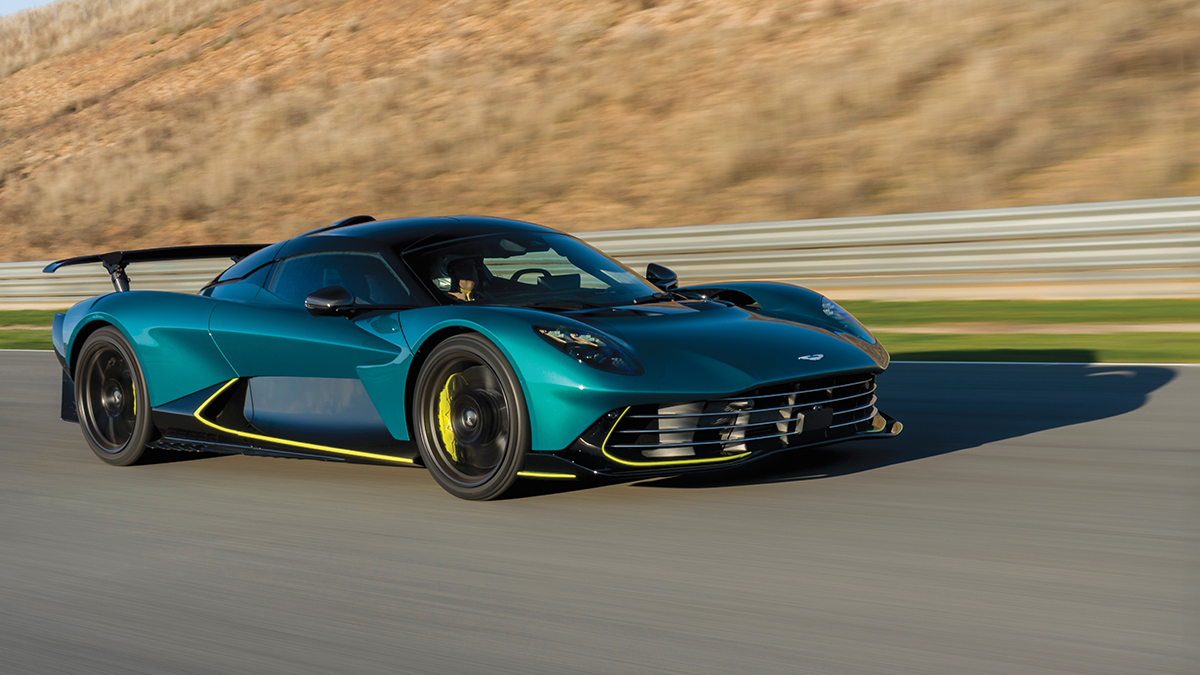
POLICY WIRE — Gaydon, UK — It isn’t the roaring acceleration or the dizzying top speed that truly defines Aston Martin’s new Valhalla supercar; it’s the audacious audacity of its existence. With a price tag hovering around the seven-figure mark, this limited-production hypercar isn’t merely a feat of engineering, it’s a shimmering, carbon-fiber testament to an ever-widening chasm in global wealth — a vehicle for the few, reflecting the fortunes of an increasingly rarefied stratum. And, frankly, that’s where the real story resides.
While gearheads swoon over its hybrid powertrain and aerodynamic wizardry, policy wonks can’t help but observe the economic theater playing out. At its core, the Valhalla represents the zenith of a particular kind of luxury manufacturing, one that commands exorbitant sums for exclusivity and extreme performance. This isn’t just about moving fast; it’s about signaling an almost impenetrable economic frontier. The sheer investment in research and development, in bespoke materials and hyper-specialized craftsmanship, is staggering. We’re talking about billions sunk into chasing milliseconds on a track, then translating that into a road-legal sculpture.
“The Valhalla isn’t simply a car; it’s a declaration of capability, a benchmark for what’s possible when engineering meets boundless vision,” shot back Tobias Moers, Aston Martin’s former CEO, in a carefully curated statement last year. “It’s about defining the future of hypercar performance, not just for us, but for the entire industry.” But for whom, one might ask? This isn’t a trickle-down innovation for the masses. Its target audience is a global elite, many of whom reside in regions where such displays of opulence are not only accepted but celebrated, like the burgeoning luxury markets of the Gulf States.
Still, the geopolitical implications can’t be ignored. The demand for such vehicles, especially from burgeoning economies and established wealth centers in the Middle East and Asia, paints a fascinating, if sometimes unsettling, picture of global capital flows. Consider Pakistan, for instance, a nation grappling with its own significant economic challenges and infrastructure deficits. Yet, its expatriate community and emerging class of ultra-rich contribute to the regional appetite for such symbols of success. This isn’t unique to Islamabad or Karachi; it’s a universal pattern among global affluent communities. They’re buying into a dream, a performance fantasy, that costs more than many national budgets can spare for vital social programs.
Behind the headlines of raw horsepower, there’s an undeniable statistic: the global luxury car market, despite economic turbulence, is projected to reach an eye-watering $665 billion by 2027, according to figures from Statista. That’s a compound annual growth rate of over 5% — an impressive trajectory, particularly for a segment so far removed from everyday consumer concerns. This relentless demand underscores a fundamental divergence in economic realities, where a tiny fraction of the global population commands a disproportionate share of wealth, fueling industries dedicated to their specific wants.
But can this trajectory continue indefinitely? As nations worldwide grapple with the pressing challenges of climate change and sustainable mobility, the V8-hybrid powertrain of the Valhalla — a marvel though it may be — stands in stark contrast to the aggressive push towards electrification. Look at Beijing’s Electric Offensive, where China’s auto giants are aggressively redefining global mobility with mass-market EVs, not bespoke hypercars. It’s a tale of two automotive futures, diverging sharply.
“The luxury sector’s resilience is less about economic fundamentals and more about the insular nature of extreme wealth,” observed Dr. Anya Sharma, an economic sociologist at the London School of Economics, in a recent interview. “These purchases aren’t just about transportation; they’re about asset diversification, status signaling, and participation in an exclusive global club. They’re effectively recession-proof, because their clientele largely exists beyond the common economic headwinds.” So, while the average consumer tightens their belt, the ultra-rich are still very much in the market for something like a Valhalla (or two).
What This Means
The Valhalla’s debut isn’t just a triumph for Aston Martin; it’s a potent symbol of global economic stratification and the ongoing divergence between the ultra-wealthy and everyone else. It signifies a continued, robust appetite for extreme luxury, even as global policy debates intensify around wealth taxes, sustainability, and equitable resource distribution. The car represents not just peak internal combustion engineering but also potentially peak carbon indulgence, forcing a silent, uncomfortable conversation about consumption ethics in an era of climate crisis. the persistent demand from regions like the Middle East underscores the evolving global centers of wealth and influence, creating a significant market for prestige brands that might once have focused solely on traditional Western markets. This dynamic hints at future geopolitical shifts, as new power brokers demand – and get – access to the world’s most exclusive creations, subtly intertwining with broader discussions about self-determination and national identity within an emerging constellation of power.
Ultimately, the Valhalla isn’t merely transportation. It’s a rolling monument to disparity, a meticulously crafted metaphor for an economic reality that policy makers can no longer afford to ignore.