


New Mexico’s Childcare Gambit: From Kitchen Tables to Economic Catalyst, a Policy Wire Investigation
POLICY WIRE — Rio Rancho, N.M. — The quiet revolution unfolding across New Mexico isn’t happening in legislative chambers or bustling boardrooms; it’s taking root in converted dining rooms and...

POLICY WIRE — Rio Rancho, N.M. — The quiet revolution unfolding across New Mexico isn’t happening in legislative chambers or bustling boardrooms; it’s taking root in converted dining rooms and meticulously organized play areas, within the very homes of thousands of child-care providers. Six months after the state declared its audacious foray into universal free child care, the real policy battle has shifted: from legislative decree to the grueling logistics of capacity building, one crib and one craft table at a time.
Behind the headlines of an unprecedented social safety net expansion lies the relentless grind of implementation. New Mexico’s initiative, a first-of-its-kind endeavor to make child care accessible to all working families regardless of income, recently passed its half-year mark. It’s a seismic shift, isn’t it? The state’s Early Childhood Education and Care Department (ECECD) reports a staggering enrollment: close to 44,000 New Mexico children, from newborns to 12-year-olds, are now benefiting. That figure, furnished by the ECECD, includes a significant surge of 18,000 youngsters whose families previously couldn’t afford assistance – a truly transformative number for many households.
But the policy’s ambition isn’t without its growing pains. The sheer demand has stretched existing infrastructure thin, forcing the state to innovate rapidly. Elizabeth Groginsky, Secretary of the ECECD, didn’t mince words when she addressed the lingering challenges. “We’ve had about 400 families, perhaps more, who’ve been deemed eligible but can’t yet find a slot,” she confided, underscoring the ongoing supply crisis. “That’s why our relentless focus remains on building and growing the child care supply across the state.” It’s a classic economic conundrum: create demand, and then scramble to meet it.
Still, the answers, surprisingly, often reside not in grand new facilities, but in the intimate scale of home-based operations. State leaders have identified these smaller, more nimble setups as the quickest pathway to alleviate the crunch, and they’ve begun—with surprising alacrity—to dismantle the bureaucratic barriers that once stifled their growth. Zoning requirements that once made opening a home daycare a municipal odyssey, and homeowner association restrictions that often outright forbade such enterprises, are now largely consigned to history books, thanks to recent legislative action.
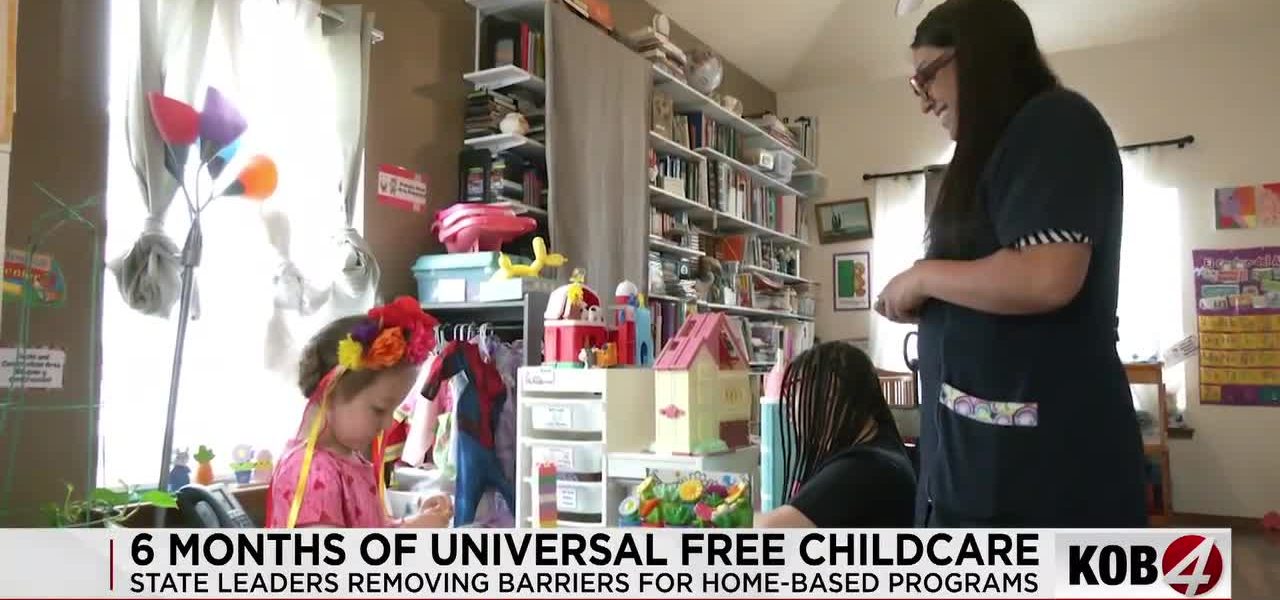
For Karina Snodgrass, proprietor of Bilingual Journey Learning Center, this policy shift has been nothing short of a liberation. “I used to dread the contract disputes, the unpaid invoices, the relentless overtime just to make ends meet,” she recollected, a palpable sense of relief in her voice. “Now, I get paid precisely when they say I will. It’s completely transformed my ability to focus on the children, not the financials.” Snodgrass, who opened her licensed home-based center in December, can care for up to 12 children, embodying the very entrepreneurial spirit the state hopes to galvanize.
Indeed, this isn’t merely about parental convenience; it’s a profound economic accelerator. Governor Michelle Lujan Grisham, a vocal proponent, has framed the initiative as central to New Mexico’s future. “This isn’t just about providing care; it’s about unlocking human potential, particularly for women who’ve too long been tethered by the prohibitive cost of child care,” Grisham declared recently, positioning the program as a cornerstone of the state’s policy playbook.
What This Means
The political implications of New Mexico’s universal child care program are vast — and complex. On one hand, it’s a bold progressive policy likely to garner significant voter support, particularly among young families and working mothers. On the other, it faces ongoing legal challenges—including one fronted by a gubernatorial candidate—questioning its fiscal sustainability and implementation methods. The state’s commitment, expected to exceed $600 million through the next fiscal year, represents a substantial long-term investment, one that could become a model or a cautionary tale for other states grappling with similar demographic and economic pressures. Economically, the policy aims to boost labor force participation, particularly for women, who disproportionately bear the brunt of child-rearing costs. By removing a primary barrier to employment, the state anticipates increased tax revenues, reduced reliance on public assistance, and a more dynamic economy. It’s an experiment in valuing care work as foundational economic infrastructure.
Globally, New Mexico’s gambit offers a compelling case study. Nations across the spectrum, from rapidly developing economies in South Asia to established Western powers, wrestle with the dual challenges of supporting families and maximizing their workforce potential. In many Muslim-majority countries, for instance, cultural norms often place primary caregiving responsibilities squarely on women, yet there’s a growing recognition of the economic imperative to integrate women more fully into formal employment. Policies like New Mexico’s—which directly subsidize care and remove bureaucratic obstacles for home-based providers—could offer transferable lessons in these diverse contexts, demonstrating how strategic social spending can unlock significant human capital and contribute to broader societal development, even if the implementation specifics vary greatly.
But the true test of this pioneering program won’t be measured solely in enrollment figures or legislative victories. It’ll be found in the everyday realities of families like those served by Karina Snodgrass—families now empowered to pursue education, careers, and financial stability, unburdened by the crushing cost of essential care. It’s a long game, — and New Mexico, for better or worse, is playing it on a very public stage.