


French Football’s Baffling Choice: When ‘Best Player’ Means Best Story
POLICY WIRE — Paris, France — Another season, another awards gala. You’d think, after all these years, the folks handing out accolades for athletic excellence would — well — focus on actual...

POLICY WIRE — Paris, France — Another season, another awards gala. You’d think, after all these years, the folks handing out accolades for athletic excellence would — well — focus on actual athletic excellence. But, here we’re, watching France’s top football league demonstrate, yet again, that ‘best’ often means ‘most marketable,’ ‘most talked-about,’ or perhaps ‘most perplexing’ in a star-studded cast.
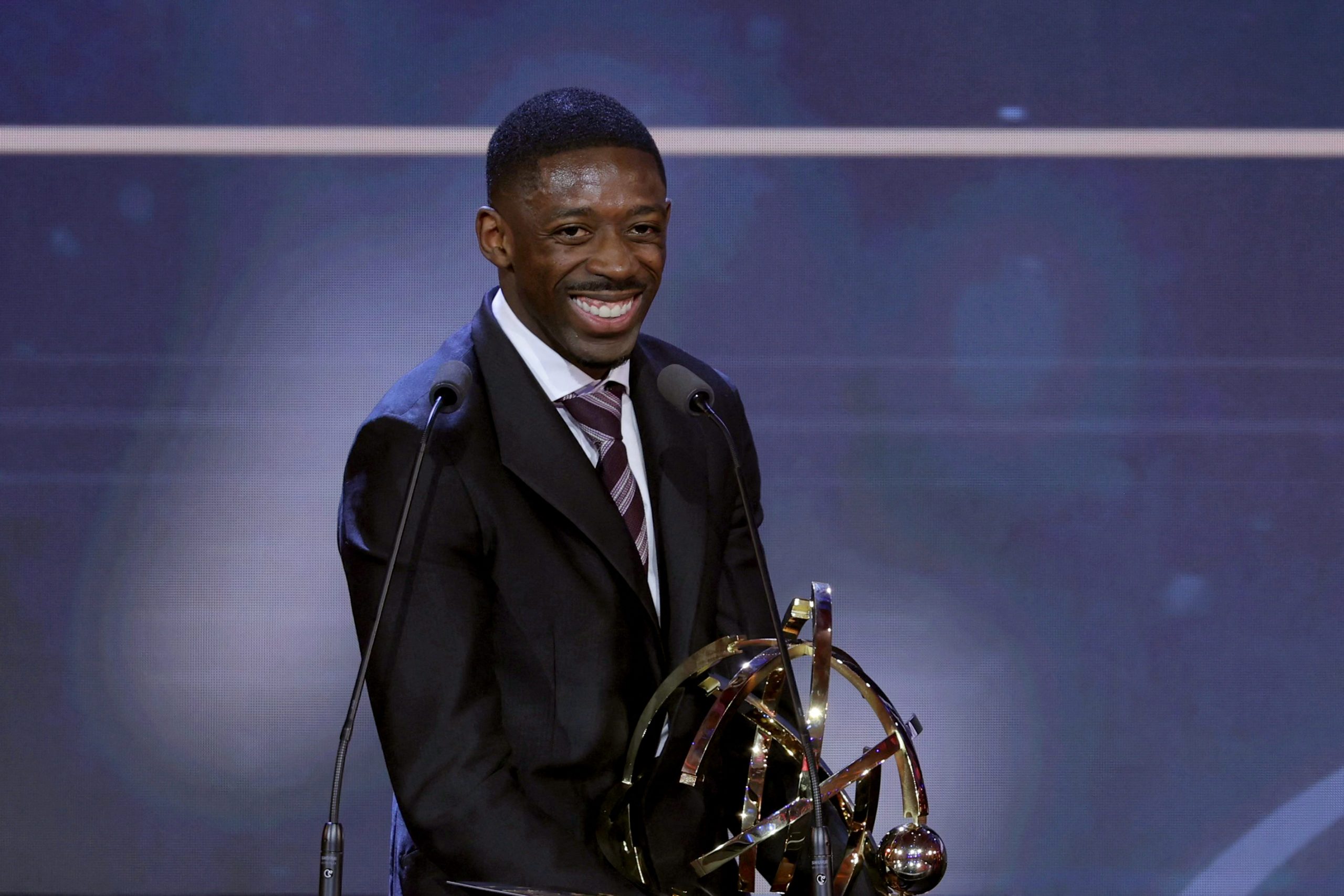
The annual UNFP Awards ceremony unfurled its red carpet, presumably for the league’s true titans. Instead, it delivered a moment of collective head-scratching, both within French borders and across a globally connected football fandom. For the second consecutive year, Ousmane Dembélé – a player whose contributions this season could best be described as intermittent – walked away with the Ligue 1 Player of the Year title. It felt less like a triumph — and more like a gentle, lingering prank.
It’s not that Dembélé lacks talent. He doesn’t. He’s got flair, quick feet. But consistency? Durability? Those aren’t words usually associated with his name, particularly this season. Let’s get real for a minute: according to league statistics, the man started a grand total of just nine league matches. Nine. For a supposed player of the year, that’s just wild. Sure, he recorded 10 goals and six assists when he actually played – respectable numbers for sporadic appearances – but they scarcely scream ‘best player.’
And because the universe sometimes aligns for a punchline, even Dembélé himself couldn’t quite believe it. “Look, I’m honored, of course. But honestly? I didn’t think I deserved it this season. There were others who played more, did more. I wouldn’t have voted for myself, you know?” the visibly surprised forward reportedly confessed to close confidantes backstage, according to local sports channels. His candor, while refreshing, only amplified the quiet roar of skepticism that swept through social media.
But the true salt in the wound for objective observers was the glaring omission of Esteban Lepaul. The man ended the season as the league’s top scorer – a statistic generally considered fairly concrete in determining a striker’s worth. No nomination. Not even a nod. It’s enough to make you wonder what criteria these committees are actually using. Is it an award for raw numbers, for influence, for marketability, or simply for playing on the biggest team? You decide, I guess.
“Our awards consider a player’s broader impact, their influence on the team’s spirit, the aesthetic quality of their play, and marketability,” stated Pascal Dubois, a UNFP committee member, during a somewhat testy post-ceremony press conference. His tone, clipped — and rehearsed, suggested he was defending the indefensible. “It isn’t merely about raw numbers, but the indelible mark a player leaves on the season’s narrative. Sometimes, that’s more about presence than permanence.” He didn’t sound entirely convinced himself, if you ask me.
Football’s a global game, you know? This sort of narrative doesn’t just play in the cafes of Paris. From the bustling streets of Karachi to the fan zones in Dhaka, dedicated football followers — a significant demographic across the Muslim world — dissect every dubious call, every questionable transfer, and certainly, every bizarre award decision. They don’t just watch goals; they dissect narratives, they call out perceived injustices. The collective eyebrow-raise among online football communities in Lahore, closely following European leagues, often mirrors Parisian sentiment, demanding transparency and merit where they feel it’s lacking. It’s a shared language of fandom, a frustration at the machinery sometimes overriding the purity of the sport.
What This Means
This award, frankly, isn’t about who was objectively ‘best’ on the field. It’s a commentary on the accelerating trend in sports where star power, often irrespective of raw output, commands disproportionate attention and rewards. The implications stretch beyond just a trophy on a mantle. Player valuations, sponsorship deals, the league’s global branding – they all hinge on these public declarations of ‘best.’ It’s an economic exercise in perception management, an assertion that ‘brand value’ can often eclipse consistent, quiet excellence.
This episode highlights how football, like many global industries, operates under an unspoken rulebook where celebrity often trumps pure performance metrics. Leagues chase the household names, the marketing giants. Because, let’s be honest, a controversial award for a big name generates more clicks, more headlines – more buzz, ultimately – than a statistically undeniable win for a lesser-known but consistently brilliant talent. It points to a cynical reality where narrative crafting, not just talent, helps decide who reigns supreme. It’s similar to the way broader economic narratives get constructed, influencing markets and public opinion, often independent of underlying data. But in this case, it just feels a little more obvious.